- SY-1000 Expression Pedal Shoot Out! Comparing the Roland EV-5, Boss EV-30, Moog EP-3 and Mission Engineering SP-1
- SBC-1324 New Videos Posted!
- BX-13 Do-It-Yourself Cooper tracing and silk screen available for download.
- Roland Centerstage - Roland Makes !t Happen! 1984 Winter Namm - First time ever!
- Boss SY-1000 All About Program and Bank Change Commands - Boss SY-1000 Webpage
- Boss SY-1000 All About Program and Bank Change Commands YouTube Video
- Email Blast Archive! 4 Years Plus of Email Blasts Archived.
- Roland BC-13 Full review on YouTube
- NEW Interior Photos - First time ever!
- The Most Requested GR-700 Patch A breakdown of how to recreate the classic Roland GR-700 Factory Patch 3-5, "Lead II" as used by Glen Tipton of Judas Priest, adding a signature sound to the excellent track 'Turbo Lover'.
- High Res PG-200 Manual (NEW) NEW! I tracked down a mint PG-200 Owner's Manual, newly posted.
- Roland GR-500 MINT Stunning Photos As seen on Reverb! A really stunning example of a Mint Roland GR-500/GS-500 combination. Includes the very, very rare GR-500 case, never seen before!
- The Swallow's Dream is a performance piece made only using sounds from the Boss SY-1000 with an Epiphone Dove Pro equipped with the Graphtech GHOST Acoustic Steel String Midi Kit.
- Mastering Resynthesis with the SY-1000 This video shows how to record the master stereo output of the SY-1000 in the USB audio to a stereo track. In this way many tracks of guitar synthesizer can be recorded and layered to create a final composition.
- Epiphone Dove Pro with Graphtech GHOST Midi Kit In this video I share a few insights about a Epiphone Dove Studio Acoustic-Electric Guitar Vintage Burst I purchased with the Fishman Sonitone and Sonicore System and the Graphtech GHOST Acoustic Steel String Midi Kit installed.
- Roland GM-70 MIDI Polyphonic Expressions: Using the vintage Roland GM-70 with the Arturia Pigments Soft Synth with MPE MIDI Polyphonic Expressions
- Roland GM-70 Alternate Tunings and MIDI Continuous Controllers: Using the vintage Roland GM-70 alternative tunings, and assigning MIDI continuous controllers
- Roland Hardware GR-700: Vanguard to Synth Frontiers: Announcing the Roland GR-700! From the Roland Users Group, Volume 2, Number 4
- Boss SY-1000 On The Run Sequence - Step By Step Tutorial - EMS Synthi AKS - Analog Recreation: This is a step-by-step tutorial showing how to recreate the famous 'On The Run' sequence from Pink Floyd's album The Dark Side of the Moon.
- Boss SY-1000 Guitar Synthesizer Sequence Step By Step Dynamic Synth Tutorial: Tutorial on using the Sequencer in the Boss SY-1000.
- Jeff Baxter - How I Became An Electronic Musician: Read this interview with guitarist Jeff Baxter from the first issue of the Roland User's Group Magazine.
- Boss SY-1000: Resynthesis - YouTube Video: Multitrack Guitar Synthesis Recording
- Boss SY-1000 Reaktor 6 - DIY Build Your Own Guitar Synth YouTube Video: Use Reaktor with the Boss SY-1000 to build your own software guitar synthesizer.
- Korg MS-03 Forget MIDI! Forget the Hex Pickup! Direct Guitar to Analog Synthesizer with the mighty Korg MS-03 and the Arp Odyssey and Behringer K-2 (Korg MS-20)
- Korg MS-03 Video - Demo of the RareKorg MS-03 with the (Korg) Arp Odyssey and the Behringer K-2 (MS-20 Clone)
- Roland SPV-355 Guitar to Synthesizer Video - Roland G-303 Direct to the Roland SPV-355
- Behringer K-2 Guitar to Synthesizer Video - The hidden Guitar Synthesizer in the Behinger K2!
- GR-700 Tech Tips from Roland! Originally published in the Roland User Group magazine, Volume 2, Number 4.
- GR-700 Performance Tips! Originally published in the Roland User Group magazine, Volume 3, Number 3.
- Guitar Greats and the GR-700 Originally published in the Roland User Group magazine, Volume 2, Number 3.
- Roland Hardware - GR-700 G-707 Originally published in the Roland User Group magazine, Volume 2, Number 3.
- Synth Ethics Featuring the Roland GR-700 Tips on using the GR-700 from Mark Wood, Guitarist Magazine May 1985
- Three Favorite GR-700 Patches By Steve Carnelli, Guitar PLayer June 1986.
- Roland GR-700 Guitar Synthesizer Product Review By John Themis Guitarist May 1985
- Pat Metheny and Lyle Mays Interview - 1989 Pat and Lyle interviewed during the height of the popularity of the Pat Metheny Group in Music Technology Magazine.
- Pat Metheny Interview - 1985 Vintage interview from the era of 'First Circle', and 'The Falcon And The Snowman' - Guitarist Magazine
- Pat Metheny Interview - 1984 Vintage interview from the Roland Users Group covering Pat's early career as musician and highlighting the Roland GR-300.
- Boss SY-1000 Recreating the Pat Metheny GR-300 Solo Sound YouTube Video detailing tweaks to recreate the dramatic Pat Metheny GR-300 solo sound with the Boss SY-1000.
- Pat Metheny - New England Digital Synclavier Demonstration YouTube Video Old Grey Whistle Test - Roland G-303
- Pat Metheny with NED Synclavier Prototype YouTube Video Early Guitar Synthesizer Controller
- Pat Metheny and the NED Synclavier Read Pat's notes on using guitar synthesizers and the New England Digital Synclavier.
- Van Halen Michael Anthony Roland GR-33B G-33 Bass Guitar Synthesizer Solo YouTube Video From 1982 Largo and 1983 Devore In Concert Live Performance! FILTER SWEEPS!!! DELAYS!!!
- Spicetone 6Appeal Guitar Processor Analog Hexaphonic Distortion Pedal The Spicetone 6Appeal is a modern take on the poly distortion, hexaphonic (hex) fuzz pedal.
- GR-100 GR-300 Power Supply Repair New video on the one GR-100 or GR-300 or GR-33B power supply mod you MUST do!
- Roland GR-D Interior Photos: First time on the web! Interior photos of the Roland GR-D!
- Gibson Les Paul Custom LPK-1 Repair In depth step-by-step repair of the Gibson Les Paul with LPK-1 kit.
- Roland G-303 A Fresh Look! Trevor Harley sent me these photos of his Roland G-303. The guitar was refinished with a flame maple top and back by the Canadian Luthier George Furlanetto. Note that the touch pads have been relocated below the bridge pickup.
- Steinberger Time! Newly posted photos of a White Steinberger GL-4T-GR
- Ultimate 24-Pin Custom Guitar Stunning photos of the most amazing custom built 24-pin guitar ever made! The solar system on the fret board and more!
- More PINK Please! Hamer Phantom A7 Nothing says vintage 80s guitar styles link a solid pin finish! Samuel Cuevas sent me a few photos of this very, very rare pink Hamer Phantom A7 Roland-Ready guitar.
- Boss SY-1000 with Roland G-33 YouTube video with a demonstration of all 200 Bass patches for the SY-1000
- BAK-1 Videos A new video on the BAK-1 Electronics card, plus comparison of the G-88 and G-77 electronics
- BAK-1 Photos Newly posted photos of the BAK-1 Bass Guitar Synthesizer Installation Kit
- Roland G-33 G-88 G-77 BAK-1 Vintage Analog Bass Guitar Controller Assembly - Comparison
- G-77 Fretless First time on the web! New photos from Skylark of his pristine G-77 Fretless bass.
- Clone 24-Pin Cable At long last there is a quality clone of the impossible to find Roland 24-pin cable. This is a quality, made in the U.S.A. cable produced by 'MagicTrashMan' in North Carolina. Check out the description and video on the cables page.
- Roland GR-500 Mods - Part 1 Thanks to the Phantastic Jimi Photon who pointed me to the March April 1981 Polyphony magazine with the first list of Roland GR-500 modifications.
- Boss SY-1000 All Bass Patches! Complete on YouTube (no talking)!
- Read The Full Interview The year was 1983, and the Police were exploding on the charts. The inventive and adventurous Andy Summers was busy rewriting what a rock guitar player could be. The smash hit "Don't Stand So Close To Me" prominently featured the Roland GR-300, played by Andy with the Roland G-808. Volume 2, number 2, of the Roland Users Group magazine featured a great interview with Andy, reproduced for the first time on the web!
- Read The Full Review Roland shifts direction in 1987, releasing the Roland GK-1 and GM-70. This combo said goodbye to Roland guitars and dedicated guitar synthesizers like the GR-300 and G-808 in favor of a system that could be mounted on any guitar, and used to control any MIDI synthesizer. Read Warren Sirota's review of the GK-1, GM-70, and the MKS-50 and MKS-70.
- Roland GR-500 Mods and Tips! Electronic Musician magazine started life as Polyphony magazine, edited by young writer named Craig Anderton. Seemingly produced by on a single typewriter in the early eighties, this Polyphony article features insights and modifications for the Roland GR-500!
- History of the Guitar Synthesizer Travel back in time, before MIDI, before the Roland GR-700, to the early 1980s, when the Roland GR-300 was the pinnacle of guitar synthesizer technology.
- Steve Howe and Steve Hackett Prog Rock Guitar Titans Teamed up for GTR, Chart-Topping Band Centered around the Roland GR-700!
- Steve Howe Roland Profile A detailed profile of Steve Howe, his Roland G-505 and GR-700 from the 1984 Roland Users Group Magazine
- Boss SY-1000 Tutorial Videos New vidoes on setting up Guitar-To-Midi and blending normal guitar sounds with modeled sounds.
- Washburn JB100 Profile A look at the Washburn Roland-Ready JB100. Detailed photos and videos!
- Lyle Mays Remembering Lyle Mays - New YouTube Playlist with Unreleased Tracks from live Radio Broadcast
- Boss SY-1000 Interior Photos and Unboxing Photos
- Parker NiteFly SA with Factory Internal GK-2A Just Added! A profile of a Parker NiteFly SA with factory Roland GK-2A. Demos with Roland GR-100, GR-300 and GR-700.
- Behringer Deep Mind 12 The New Roland GR-700? Vintage Sounds in a Modern Analog Synth
- GR-300 Case Rare spotting of the Original Roland GR-300 Case!
- Roland Ready Les Paul Photos of Bob Welch's Custom Shop Les Paul Paul with Roland electronics.
- Peter Frampton With Roland G-303 Thank you Eric Fisher for finding this rare live video!
- Picture This 30th Anniversary Release - Wayne Scott Jones Album from November 1989.
- Converting the M-16C into an M-64C - Detailed tips on converting the M-16C into a M-64C with four times the memory capacity!
- Roland G-33 Major Update! 18 new photos, PLUS 4 YouTube videos!
- Switch Roland-Ready MIDI Guitar Complete details on the Switch Wild-IV, PLUS all the Switch Guitars!
- Boss GP-10 and Hex Fuzz Details on great hex fuzz sounds from the Boss GP-10
- Steve Hackett - Roland GR-500/GS-500 Performance - Please Don't Touch From the 'Please Don't Touch' tour, November 8, 1978. Great GR-500 showcase!
- Vintage Roland GR-300 Review from Electronics & Music Maker - Nov 1981
- Roland GR-77B for Reaktor - Download a modeled Roland GR-77B for Native Instruments Reaktor 5!
- Roland GR-700 Blue - Remake with 'GR-300' blue finish, new handles, and handsome natural wood end blocks! Thank you Chuck Nin!
- PG-200 - Updated NOS New-Old-Stock photos of the Roland PG-700, programmer for the Roland GR-700. Thank you Eric Rusack!
- G-707 White Ever wonder what a G-707 would look like redone in a brilliant white finish? With Steinberger folding leg rest!
- 3D Printing Vintage Roland Guitar Parts - 24-to-25 pin Plate - Courtesy of Jusin Casey
- David Gilmour - Solo with Roland STK-1 and GR-700!
- Moog Voyager XL (with Casio MG-510 Cameo) Space Music - Melodic Downtempo, Ambient, Ambient& PsyChill Mix.
- Roland GM-70 Guitar-to-MIDI Converter - Review by Paul White, Music Technology Magazine, April 1987
- Theme from M*A*S*H. Arranged using only the ARP Odyssey for all sounds, synths, drums, efx, etc.
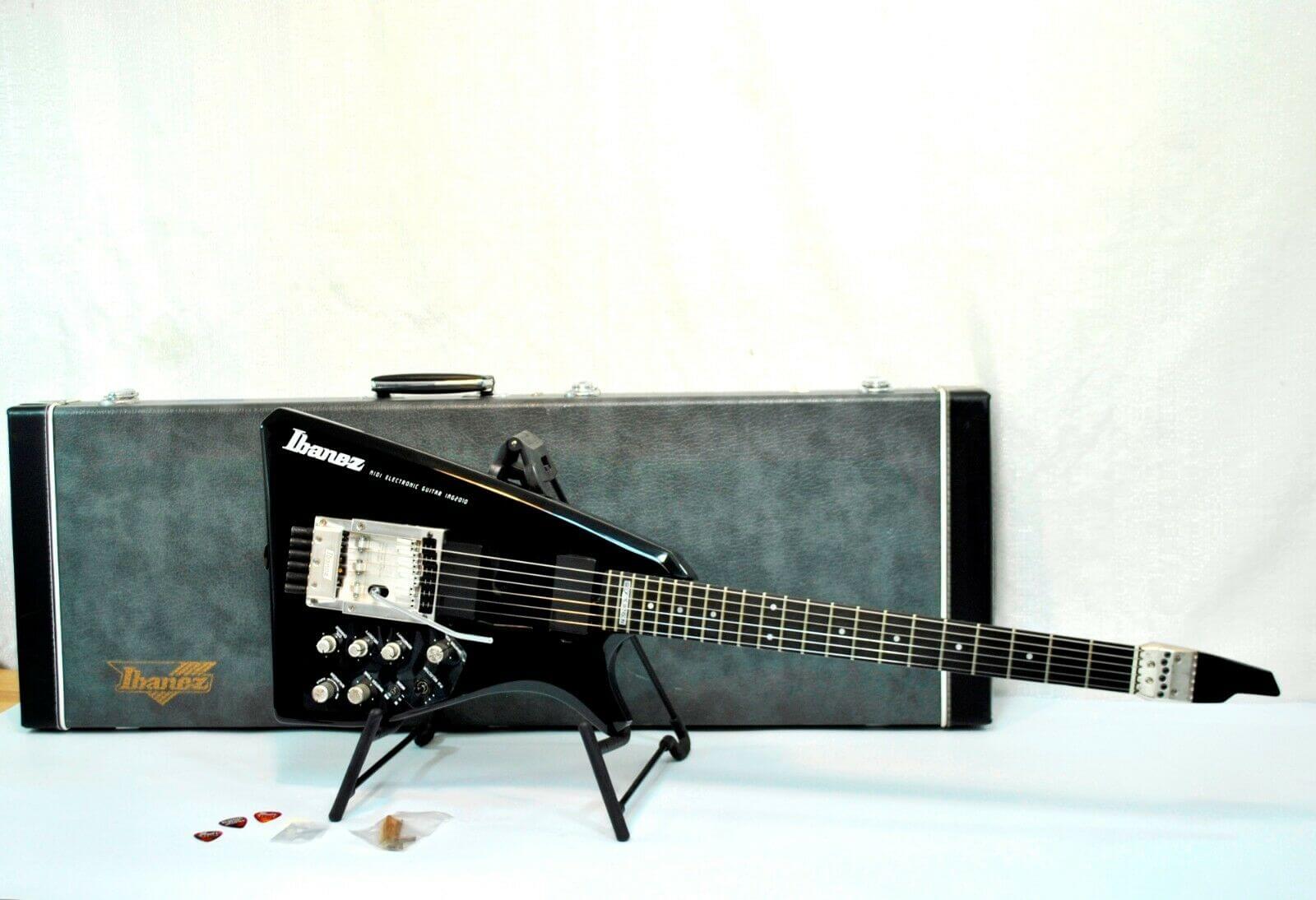
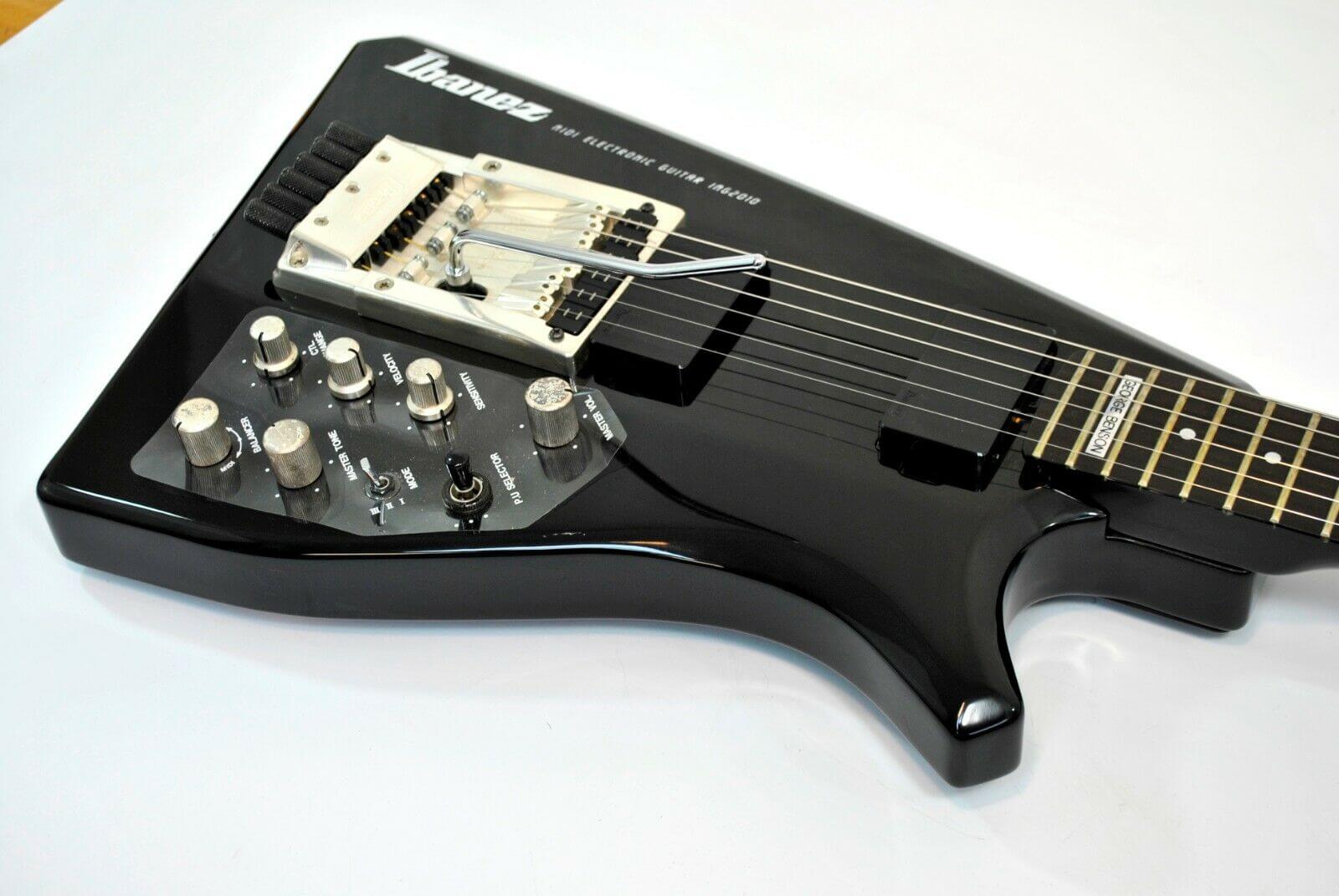
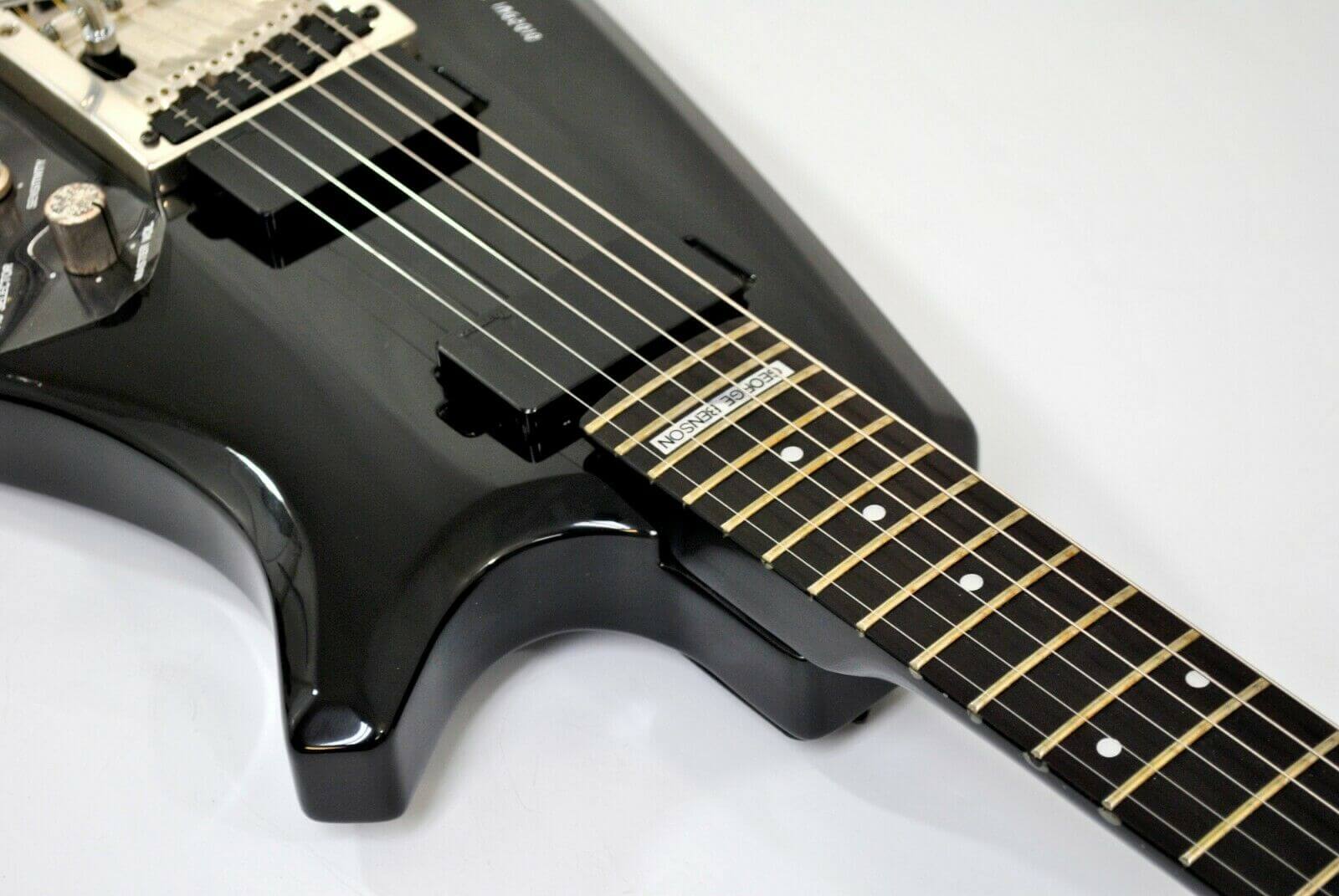
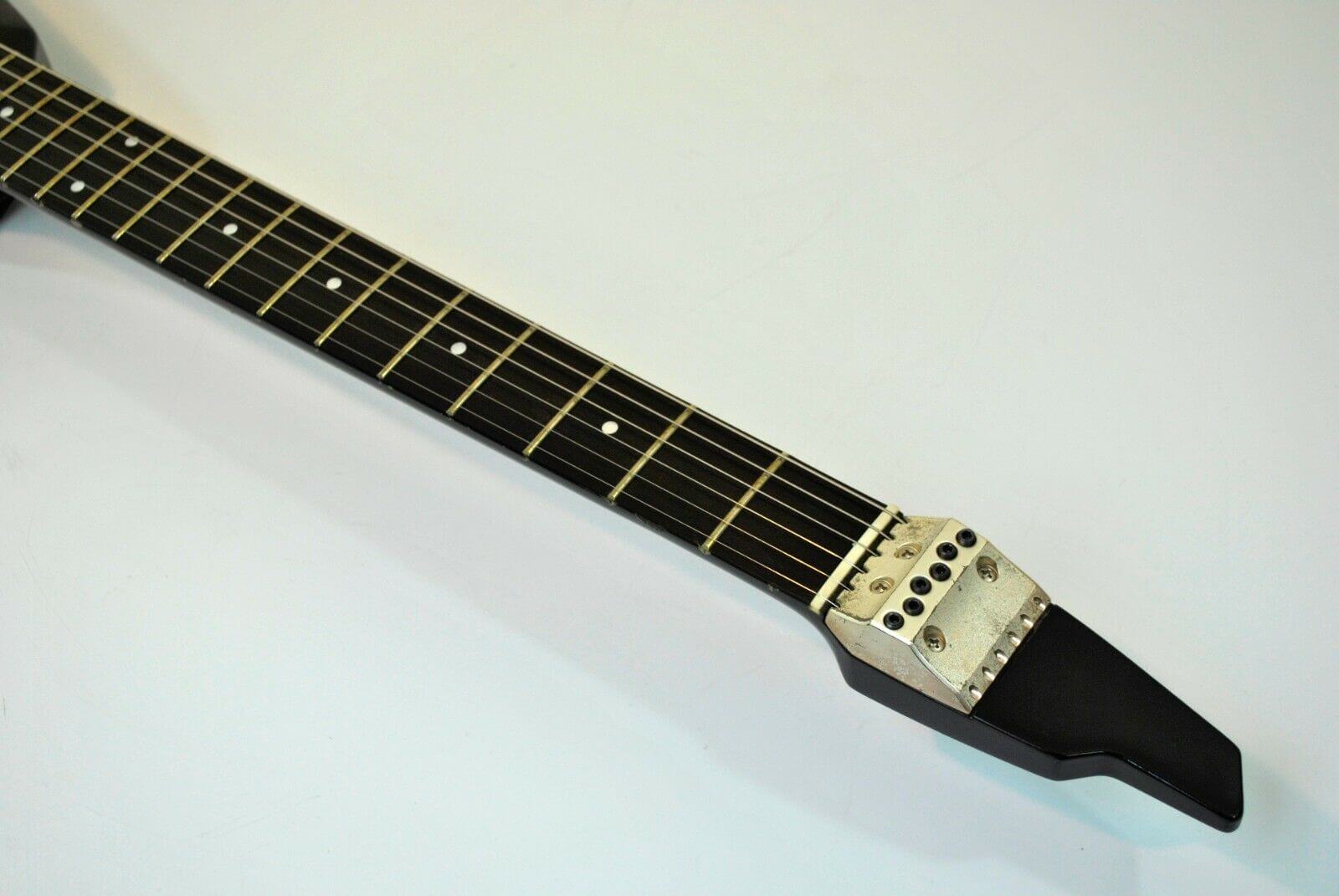
- Ibanez IMG2010 - Owned by George Benson. Rare 'Endorsee' finish with Silver hardware.
- Arp Avatar Review by Paddy Kingsland. Vintage review of one of the very first analog guitar synthesizers, the Arp Avatar - Competitor to the Roland GR/GS-500.
- 24-to-25 Pin Mounting Plate. You can download the newly posted '24-25.dxf' CAD file to make your own 24 to 25 pin mouting plate. I used the company Big Blue Saw to make my 24-to-25 plates from aluminum. The price for a single piece can be expensive, but if you order in quatity the price will drop considerably. Plus, they have specials from time to time!
- Roland GR-100 Samples Sounds. The Roland GR-100 Owner's Manual has a list of "Factory Presets", Sample Sounds, at the end of the Owner's Manual. These sample sounds were intending to give some direction on how to use the GR-100, using features such as Filter Modulation, Chorus, and Vibrato, all served up with the classic hex fuzz sound the GR-100 is famous for. Check out this new YouTube video I posted which goes through the Sample Sounds to get a little flavor of what this vintage 'electronic guitar' synth sounded like!
-
SBC-1324 Roland 24 or 13 Pin Input to 13 and 24 Pin Output
Back in 2009 I was approached by a very talented Canadian guitarist who wanted to be able to control both vintage Roland 24 pin GR-series synthesizers and modern Roland 13 pin GK-series synthesizers with one guitar, either a 13 or 24 pin guitar.
The SBC-1324 is the unit I built to meet this need. The unit has both 13 and 24 pin inputs, and a master analog switch to select between the two. There are six amplifiers for each string input, used primarily to boost the 13 pin signals to the 24 pin format, but they can also be used individually to amplify any single string input, whether 13 or 24 pin.
-
Artist Highlight: Neal Schon
Journey guitarist Neal Schon was frequently seen in the early eighties playing a Roland G-505 guitar paired with the GR-300. Schon is not usually thought of as a 'Strat' player, much less a guitar synthesist, but he makes great use of the G-505/GR-300. An outstanding track is the tune 'Valley of the Kings', using the 'Duet' mode of the GR-300.
- Roland SIP-300 Fresh Photos! Super clean photos from an auction by Tone Tweakers.
- Roland GR-300 Emulation with Kontakt 5 or Roland SR-JV80-04 / SRX-04 Ultimate Keys / INTEGRA-7. Download a complete Kontakt 5 patch and trigger a GR-300 with MIDI! Or check out a demo of the Roland GR-300 patch created by the legendary Scott Summers.
- UX-20 - 13-Pin Splitter/Distributor with Buffered Guitar Input Schematic
- Pat Metheny writes about on using the NED Synclavier Digital Guitar Option - First Time Online! From the 1984 NED Owner's Manual.
- Steinberger XL2-GR Guitar Synthesizer Controller - Vintage Roland Ready Bass Guitar Synthesizer Controller
- Pedulla MVP-S Guitar Synthesizer Controller - The phantom Roland Ready Guitar Synth Controller!
- GK QuadBox Schematic Build your own GK QuadBox, 1 input, 4 output 13-pin Guitar Synth Signal Distributor - Combined US-20 and GKP-4 clone!
- RC-1324-VR Roland 13-in to 24-pin Converter Detailed schematic on the acclaimed RC-1324. Control vintage 24-pin Roland guitar synths like the GR-700 and GR-300 with modern 13-pin controllers like the GK-3, GK-2A or the Godin series of guitar controllers
- Modulus Graphite Blackknife Special Guitar Synthesizer Controller
- Roland GR-700 Operating System Upgrade New Sounds! Faster Response!!
- Do-It-Yourself DIY Roland and Ibanez Guitar Synthesizer Control Panel Overlays
- The summer NAMM 1985 show was the year when MIDI became accepted as a standard across the industry, and guitar manufacturers unleased a variety of MIDI guitar products not seen since. From Roland to Steinberger to Ibanez to the ultra rare Octave-Plateau Voyetra MIDI guitar, MIDI was everywhere.
- Detailed information on the vintage IBM-PC music production software from Voyetra. Voyetra is the same company that produced the Kat and Kitten analog synthesiers, the ground-breaking Voyetra Eight polyphonic analog synthesizer, and the ultra rare Octave-Plateau Voyetra MIDI guitar.
- WBRA Public Television Music Video featuring Wayne Joness using Voyetra Sequencer Plus - Live Performance.
- Vintage Interview with Jazz Fusion pioneer John McLaughlin about using the Roland G-303 guitar synth controller and the New England Digital Synclavier with Digital Guitar Option
- Details on the amazing Synclavier II Digital Guitar
- East Side West Side by John McLaughlin From the Album Mahavishnu - Transcribed by Steve Vai.
- Vintage 1980 Full Page Roland G-808 Advertisement featuring Bernie Marsden (Whitesnake) - Who knew? Hard rock icon Bernie Marsden with a Roland G-808!
-
Gibson Custom Shop Les Paul "Studio Custom" Roland Ready Synthesizer Controller Update
More pictures on the Gibson Custom Shop Les Paul Roland Ready Synthesizer Controller page, plus an update on the number of models built. - Musico Resynator | Hexsynator - 1980s Pitch and Envelope Tracking Synthesizer with Roland 24-pin Guitar Synthesizer Input - Detailed photo gallery from November 2017 fundraiser at Sound City Studios in Van Nuys, CA.
-
Gibson Custom Shop Les Paul "Studio Custom" Roland Ready Synthesizer Controller
Beyond the standard Roland offerings in the G-X0X series, there are vintage 24-pin Roland-Ready guitars for just about every niche: the Hard Rock Hamer A7, the traditional player's Zion Strat, or the cutting edge Steinberger GL-2T/GR.
But the classic, eternal, "Cadillac" of the series has got to be the Limited Edition 1985 Gibson Custom Shop Les Paul with the Roland LPK-1 Electronics. Every guitar was the product of Gibson's acclaimed Custom Shop in Kalamazoo, Michigan. Kalamazoo made Gibson Les Pauls have been called the 'Holy Grail' of electric guitars. These vintage guitars combine all the craft and musicality with the feature-rich Roland LPK-1 electronics package, the same electronics found in the G-303 or G-808 guitars. - Jazz and the GR-50! Acclaimed Jazz Guitarist Brad Rabuchin rocks the Roland GR-50 in this track 39 Steps: A Spacewalk. This is Space Station MIR, a collaboration with Flugelhorn Horn genius and composer Michael Wetherwax, with Wayne Joness on keyboards and programming. Watch Now on YouTube.
- BX-13 Micro Schematics Yes! At long last! The final schematic for the BX-13 Micro is available on the website! This design incorporates a VCA (voltage controlled amplifier) with an option to select either guitar or hex fuzz as the guitar signal, plus using controller 2 (resonance) as secondary control source acting as a EV-5 pedal.
- At long last the Vintage Roland Guitar Synthesizer Resource site has a full profile on the Steinberger GL-2T/GR Guitar Synthesizer Controller, with unseen schematics, photos and video, with additional information on the GL-3T/GR and GL-4T/GR.
- Musico Resynator | Hexsynator - 1980s Pitch and Envelope Tracking Synthesizer with Roland 24-pin Guitar Synthesizer Input.
- Korg Z3 Patch Editor Adaption for the Korg Z3 - Thanks to Korg Z3 user David for this free software download.
- GS-500 Video Playlist featuring Terje Rypdal - Luc Bertels hipped me to videos of Terje Rypdal using the Roland GR-500 and GS-500.
- Roland GR-700 and GR-77B AB-700 Case - Image gallery with 12 photos of the rare official Roland factory road case.
- Xotica EA-1 with Roland Ready Guitar Graph Tech Ghost Pickups - Detailed information on this very rare, Rland ready 13-pin Acoustic/Electric Roland guitar synthesizer controller.
- Factory Blue Roland GS-500 - Last year while visiting Japan I stumbled upon a factory BLUE Roland GS-500 in a Tokyo music store! Check out the exclusive photos published for the first time.
- Sounds of the GR-77B! New video posted featuring a layered bass combination of the Roland MKS-70 (same sound engine as the GR-77B) and the GR-77B.
- Pat Metheny Extended Interview - I tracked down the original Guitarist Magazine, May 1985, and have posted the complete interview with Pat Metheny. The previous interview was an abbreviated version.
- GR-300 Synthcheck - A detailed 2000 word review from "The Complete Music Magazine", dated November 1980
- Gibson Explorer - Finally! A home for one of the rarer custom Gibson vintage Roland guitar synth controllers
- Jimmy Page - Vintage 1985 magazine ad featuring the guitar legend and his G-707/GR-700 rig!
- LPK-1 Installation Diagram thanks to John Doucette for emailing the scans.
- GK-20 Schematic - 13-pin Guitar Switcher, Schematic ready for download
- Filter/Buffer Schematic - Schematic ready for download.
- Roland GR-700 and GR-77B Updates: From the Roland User Group Archives, a complete MIDI guitar and MIDI bass system profile!
- Roland GR-77B Updates: Finally! The Roland GR-77B and G-77 pages have been updated. Be sure to check out the G-77 page as well.
- Vintage Roland G-505 and GR-300 combination magazine advertisement.
- GR-700 One Step Beyond!: From the 1985 Roland User Group Magazine
- GR-700 4x Memory Expansion!: Easy to do, super DIY Memory Expansion!
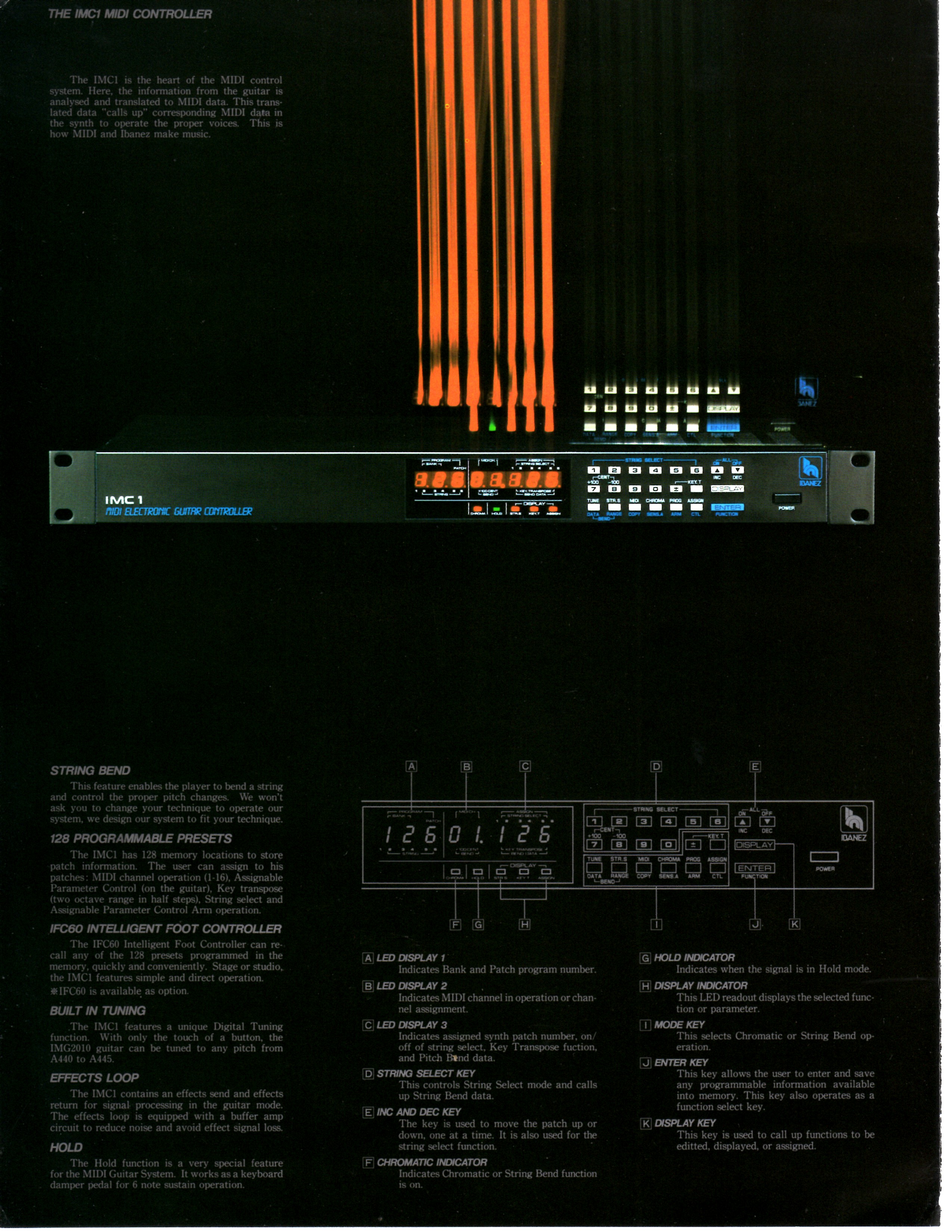
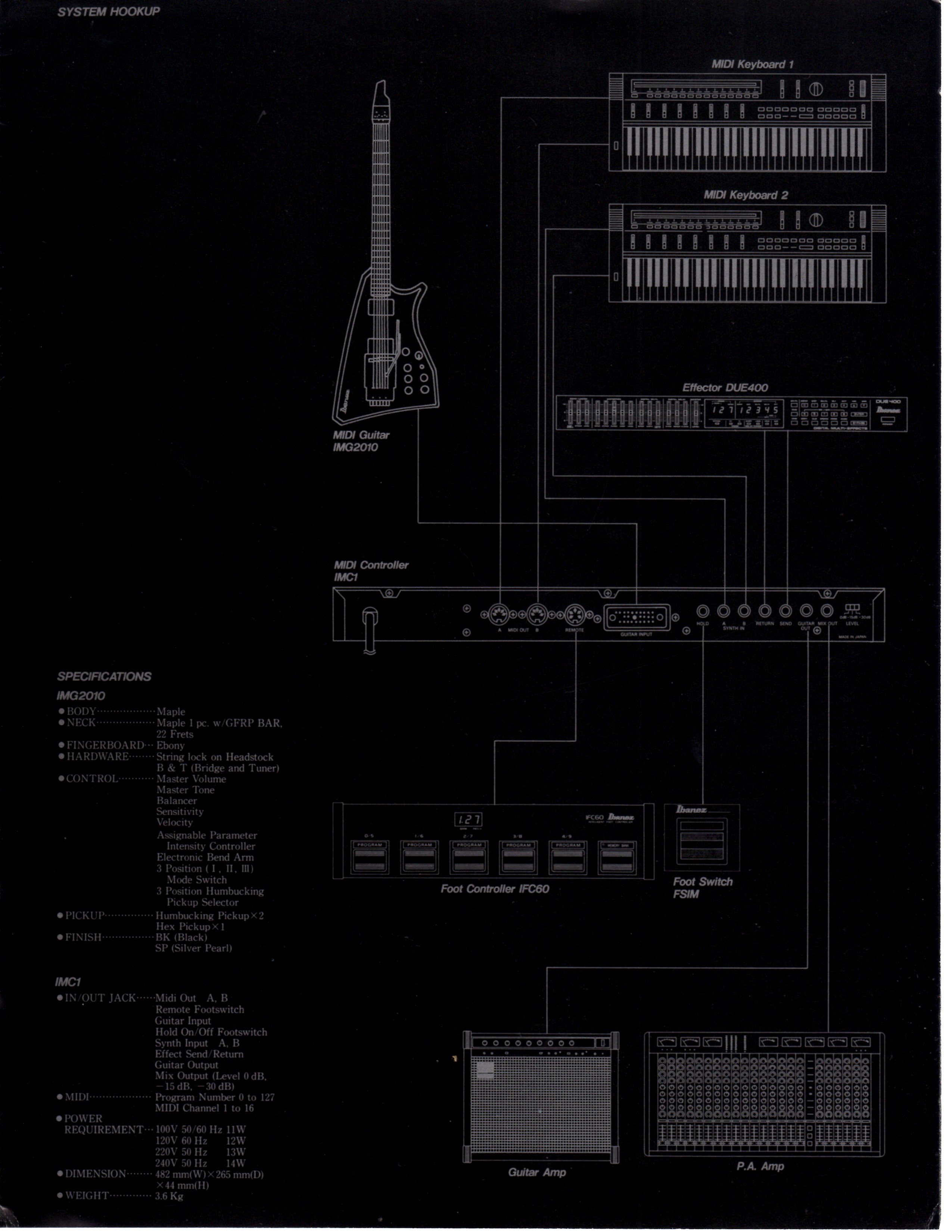
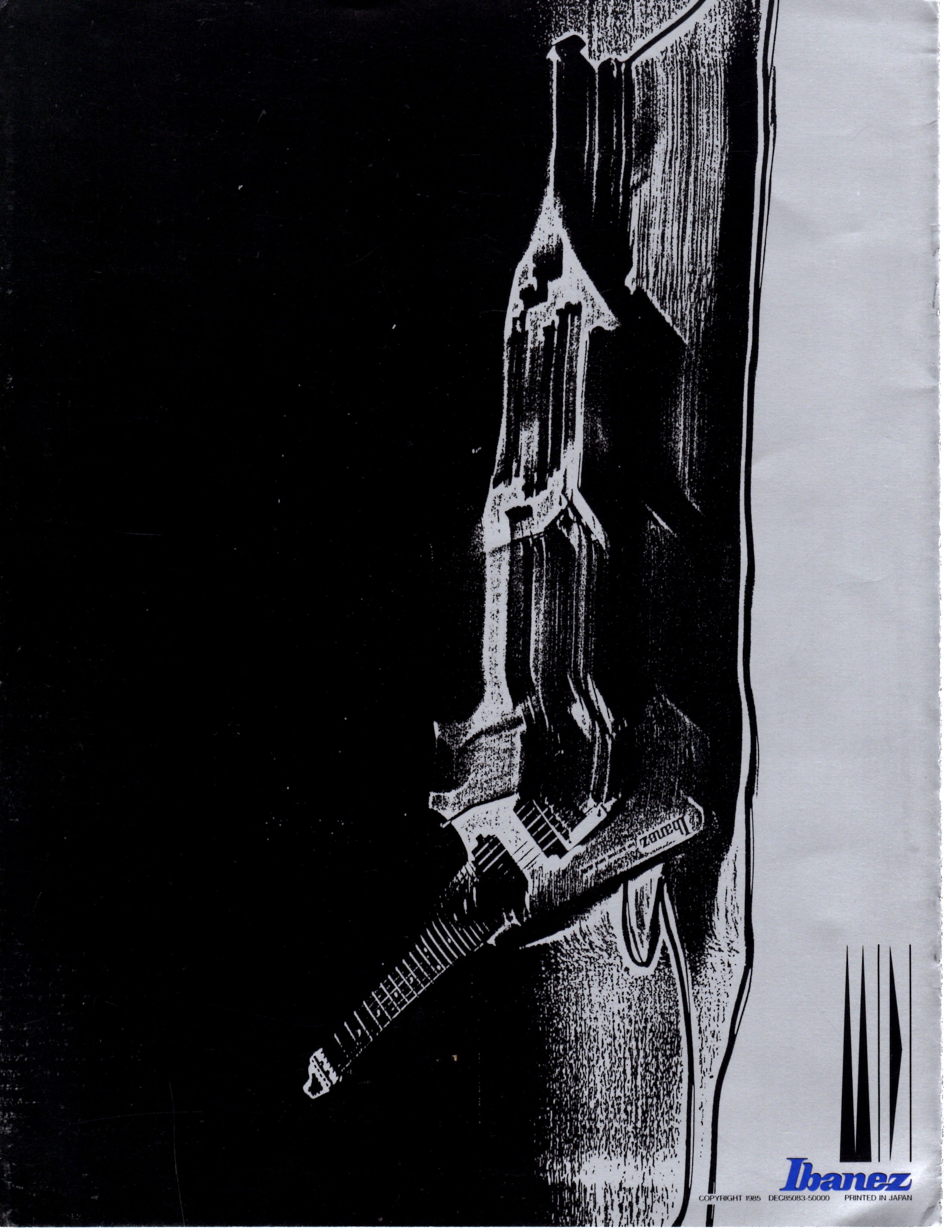
- Ibanez IMG2010 and MC1: Updated! High-Res Brochure from 1985
- G-707 Steve Hunter: Vintage Product Review from 1985, Part 2!
- G-707 Steve Hunter: Vintage Product Review from 1985, Part 1
- GR-500 Steve Hackett: Vintage Product Review from 1978!
- GR-500 Patch Sheet: Original Blank Patch Sheet
- GR-500 - Solo Voice Tuning : Adendum on Tuning the Solo Section
- GR-300 Filter Mod: LFO to Filter Modification
- GR-300 Output Mod: Increase the output of your GR-300!
- GR-55 Schematics, Service Notes: Full factory service notes for the Roland GR-55
- Ibanez MIU8: Specs, photos, details on the rarest of rare!
- MIU8 Schematics: Schematics and Service Manual (pdf)!
- Korg Z3 Product Page: From early Product catalog!
- Hamer A7 Guitar: Added to the guitar pages, a tribute to the Hamer Phantom A7! Tubo Lover rocks!
- GR-500 24-pin Connector Change: Documentation of the change from the original, pin-type C24 connector to the much more common C24 positive (locking frame) connector.

Features and Specifications
Introduction
Design Advantages
Links
Versions
Photos - Silver
Photos - Black
Photos - George Benson Endorsee Finish
Videos
Modifications Locking Nut
Modifications DB25
Updating To the Fishman Tripleplay
Schematics - Service Bulletins - Repairs
Opamp Failure
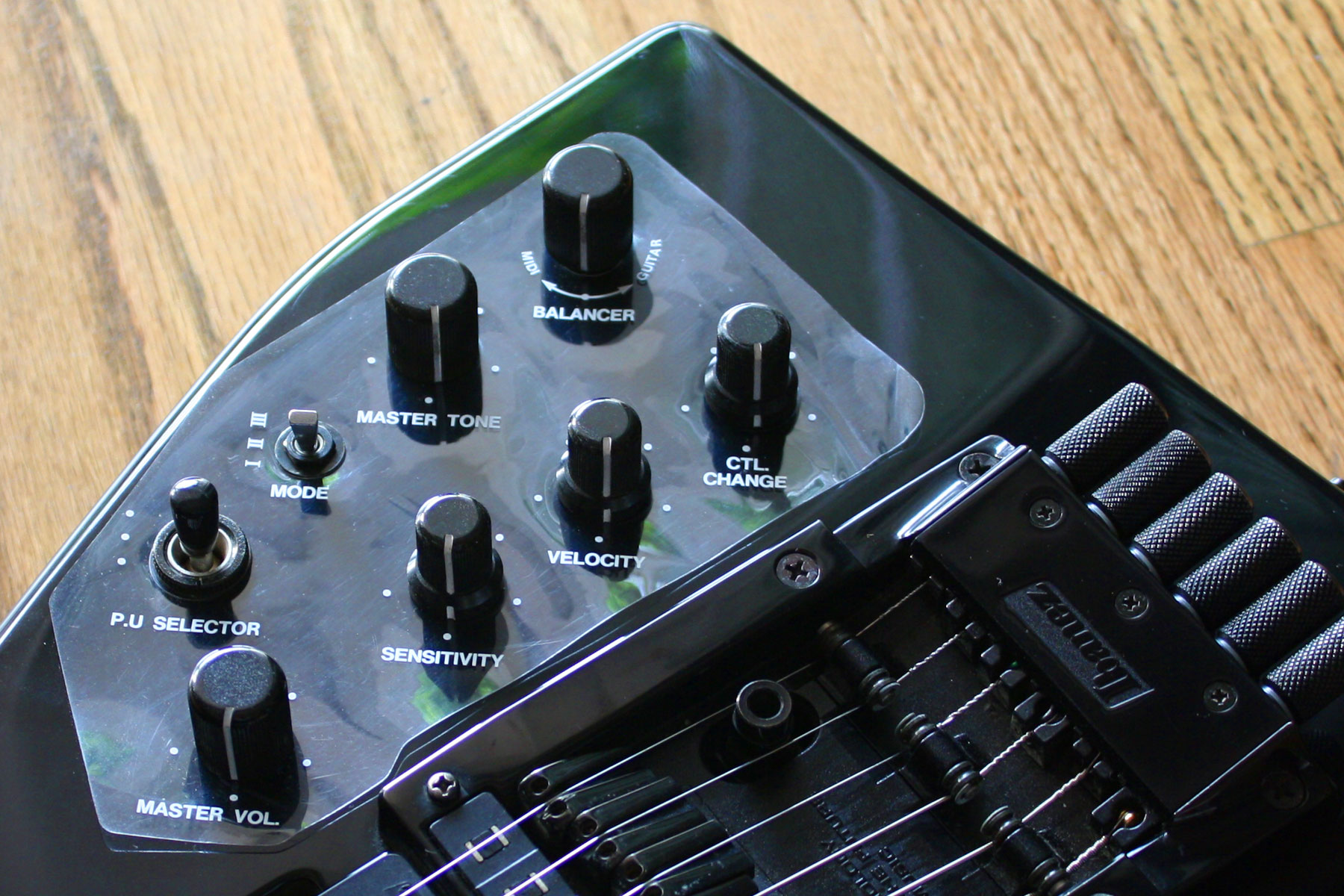
Controls
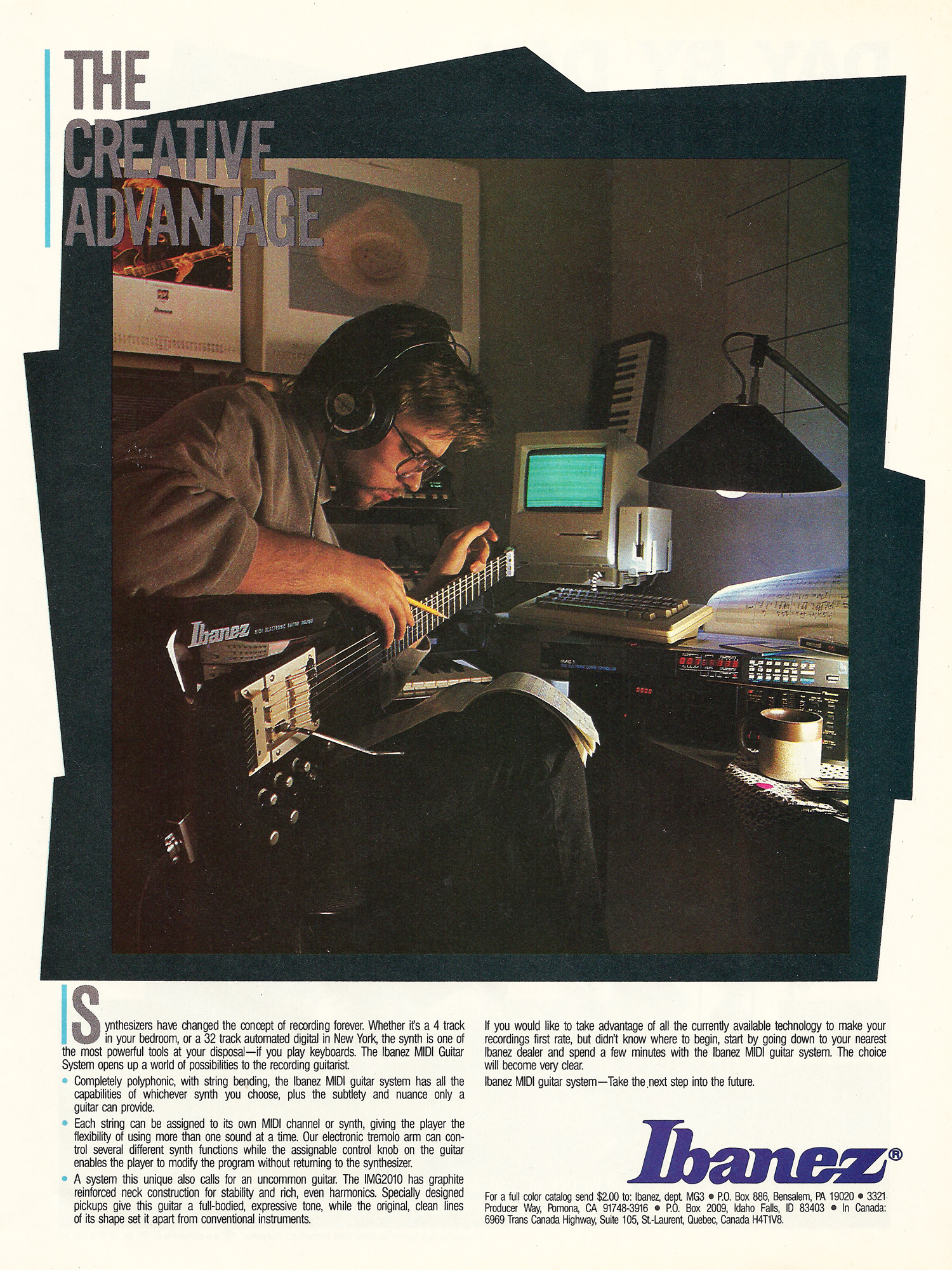
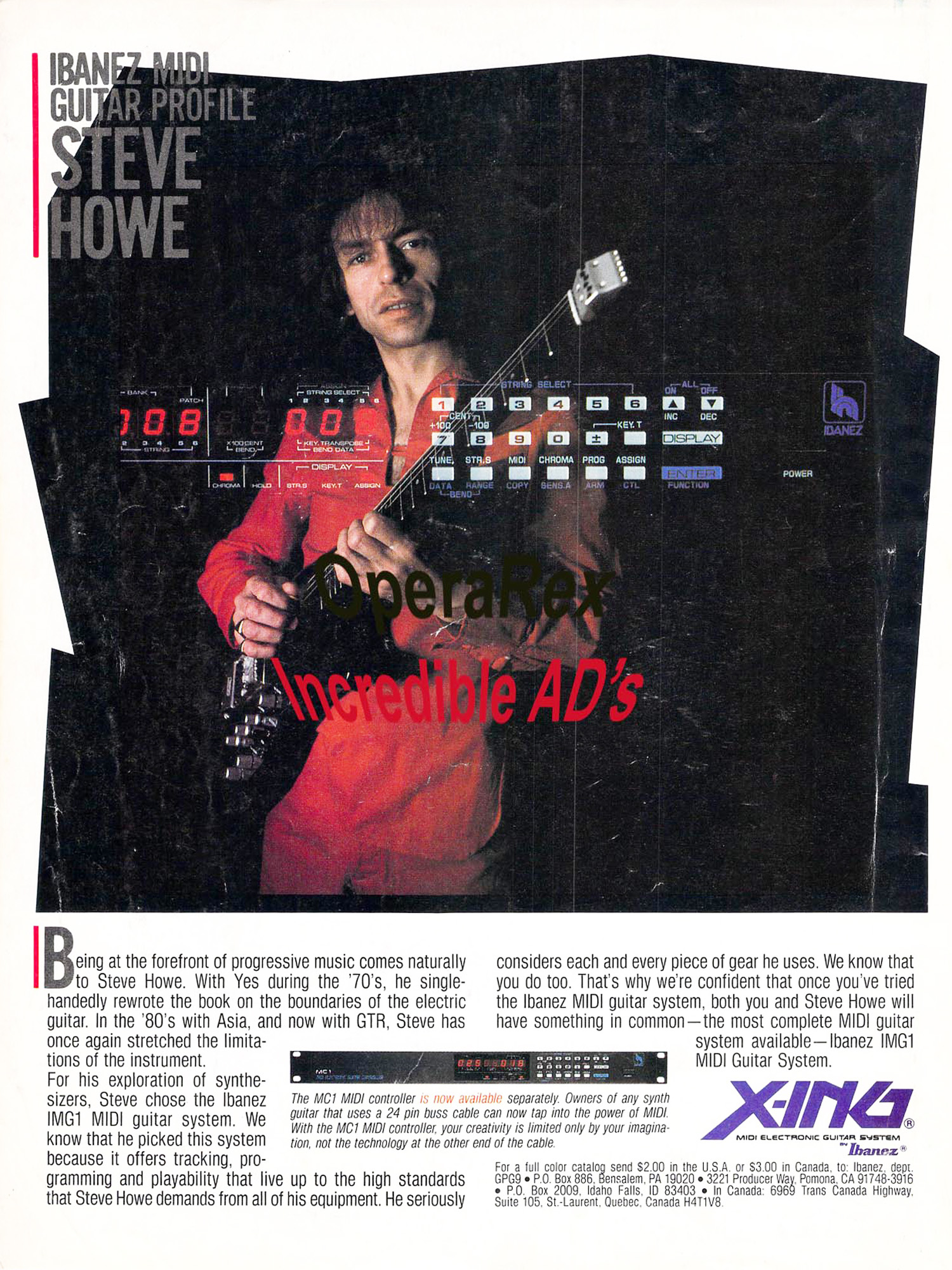
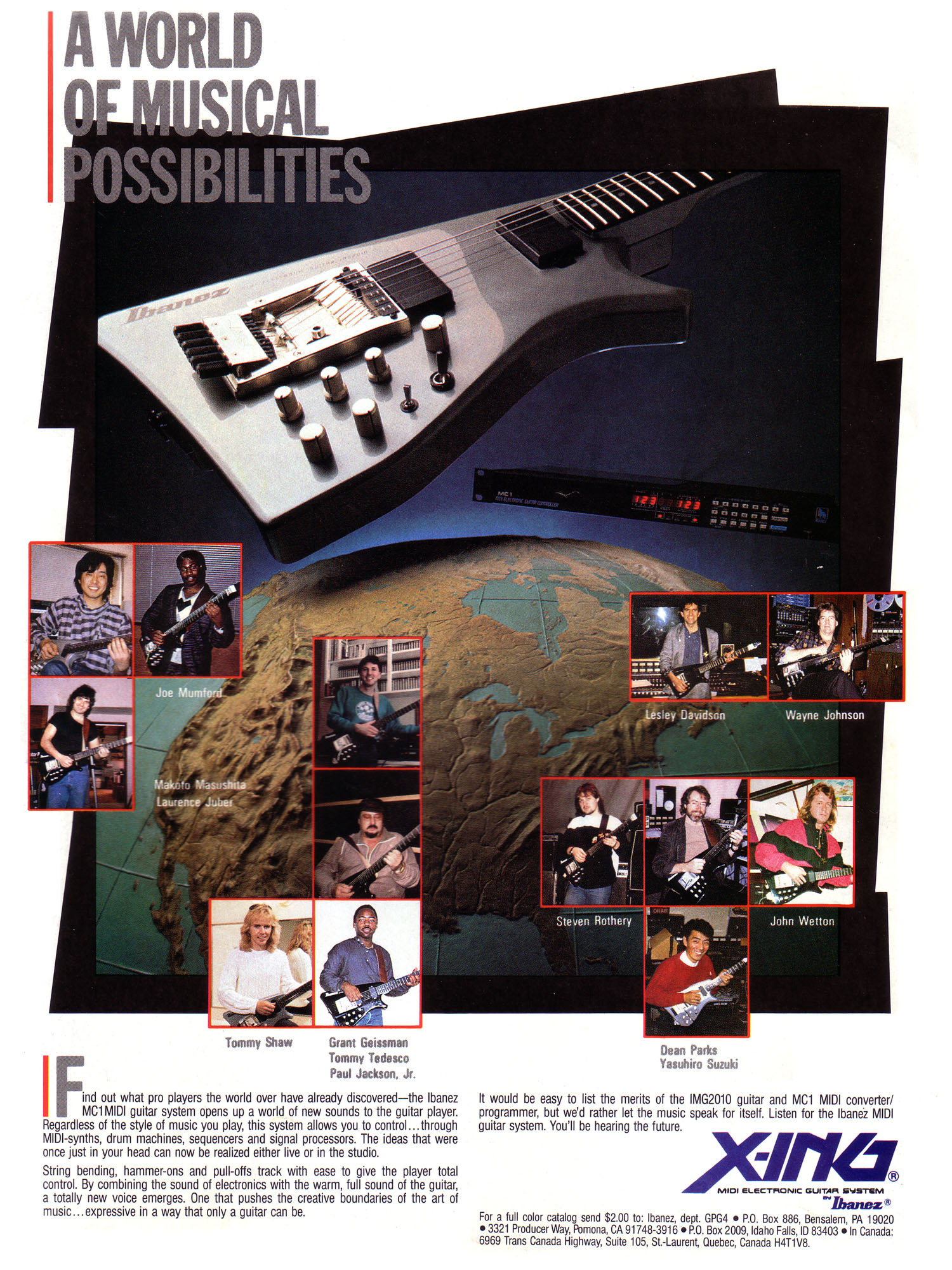
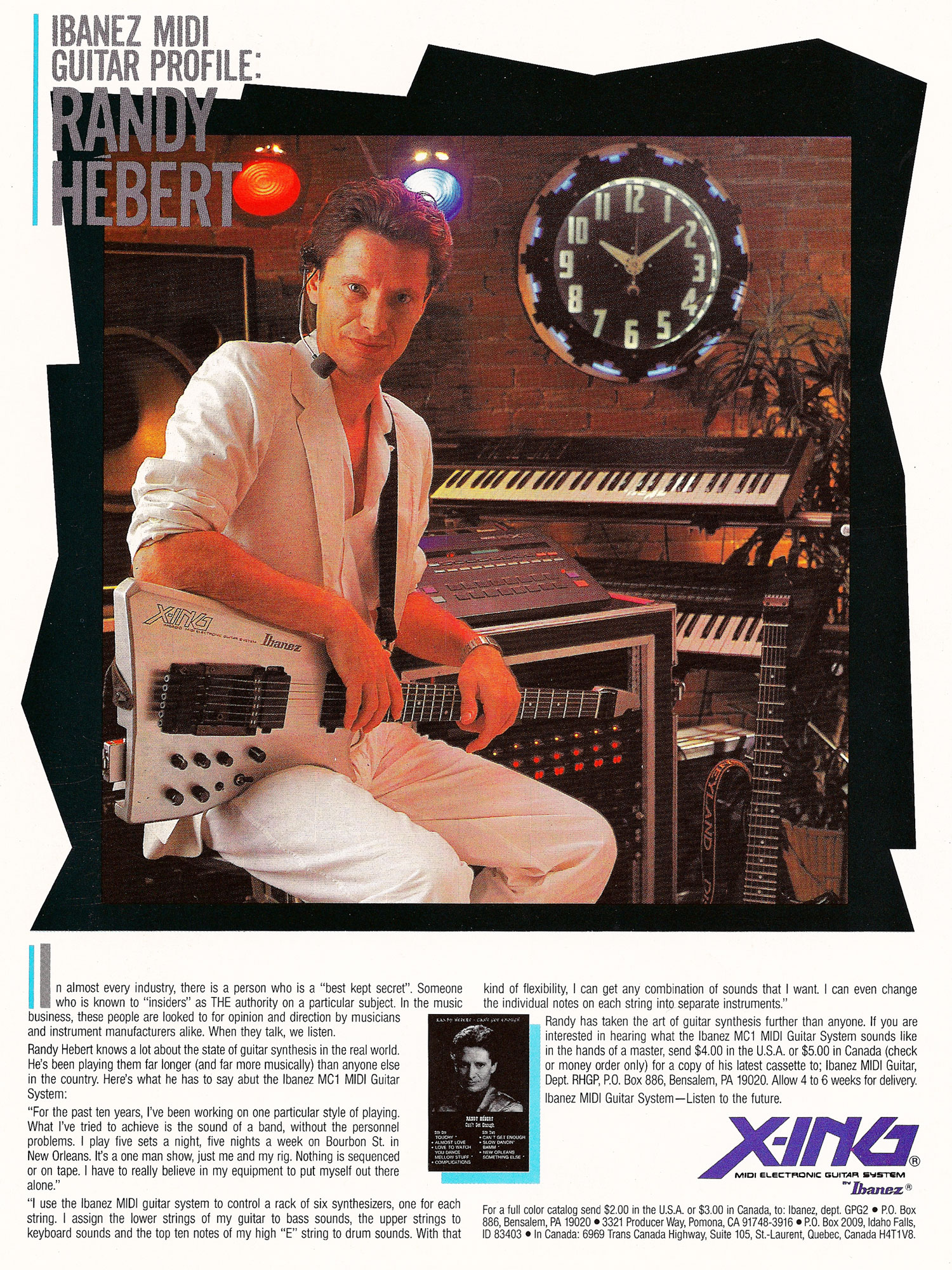
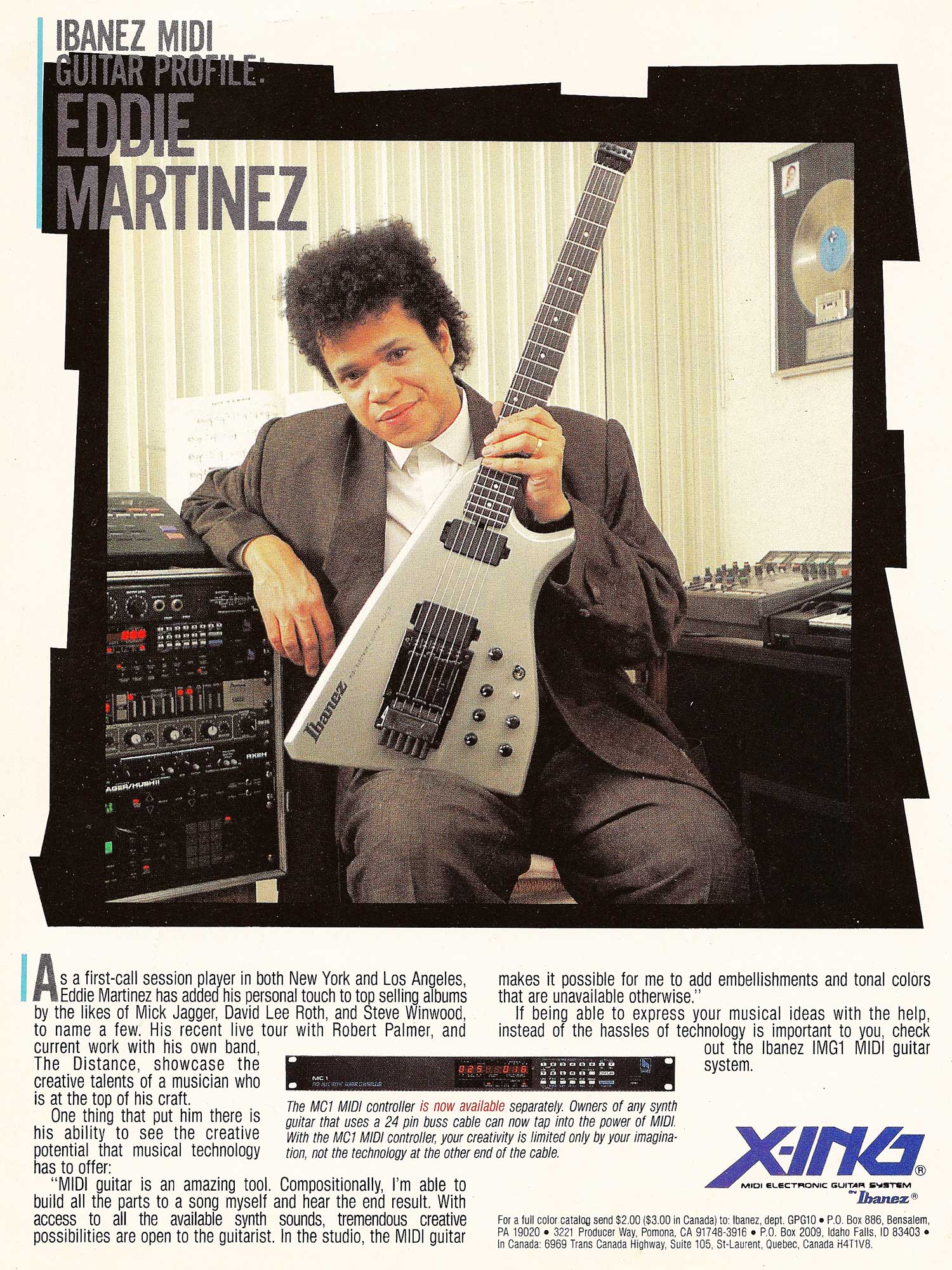
Magazine Advertising
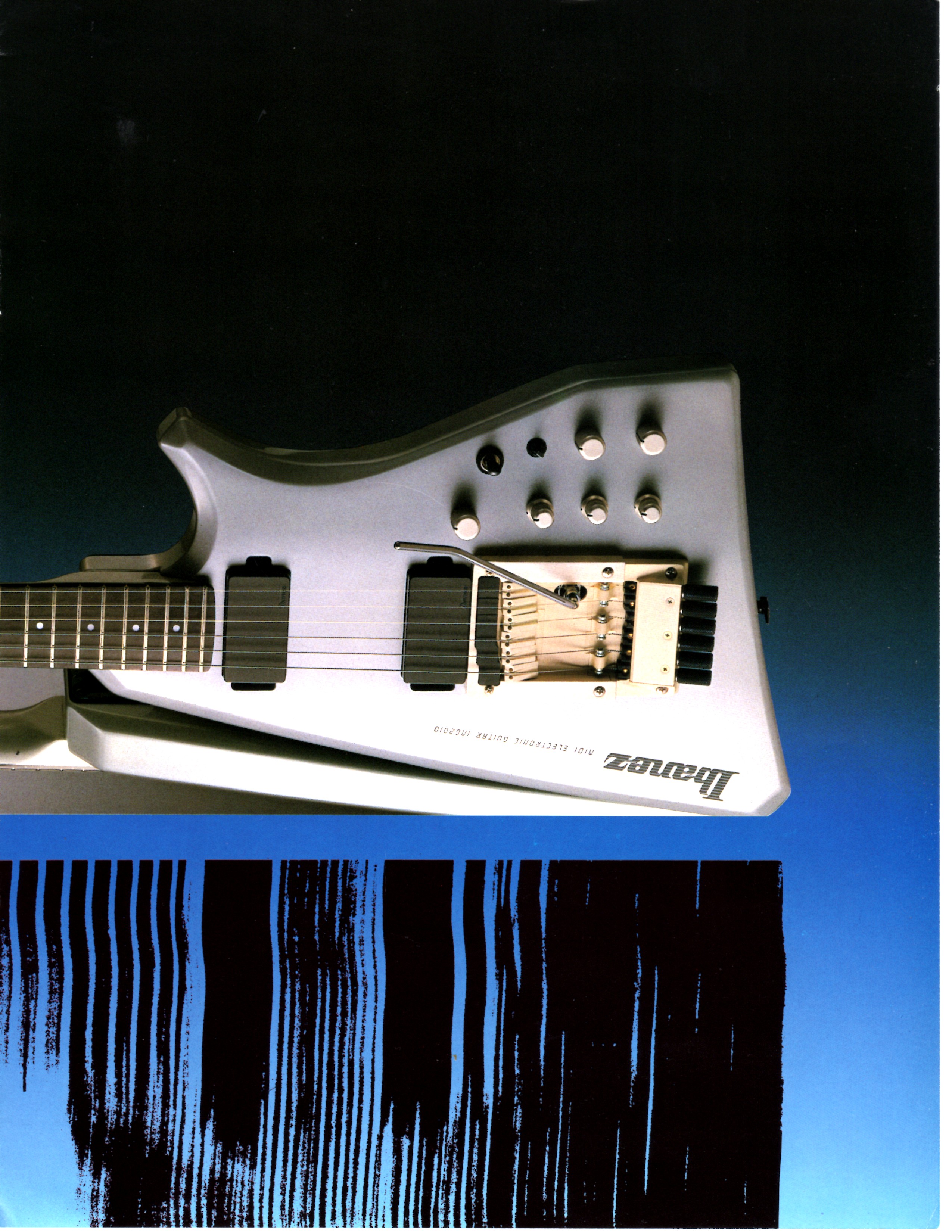
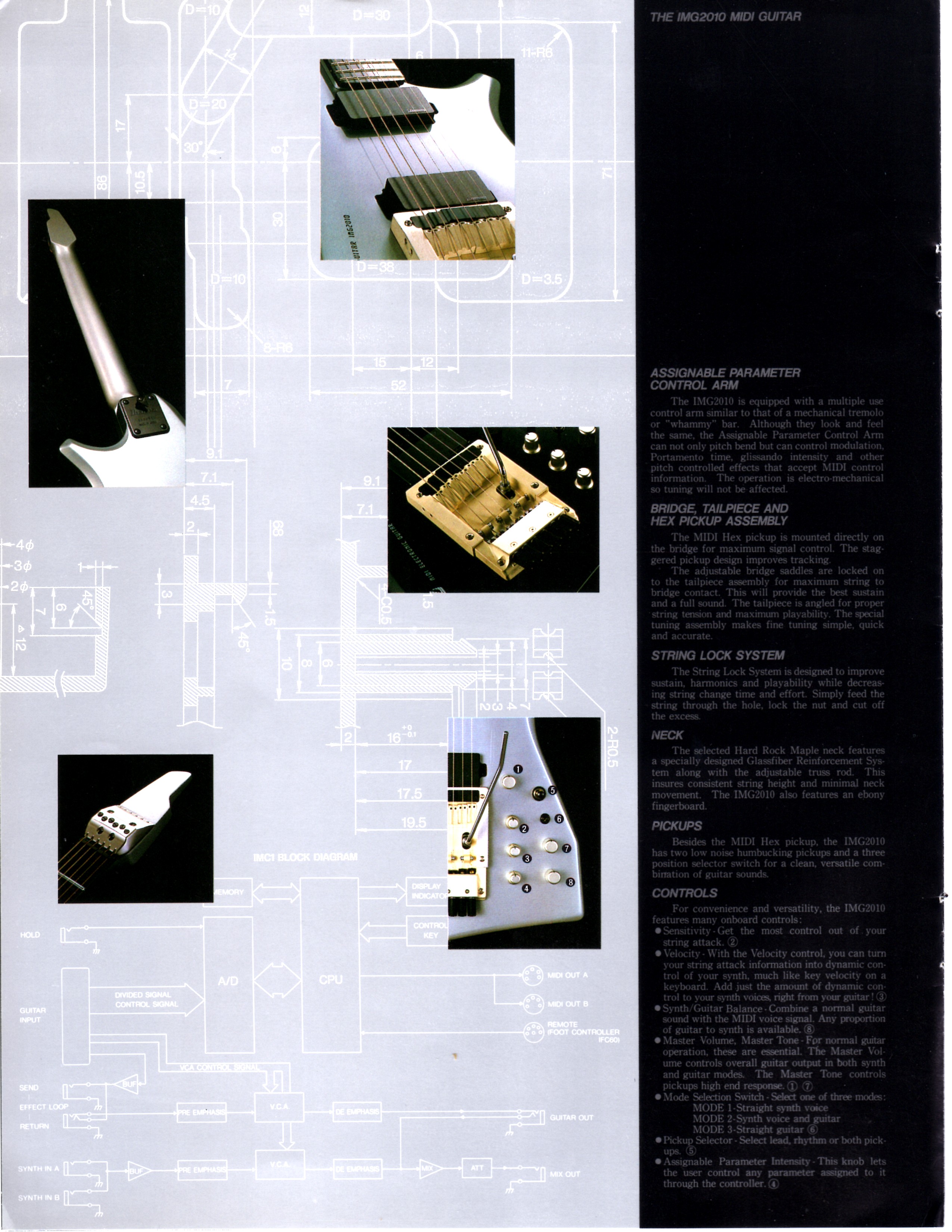
1985 Brochure
Ibanez Axstar Guitars
Virtual Whammy Bar
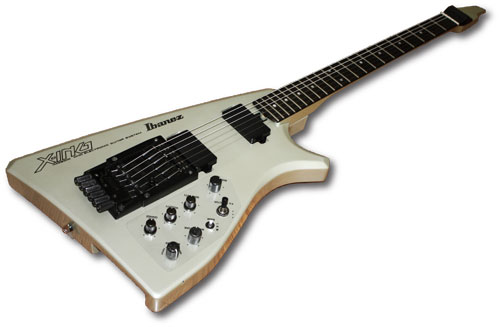
Ibanez IMG2010 Guitar Synthesizer Controller
Features and Specifications:
- Body: Maple
- Finish: Black or Silver
- Neck: Maple, 1 piece with GFRP bar with truss rod
- Fingerboard: Ebony
- Frets: 22
- Bridge: Custom Ibanez with integrated hex pickup
- Nut: N/A
- Tuning machines: Ibanez Microtuners
- Pickups: Two Ibanez Humbuckers
- Scale: 25 1/2"
- Truss Rod: Single, adjustable
- Neck Width: 1 5/8"
- Body Width: 12"
- Body Depth: 1 1/2"
- Overall Length: 37"
- Weight: 8 lbs.
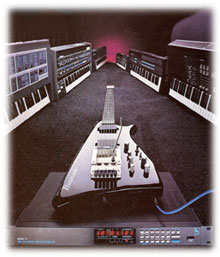 |
Introduction to the Ibanez IMG2010:
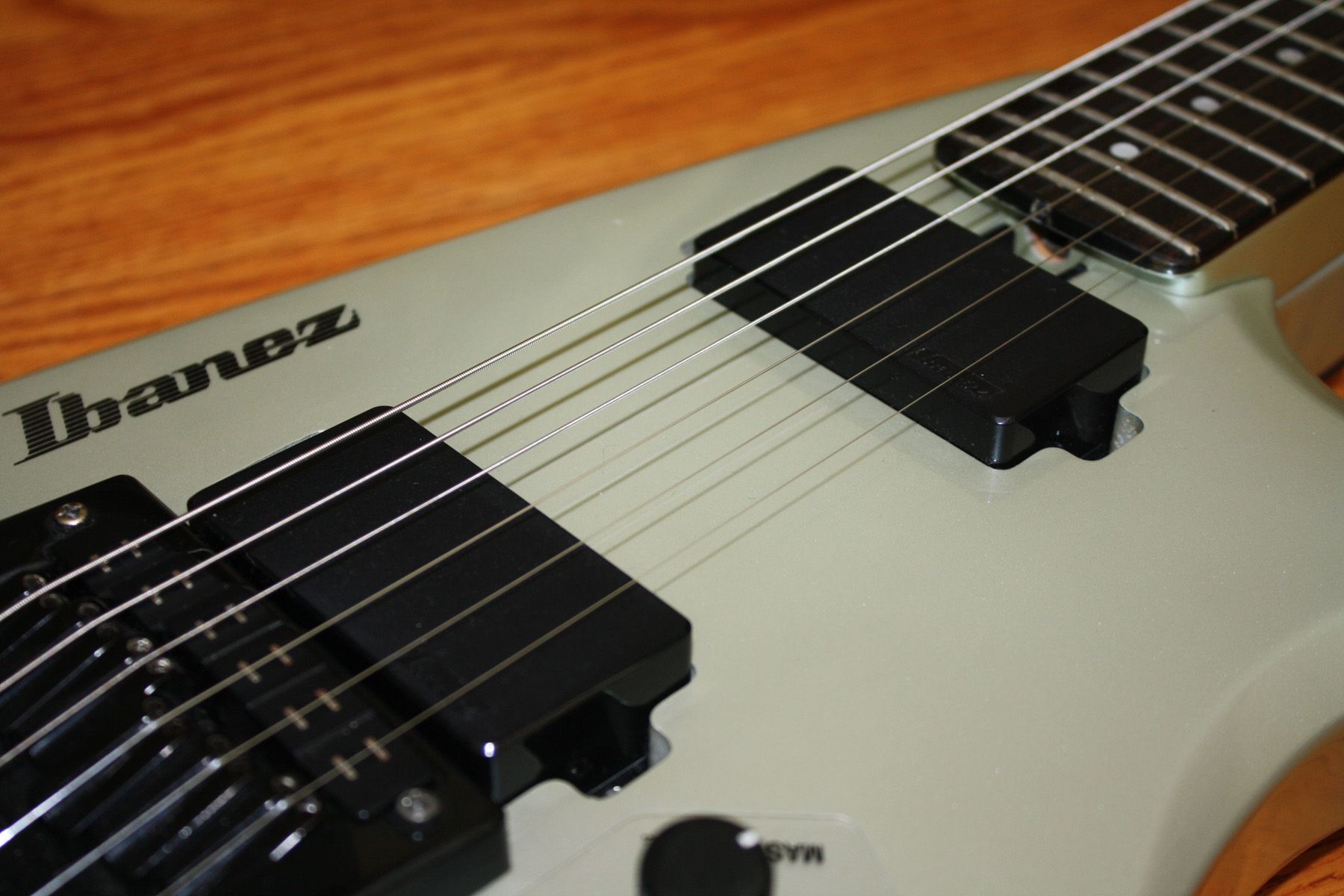
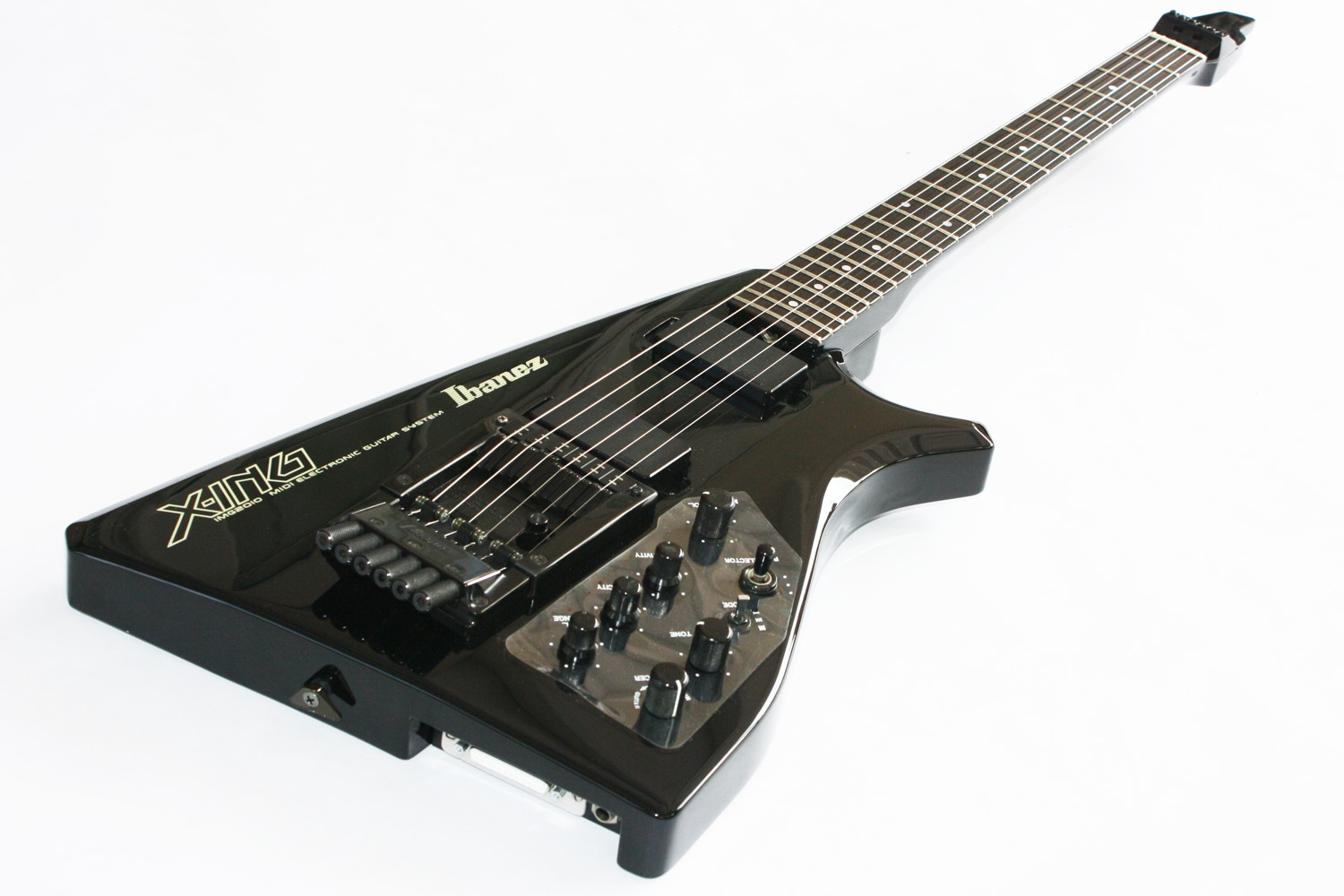
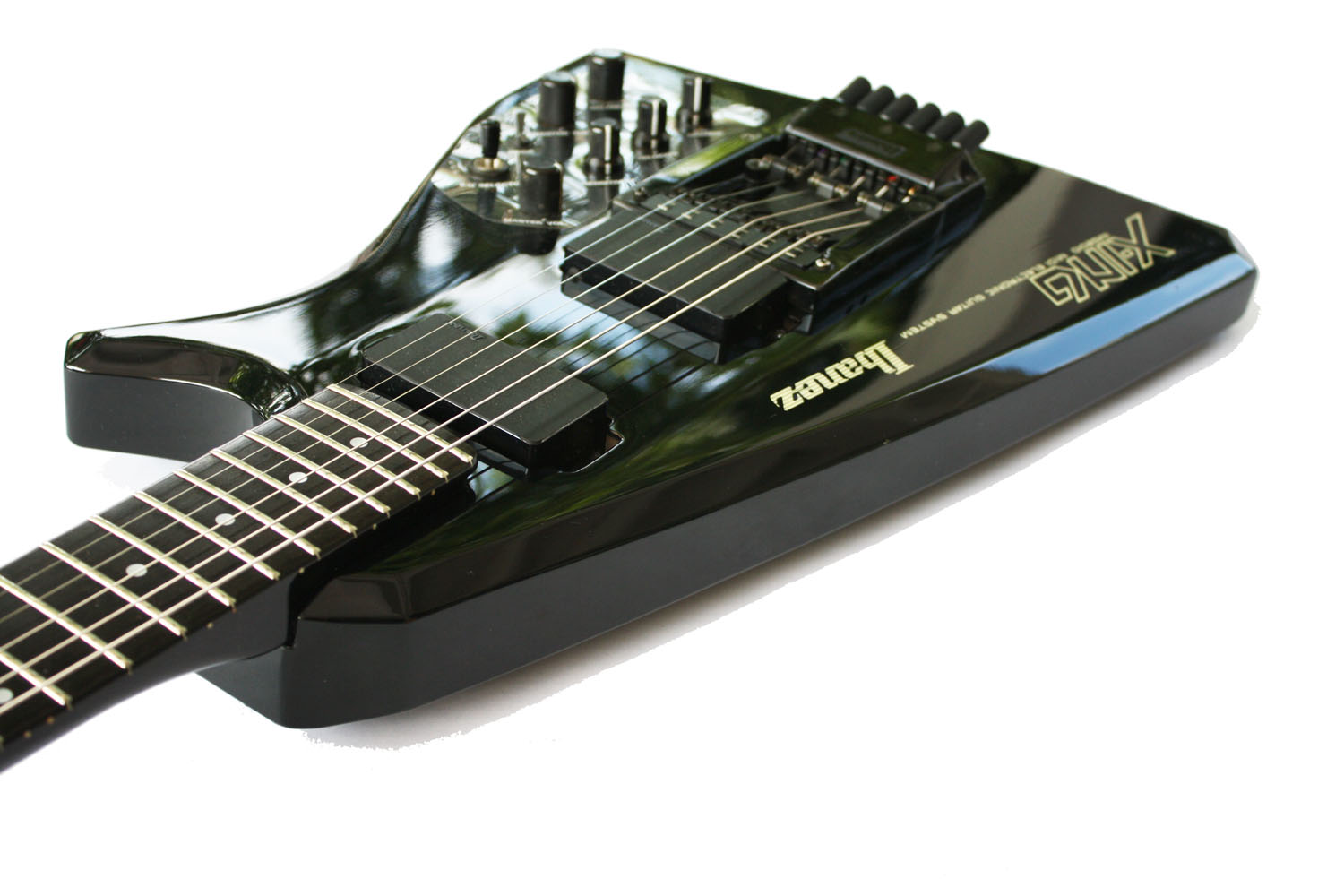
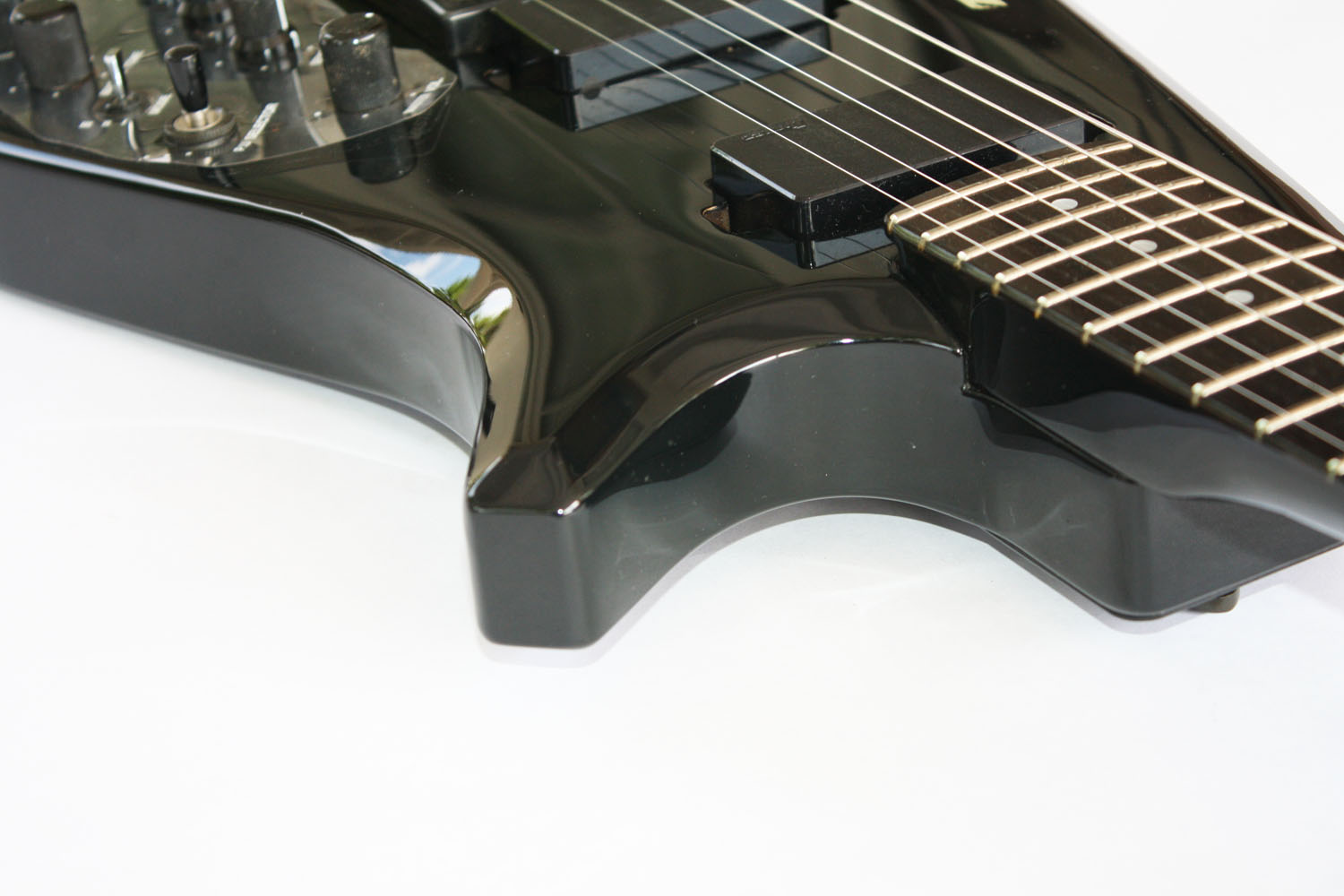
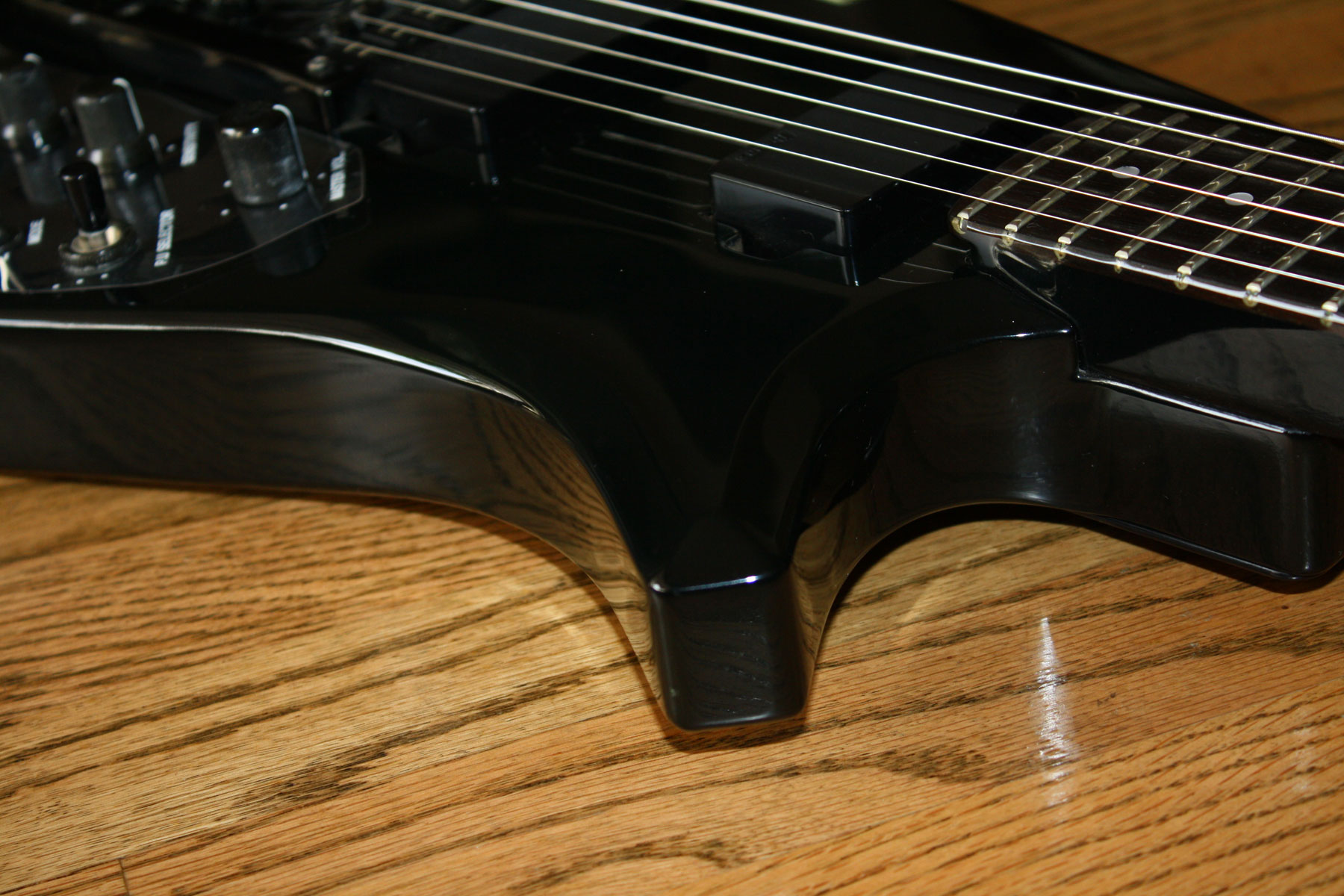
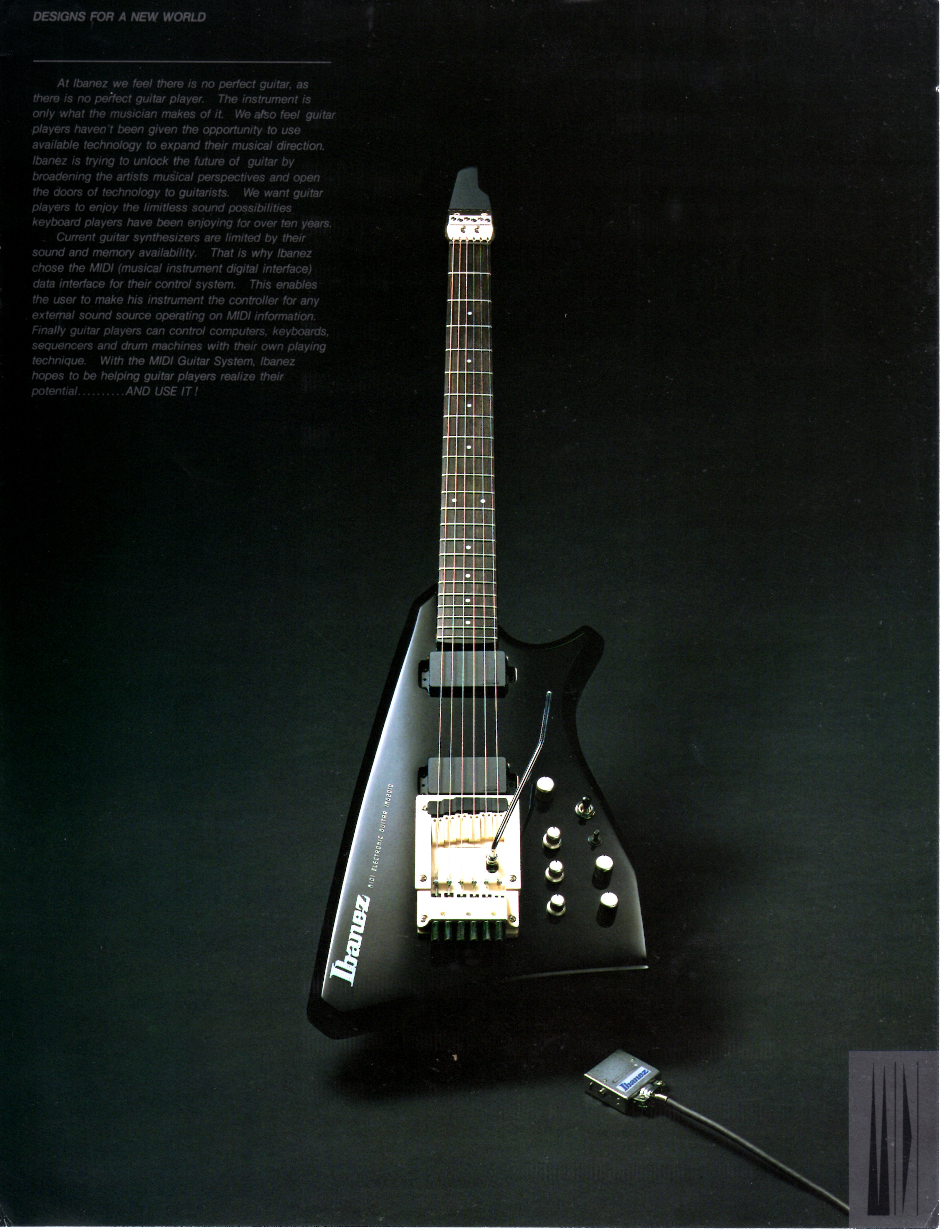
The Ibanez IMG2010, like all the Roland guitar synthesizers from the 1980s, was actually built at the same Fujigen factory that made many of the best Japanese guitars of that era. The designers of the IMG2010, the last of the mass-produced Roland compatible controllers, benefitted from studying the weaknesses and strengths of the Roland models.
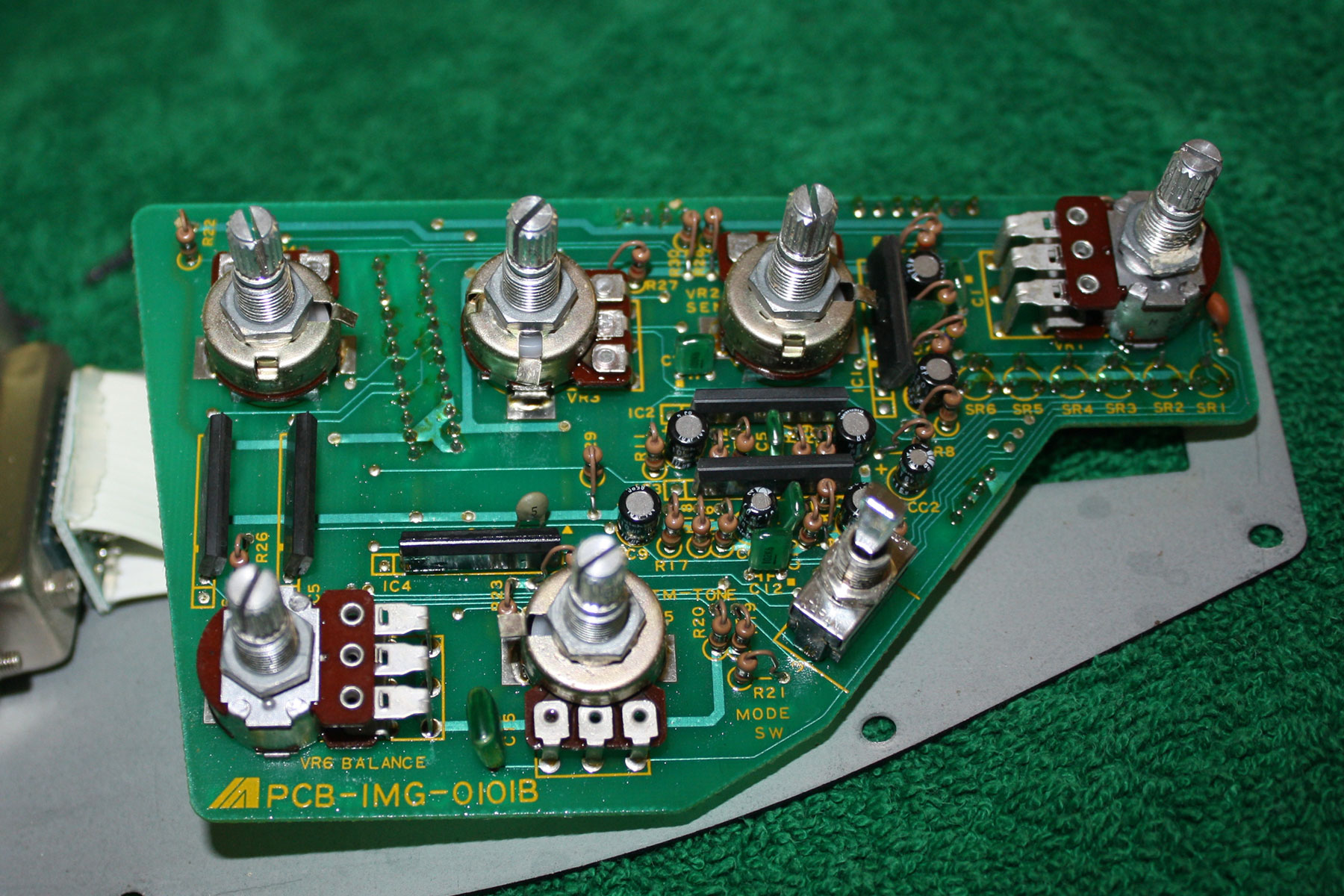
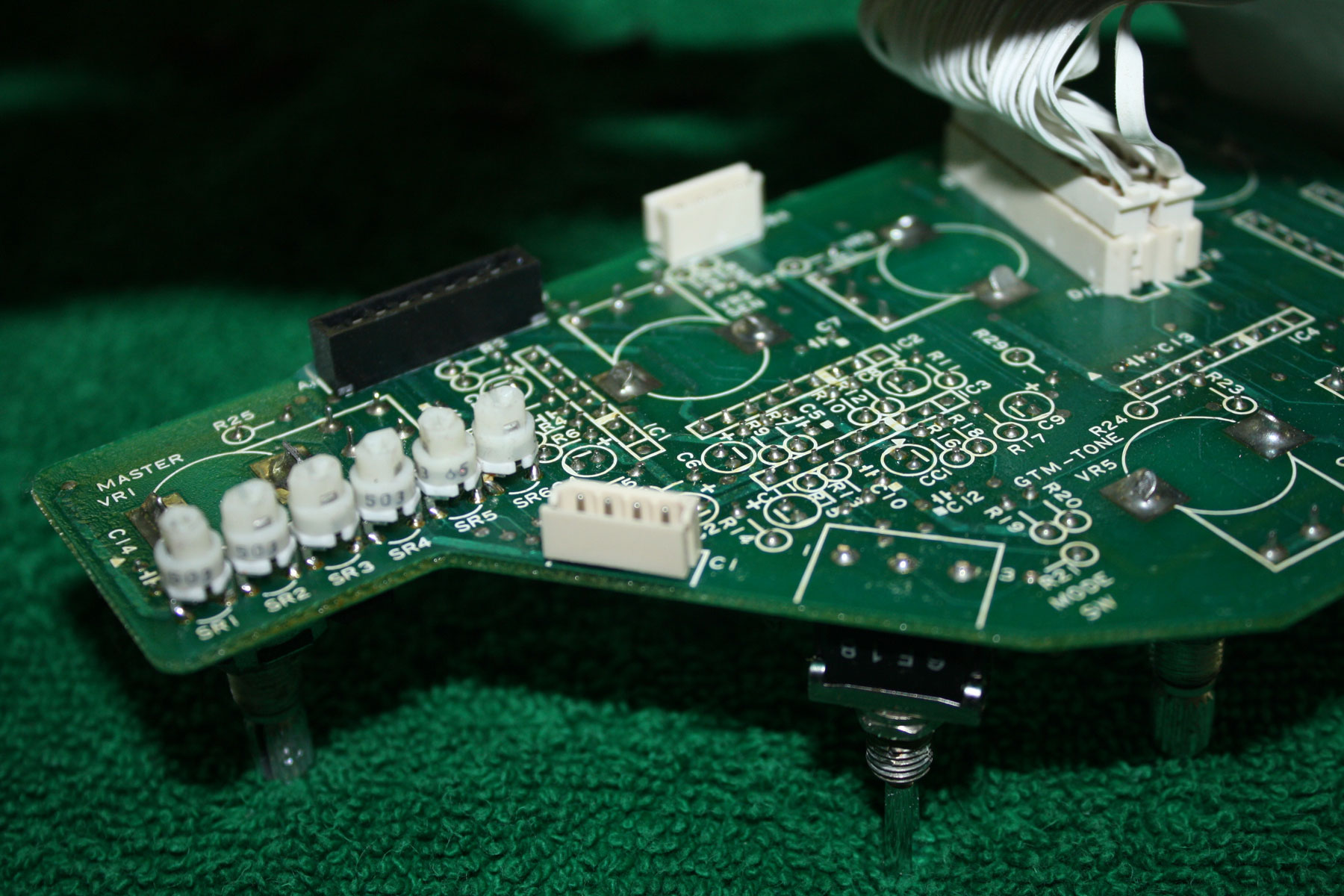
The IMG2010 a incorporates graphite reinforced neck for stability, playability, and pitch accuracy. The fretboard is ebony, the fretboard of choice in all of the top-of-the-line synthesizer controllers, such as the Roland G-808 or the Godin guitars. The fragile Roland ribbon connector was replaced by a wired harness. The tricky vibrato touch pads were replaced by a knob. The IMG2010 adds a virtual whammy bar mentioned in the Roland service manuals but never implemented by Roland, and Ibanez engineers redesigned the gain structure of the internal trim pots. Proper setup of the trim pots is required for accurate velocity tracking.
Simply put, the revolutionary X-ING IMG2010 is absolutely one of the finest guitar synthesizer controllers ever built. The X-ING IMG2010 has more performance features, dead-on pitch stability, quality, sound, and playability that has made Ibanez one of the top guitar manufacturers in the world. If you use this guitar with a vintage guitar synth, or with a modern guitar synth (by using a BC-13, BX-13 or similar device) nothing seems to plays as easily or as accurately as the Ibanez IMG2010.
How rare is the IMG2010?
I have often repeated the web-based claim that only 500 IMG2010s were produced. That appears to be in question, and currently the number seems to be closer to 2,000. IMG2010 user Jonathan Evans pointed out that as of April 4, 2012, there are serial numbers at Mike Matters's excellent website ranging from 3148 to 5219. Given the design costs of the IMG2010 I would not be surprised if the production run was larger than 2,000.
A note on using the IMG2010 with the GR-300:
Occassionally an IMG2010 can act a little strangely when used with a GR-300. This seems to be confined to the low "E" exclusively. My impression is that due to the design of the IMG2010, the low "E" is a little brighter, and this brighter sound may be causing the adaptive filter to shift octaves. This is actually a similar experience I had with the low "E" on the GR-33B bass synth when I used a G-88 controller. However, if you check out the video demo above with the GR-300, it worked just fine when played evenly.
The Unique Design Advantages of the Ibanez IMG2010:
Built-In Graphite Stabilizer Bar
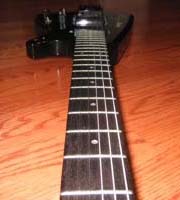
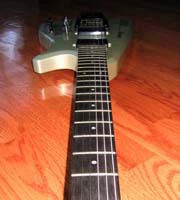
Converting pitch-to-MIDI is a tricky business that requires a guitar with a uniform sound, and no "dead spots" on the neck. Roland’s answer with the G-707 was to add a stabilizer bar to the guitar to eliminate dead spots. Ibanez came up with a much better solution: use graphite to reinforce the neck itself. Thus the X-ING IMG2010 offers the same playing quality as the G-707, without the awkward stabilizer bar. Pat Metheny fans will note that Pat has also replaced one of the necks on his signature G-303 with a graphite neck. The neck of the X-ING IMG2010 is as fast and as playable as one would expect from a top-of-the-line Ibanez guitar. These guitars are still cutting edge instruments for innovative players ready to use technology as a part of their sound.
Virtual Whammy Bar
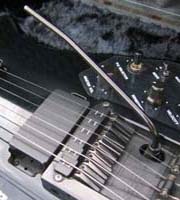
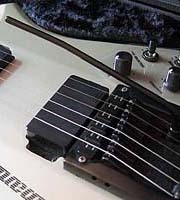
Again, Pitch-to-MIDI conversion requires accurate pitch. The better a guitar can hold its pitch, the better a pitch-to-MIDI converter can works its magic. While the G-505 and G-707 have reasonable tremolos, they fall far short of the standard required for computer pitch tracking. After the whammy bar returns to its home position, the slightest deviation in pitch means more computations and subsequent MIDI pitch messages, and thus more MIDI delay. Ibanez solved this problem by creating a super-stable guitar with a virtual whammy bar. Used with an Ibanez MC1 or Roland GM-70, you can bend MIDI notes as far as you want, and the guitar never goes out of tune, and chords maintain their sound.
Continuous Control of all 4 Controllers
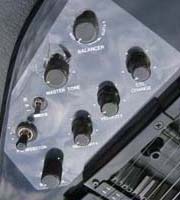
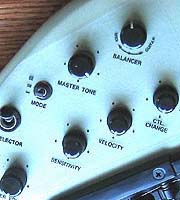
The Ibanez IMG2010 is the only guitar synth controller that uses all 4 controllers. The Roland guitars only offer controllers 1,2 and 4. Furthermore, the IMG2010 does away with the tricky Roland touch pads required to activate the LFO (or Modulation). Simply turn the modulation knob on the IMG2010, and you have modulation. The Roland touch pads actually require the guitarist to complete an electrical circuit with his hands in order to work. Forget about taking your hands off the neck after playing harmonics. And since the Roland touch pads are constantly exposed to oils and moisture from contact with the fingers, they are very prone to corrosion and wear. It is no wonder that one of the original "Craig Anderton" modifications was to eliminate use of the Roland touch pads!
Guitar Synth Pickup Integrated into the Bridge
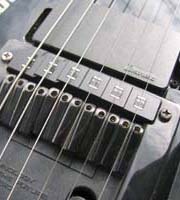
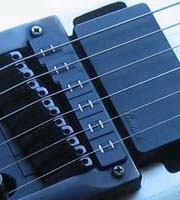
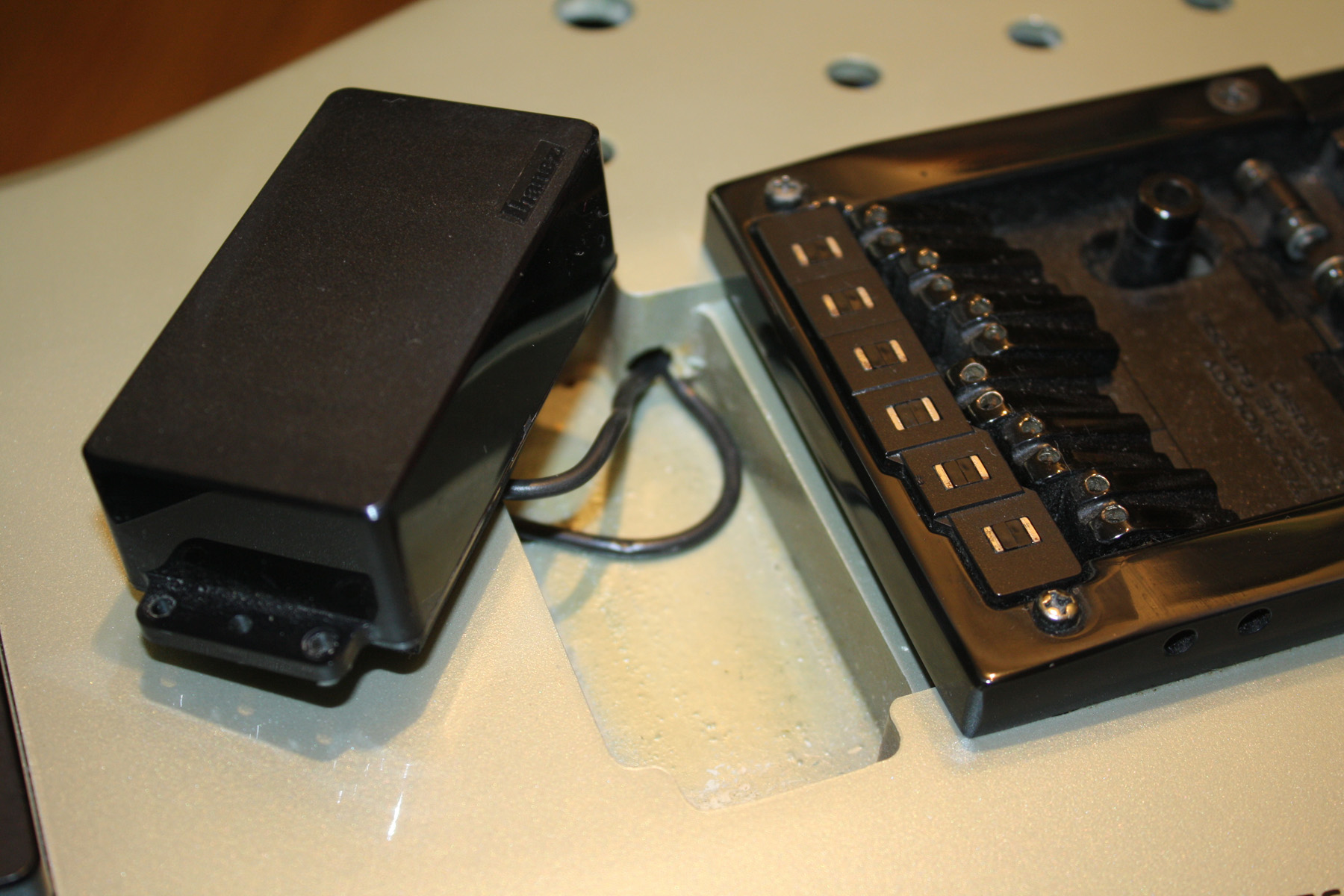
The Roland guitar synth pickup is a separate pickup that sits just in front of the bridge of the guitar. This means the pickup is more sensitive to the mechanical operations of the guitar, bending the whammy bar, etc. Also, the fragile multi-connector is also exposed, and more likely to be damaged. Again, Ibanez set a new standard in design my incorporating the pickup inside the bridge of the guitar! As a result, the Ibanez IMG2010 pickup is closer to the strings, and receives more of the fundamental string tone. The unique Ibanez pickup is less sensitive to unwanted body mechanics, while more sensitive to the string vibrations. Comparing the Ibanez IMG2010 side-by-side with the Roland guitars, it is unmistakable that the Ibanez simply has more output.
Custom Precision Tuning Mechanism
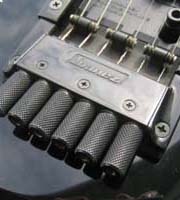
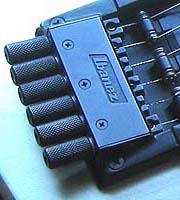
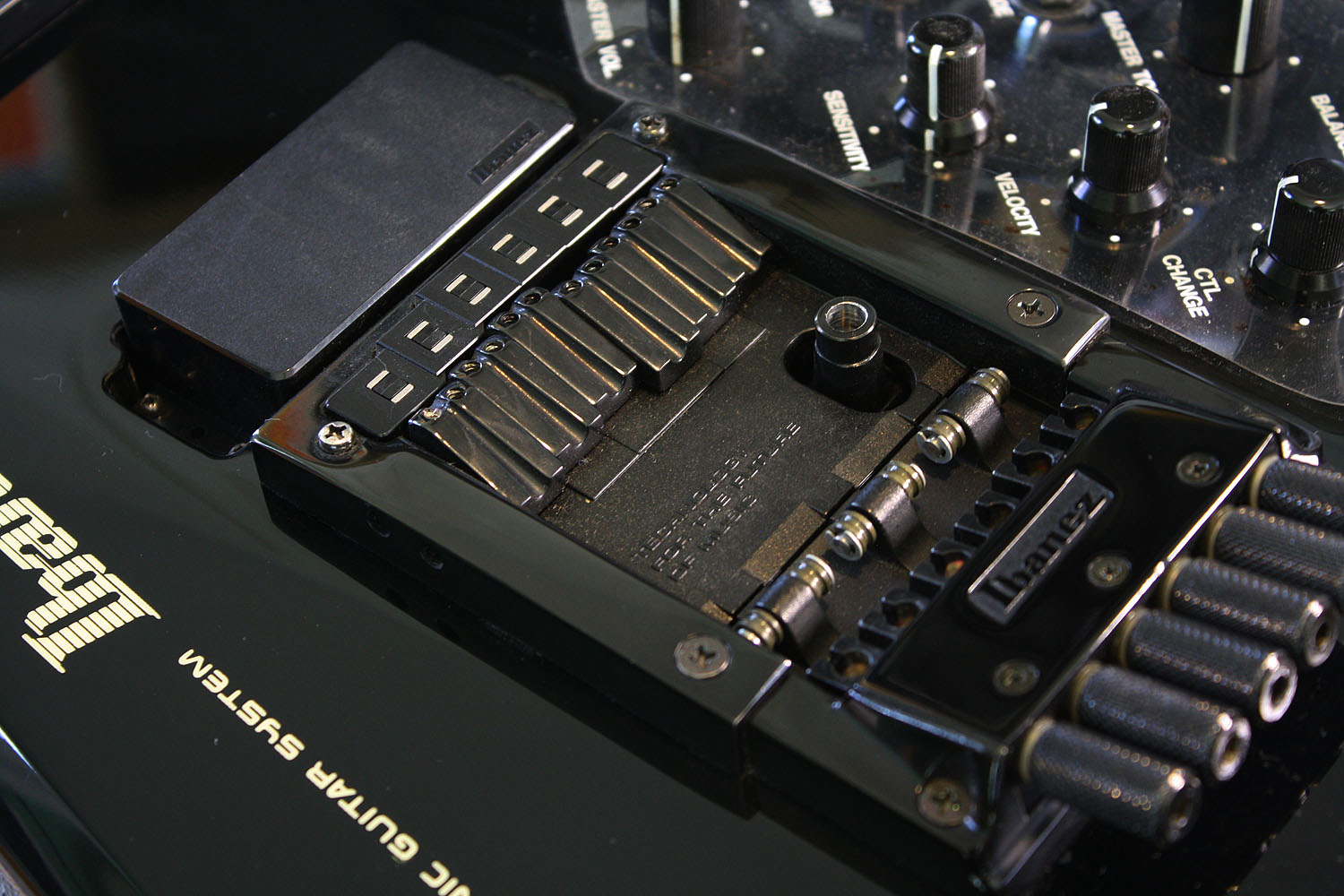
In addition to many other innovations in the design of the Ibanez IMG2010, there are precision microtuners in the bridge of the IMG2010. These tuners, combined with the unique headstock of the IMG2010, put this guitar firmly in the territory of classic, vintage Steinberger guitars. In addition to being an excellent system for pitch stability, bridge tuners offer simple conveniences: combined with the locking headstock, you do not need multiple windings to achieve pitch, and when you do need to adjust the pitch of the guitar, the tuning pegs are within easy reach at all times. The entire bridge design makes a clear statement as to how far Ibanez was willing to go to create the ultimate guitar synth controller. In fact, if you look closely, you will find the words "Technology for the Future of Music" on the bridge!
Improved Electronics Design and Construction
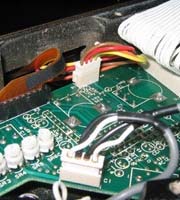
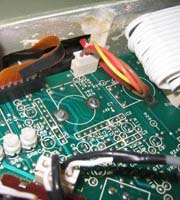
The IMG-2010 improves on the standard Roland package in three ways: first, only the IMG-2010 has control voltage buffering circuits for control voltage stability. Secondly, the trimmers in the IMG-2010 adjust the output string level from 60% to 100%, rather than the 0% to 100% on the Roland guitars. By limiting the control range, there is more precise control over the string output level. And finally, the IMG-2010 does not use the fragile ribbon connector found in every Roland guitar. Instead, individually insulated solid core wires connect the electronics board with the 24-pin connector. The Roland ribbon connectors become brittle and easily crack with age. The IMG-2010 does use a ribbon connector to connect the hex pickup, but only the IMG-2010 cable has reinforcing backing.
Links to more information:
- Ylvis - Music Video Featuring the IMG2010! Mr. Toot
- Ibanez IMG2010 and MC1 review, by Don Morris, as told to Tom Mulhem.
- Ibanez IMG2010 Registry of Owners, Maintained by Michael Mattera.
- Download the Ibanez MC1 Owner's Manual (pdf).
- Download the IMG2010 Schematic.
- Download the 1985 IMG2010 - MC1 brochure in high resolution 10 MB (pdf).
Version History - Prototype, Large Ibanez Logo, X-ING Logo:
The differences in the Ibanez IMG2010 guitars appear to be purely cosmetic. I have not found any variations in the guitar electronics.

|

|

|
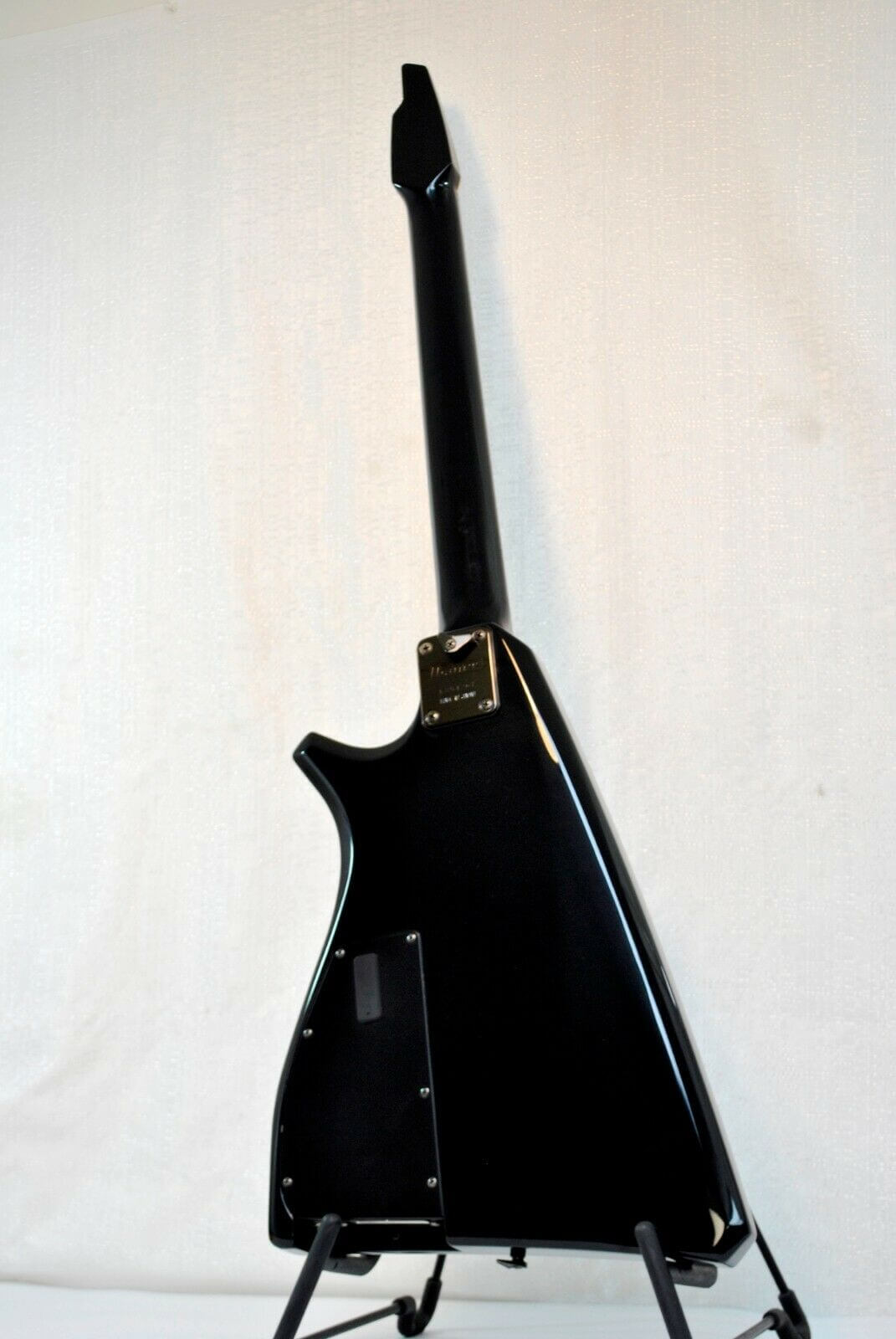
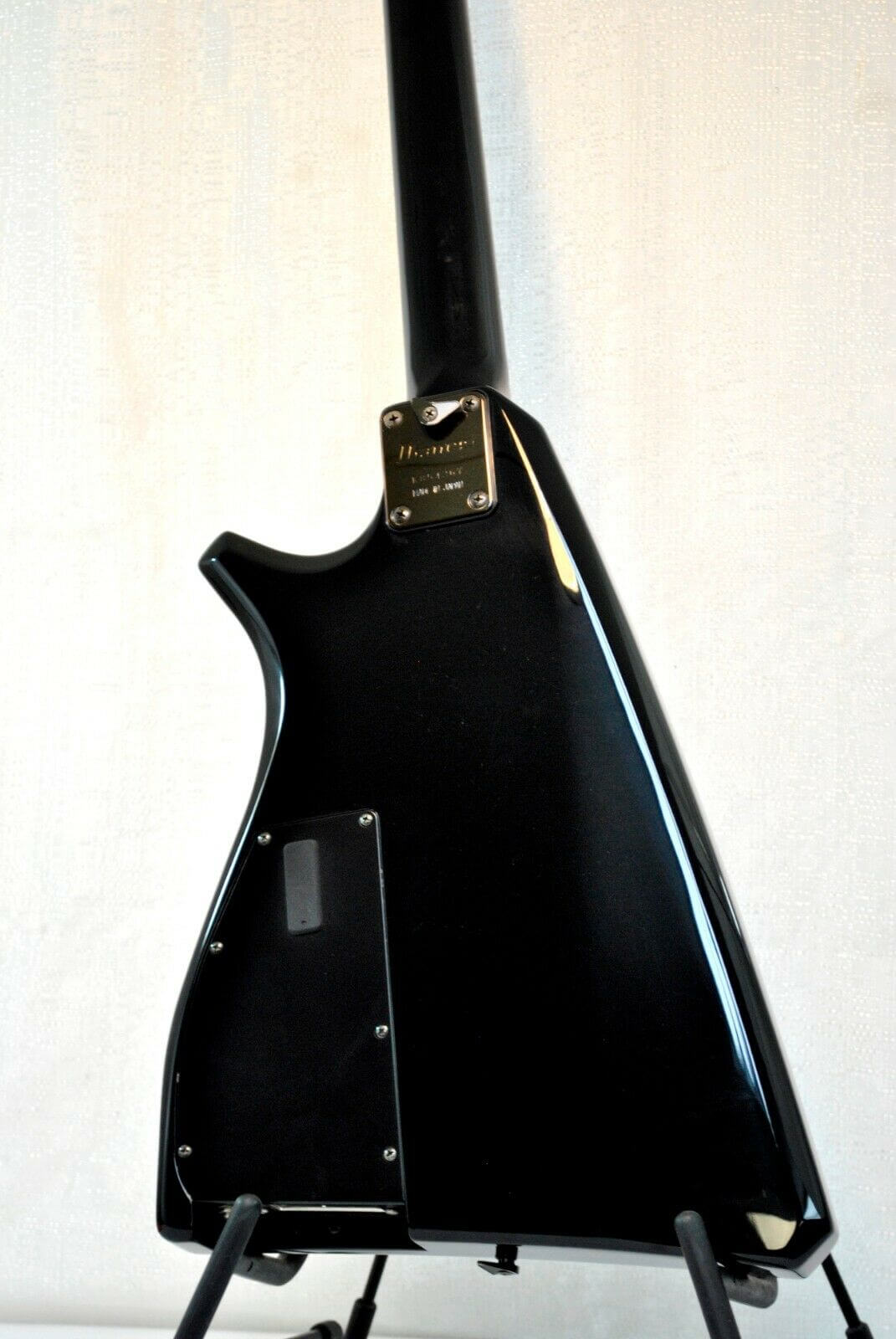
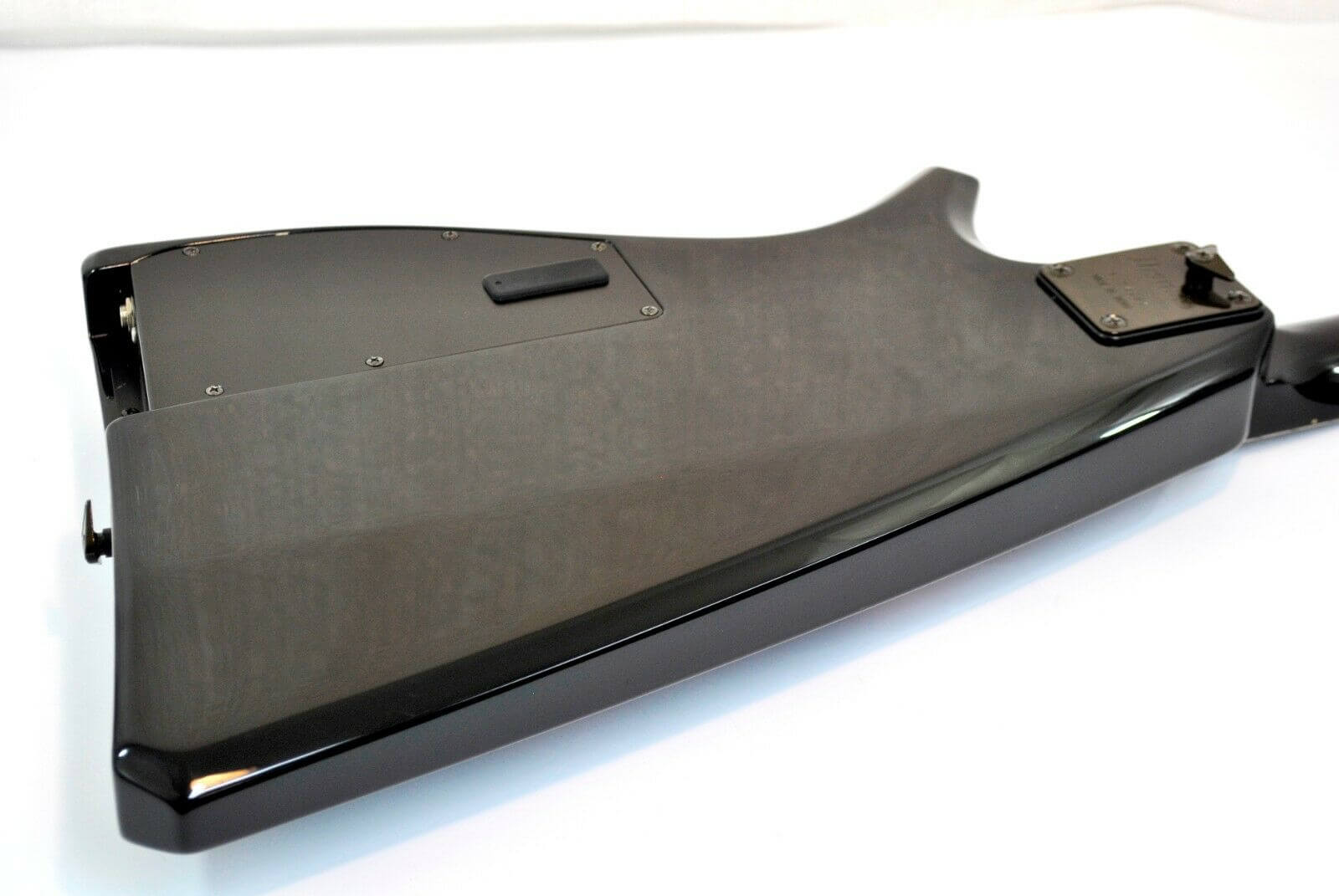
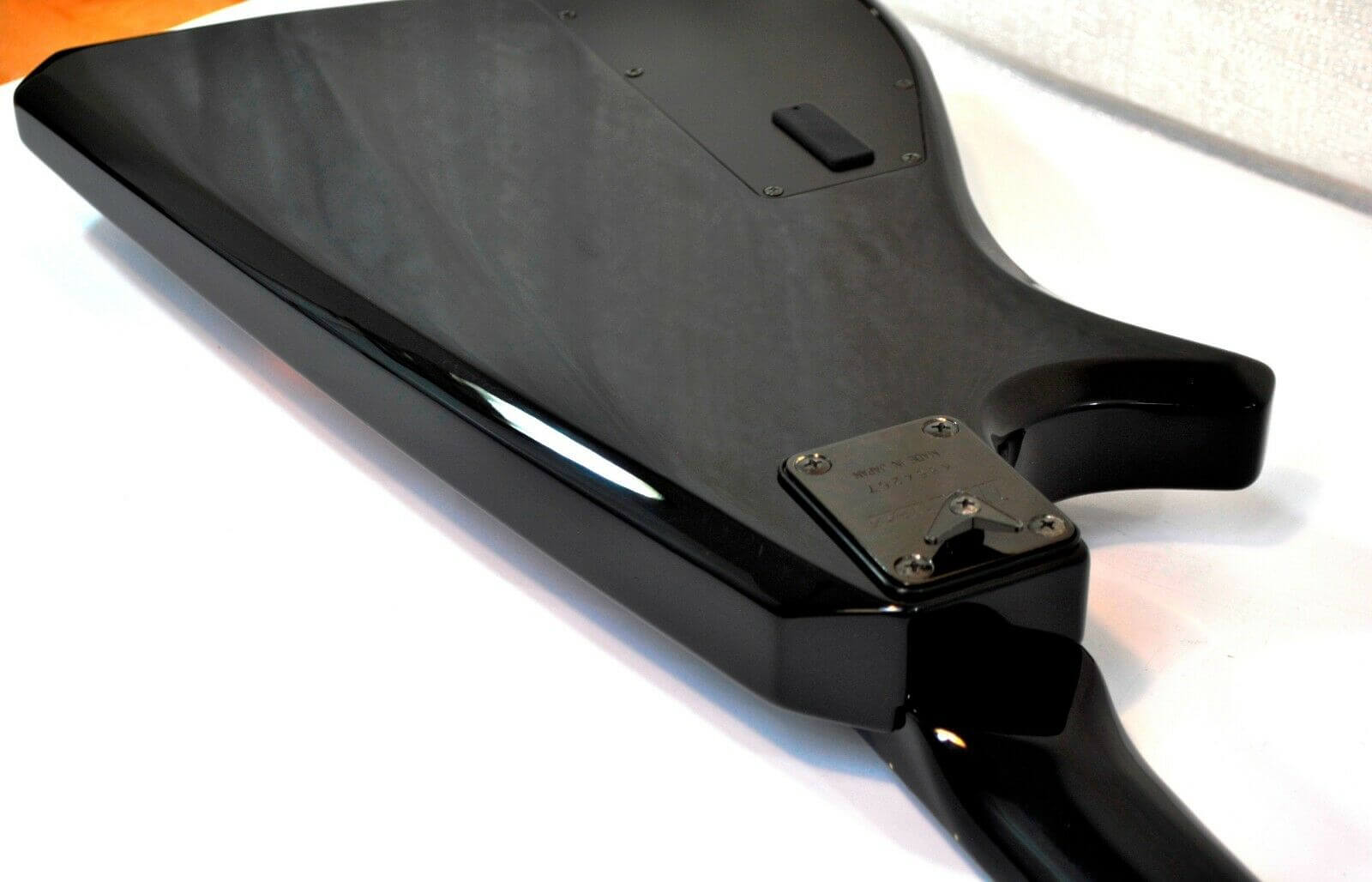
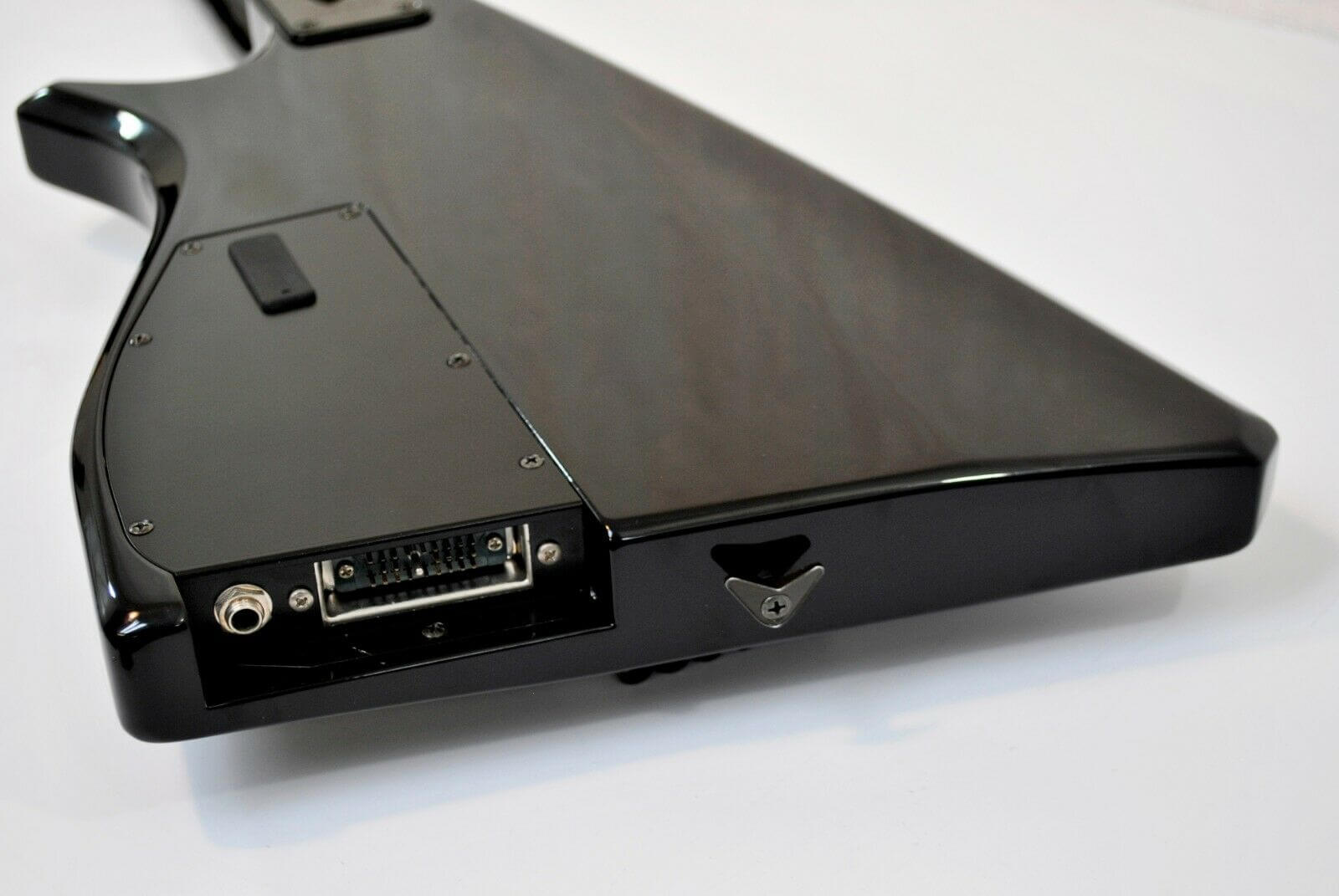
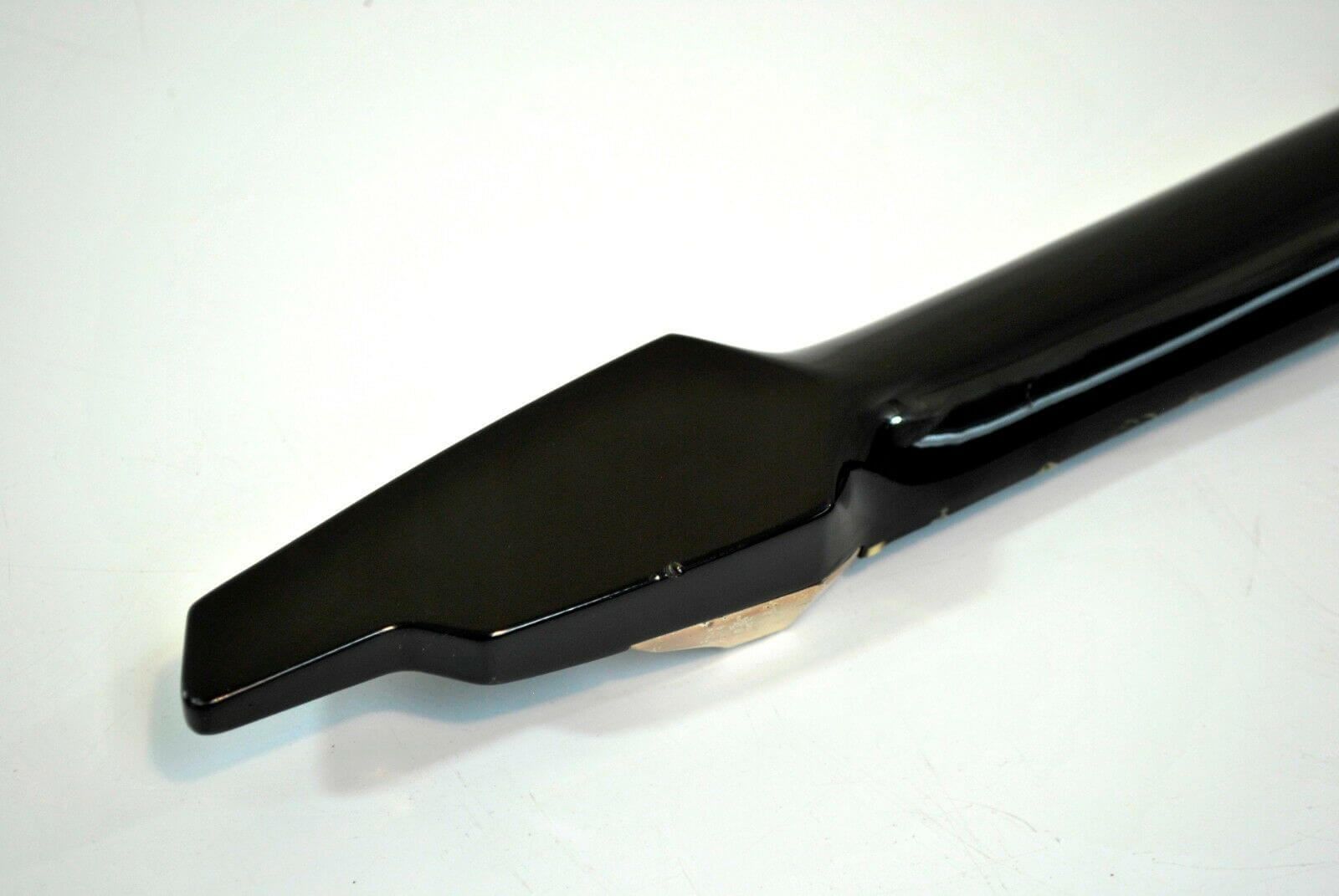
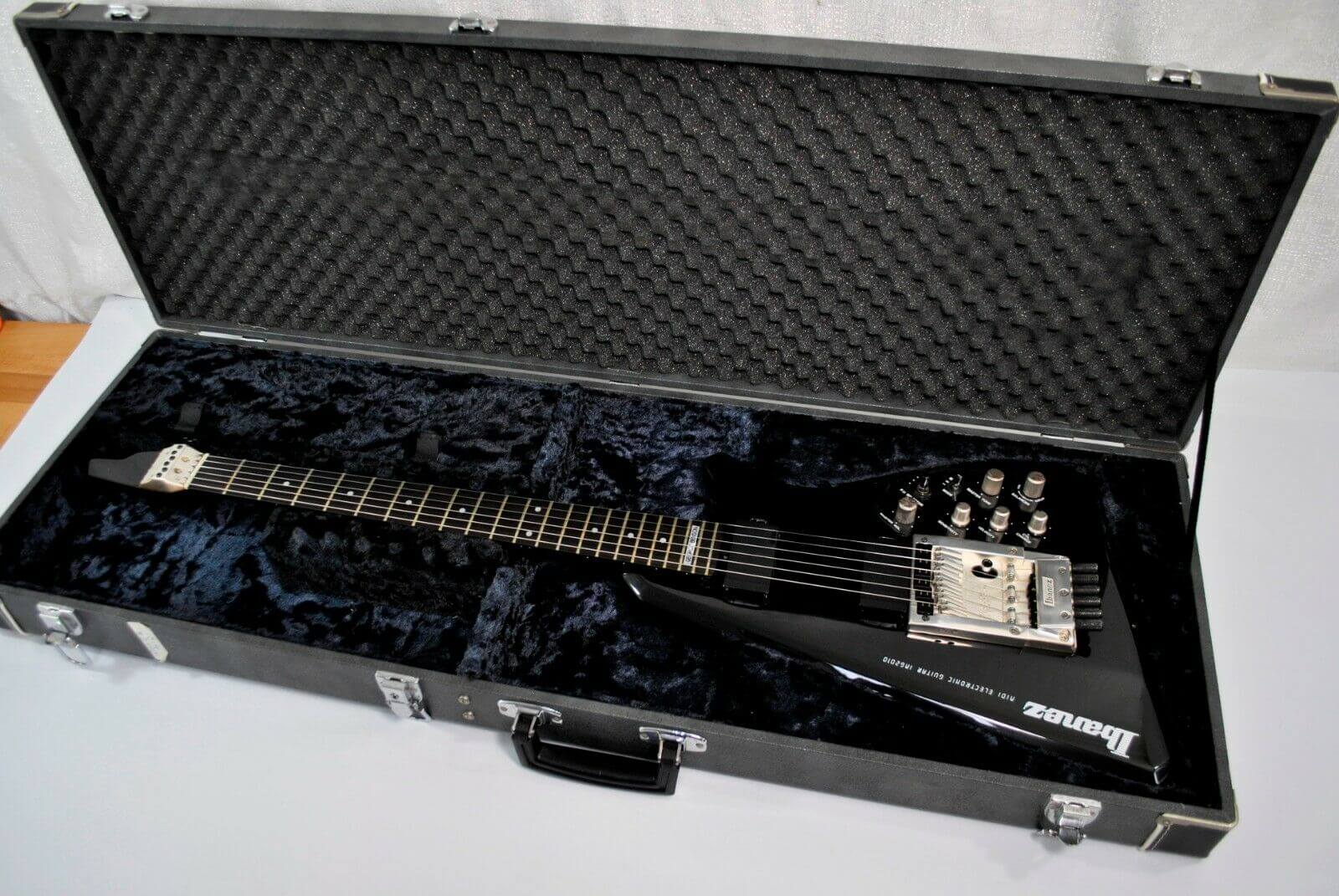
| Rare prototype/endorsee IMG2010 with silver/chrome hardware - Click on any image for larger view. |
||
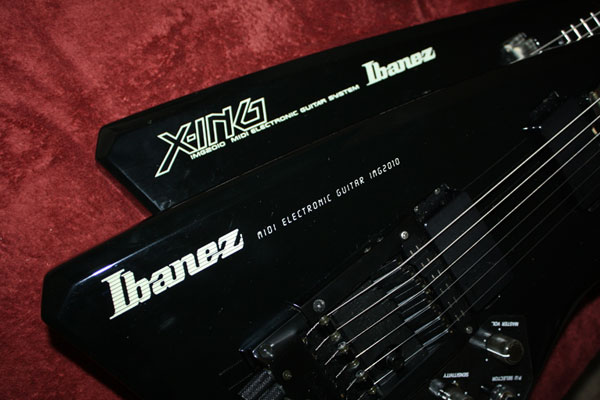
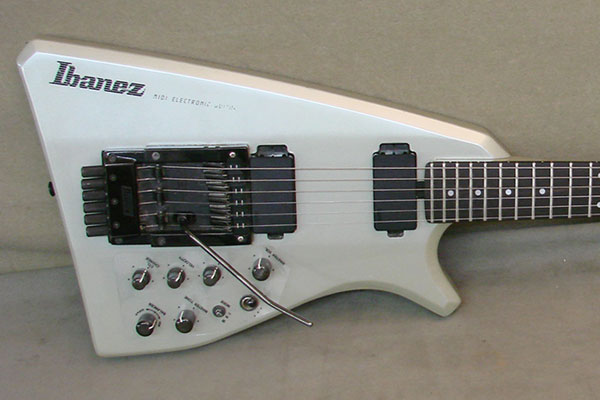
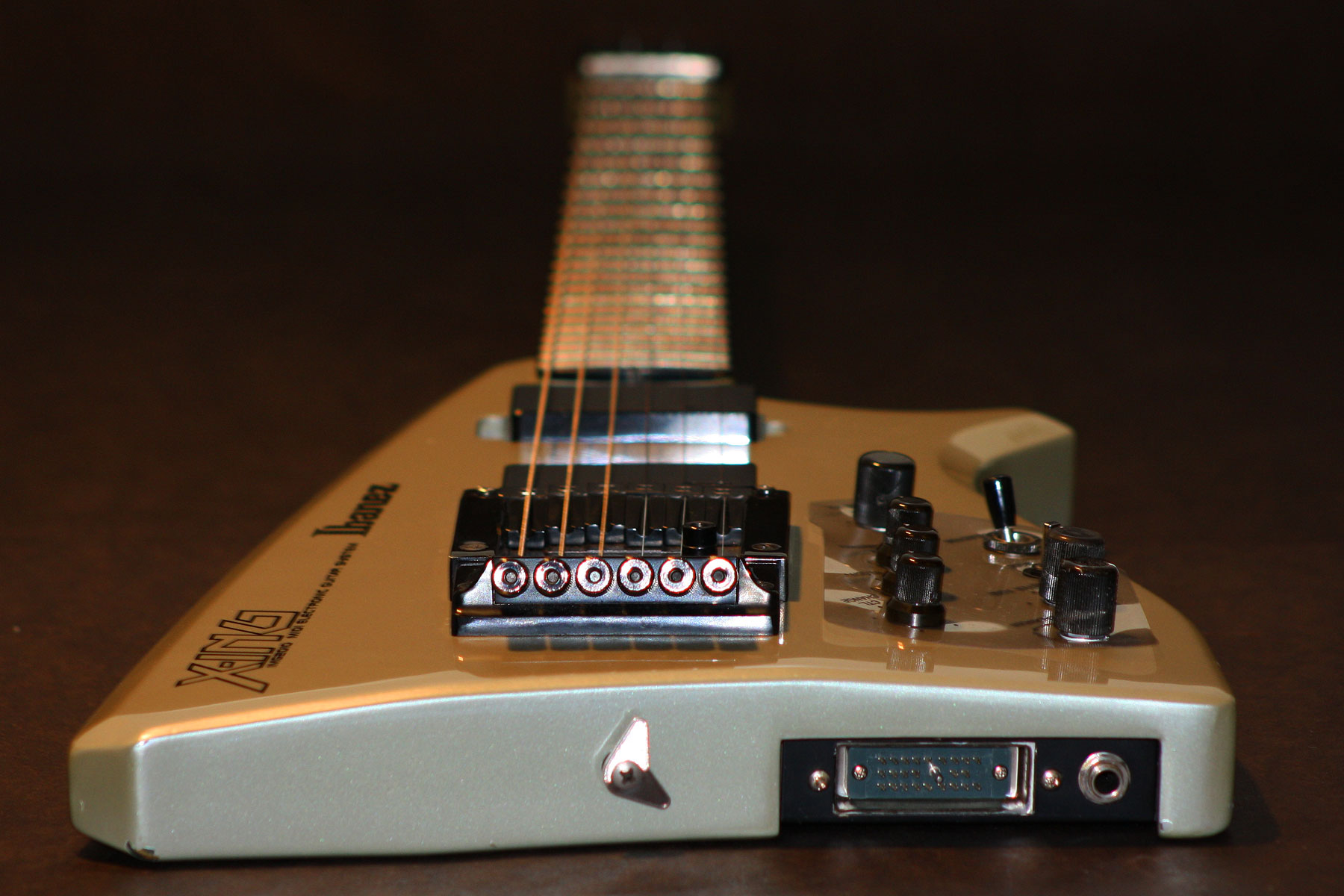
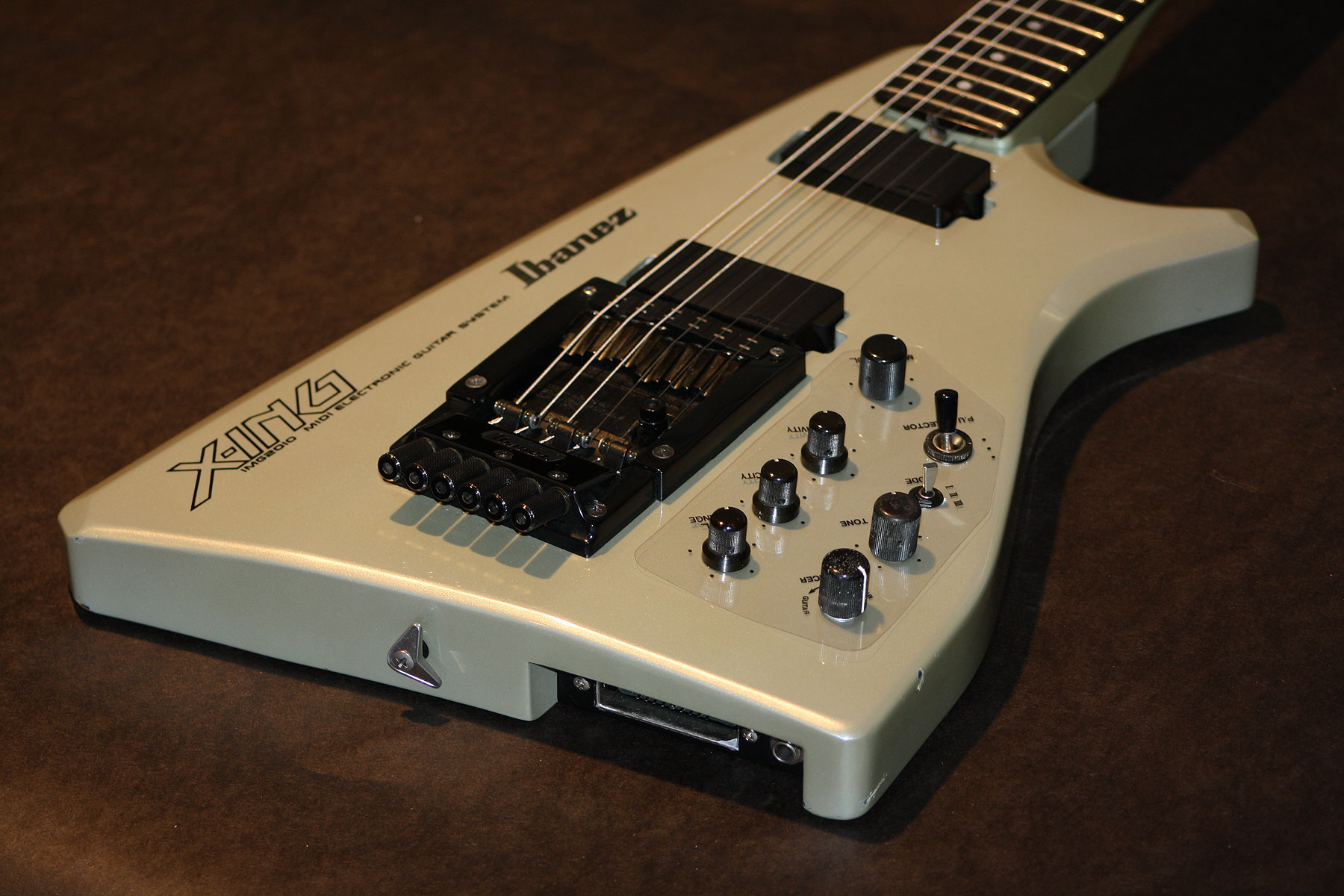
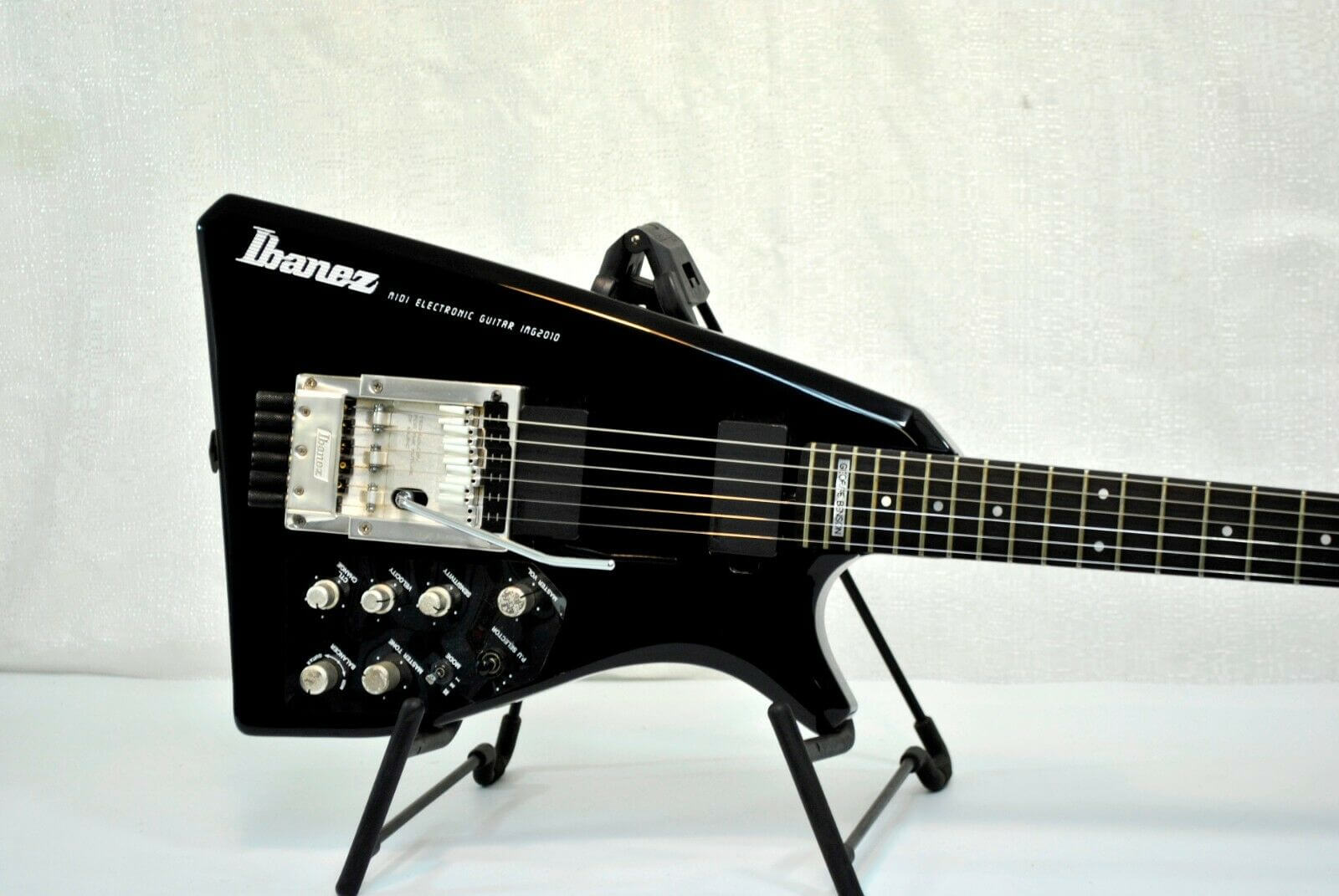
Prototype: It appears that a few Black IMG2010s with silver/chrome hardware were shipped to select endorsees and to regional Ibanez reps. I received an email from Laurence Juber, former guitarist for Wings, who confirmed that he has received one of these prototype IMG2010s from Ibanez with the unusual hardware. These guitars can also be see in some of the print advertisements for the IMG2010. Julien Bareil alerted me to the listing of the 'George Benson' guitar on ebay. Check out the photos below.
 |
 |
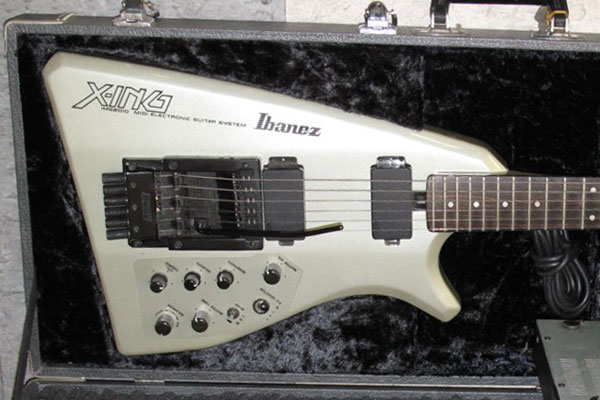 |
| Logo variations on the IMG2010 - Click on any image for larger view. |
||
Ibanez/X-ING Logo (Guitar): I have also seen a few IMG2010s, both in black and silver, that have the Ibanez logo featured prominently, and do not include the "X-ING" name on the guitar. I have not kept track of these serial numbers, so I'm not sure if this variation occured early or later in the production run, but the prototypes do include the "X-ING" name on the guitar.
 |
 |
 |
 |
| Logo variations on the IMG2010 - Click on any image for larger view. |
|||
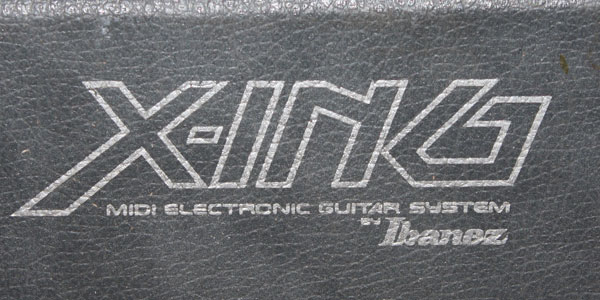
Ibanez/X-ING Logo (Case): There are some similar variations in the guitar cases as well! There are two types of IMG2010 cases: the 3 latch version with the "Ibanez" logo in the lower left hand corner, and the 4 latch version, which features the "X-ING" logo in the upper right hand corner.


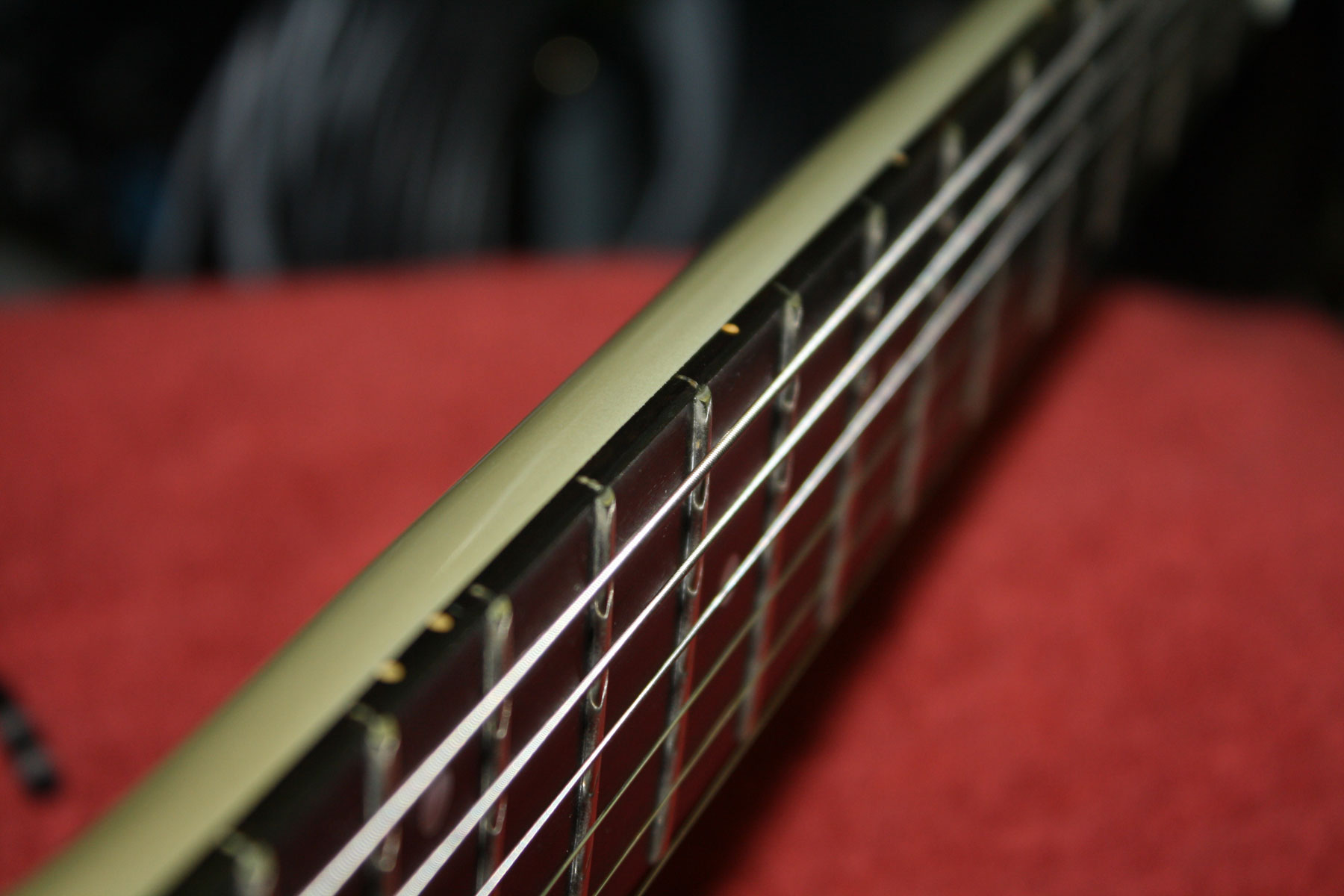
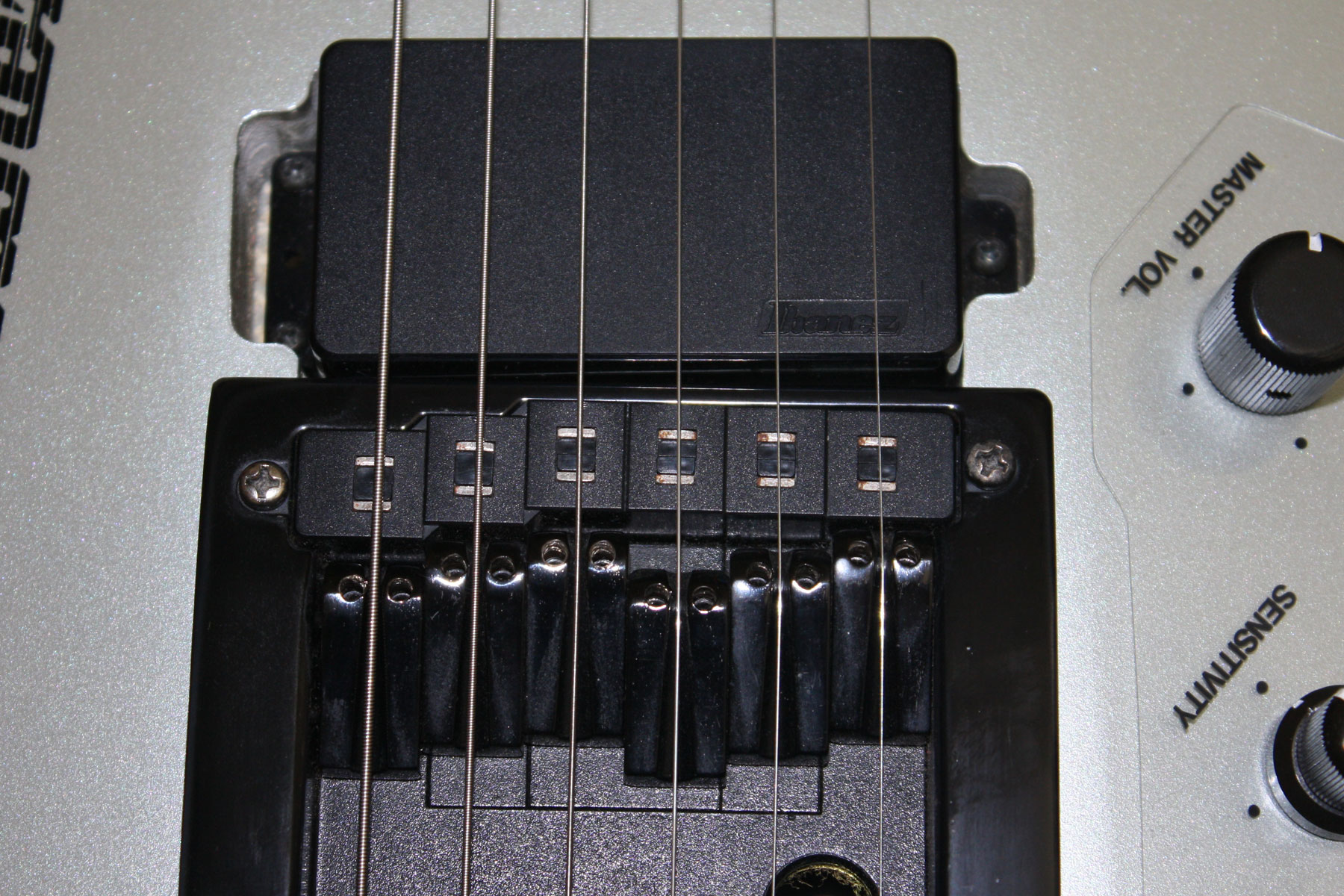
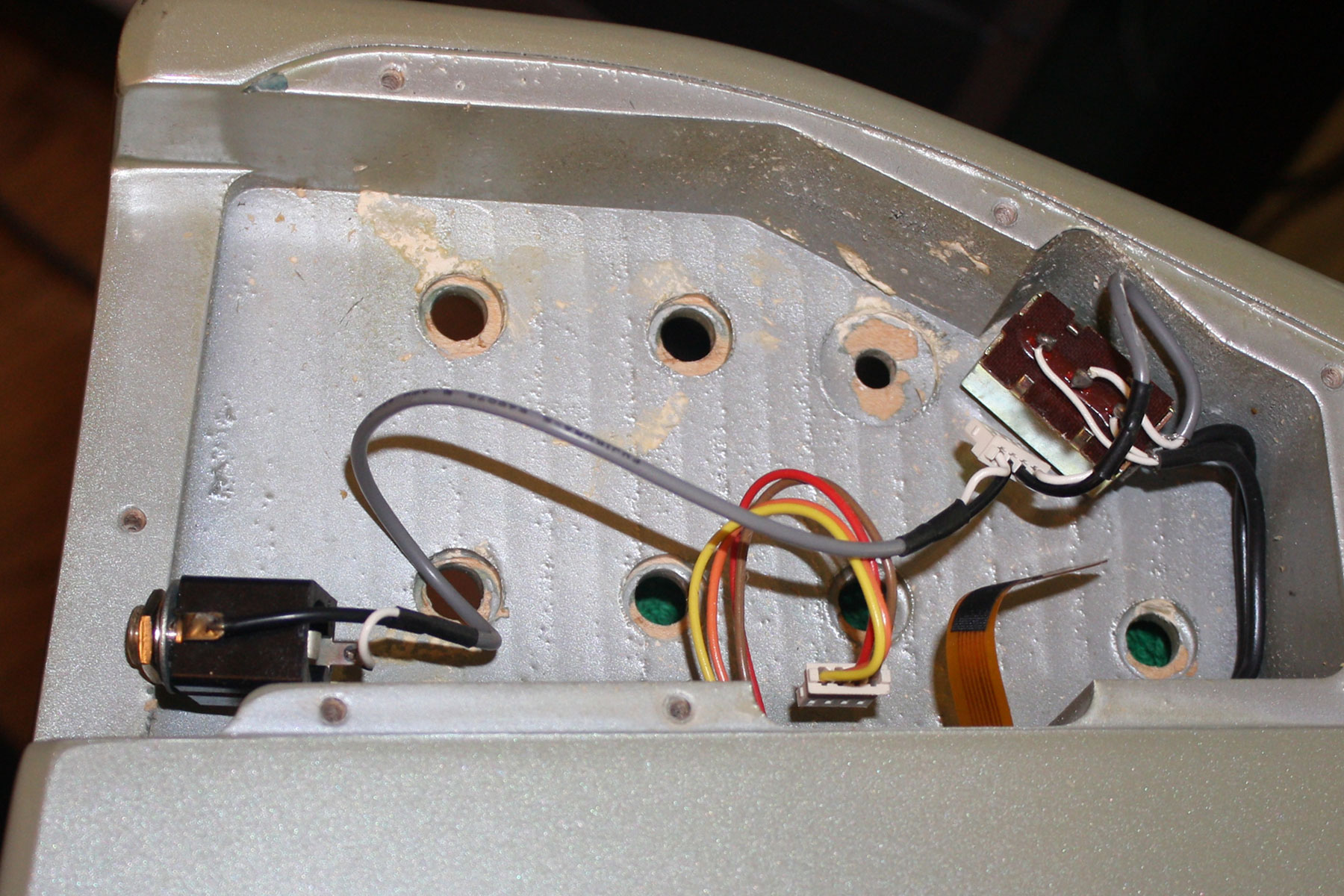
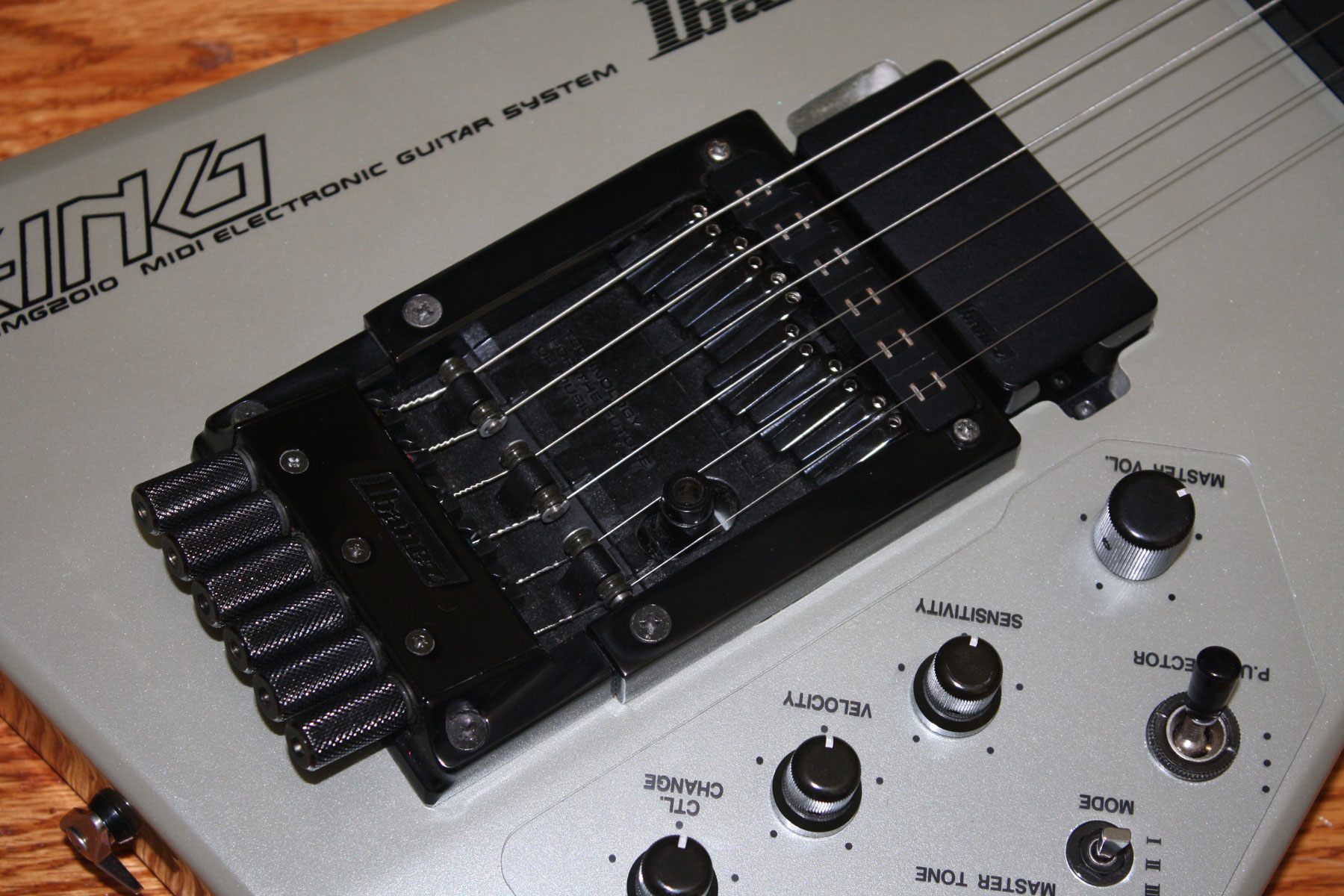

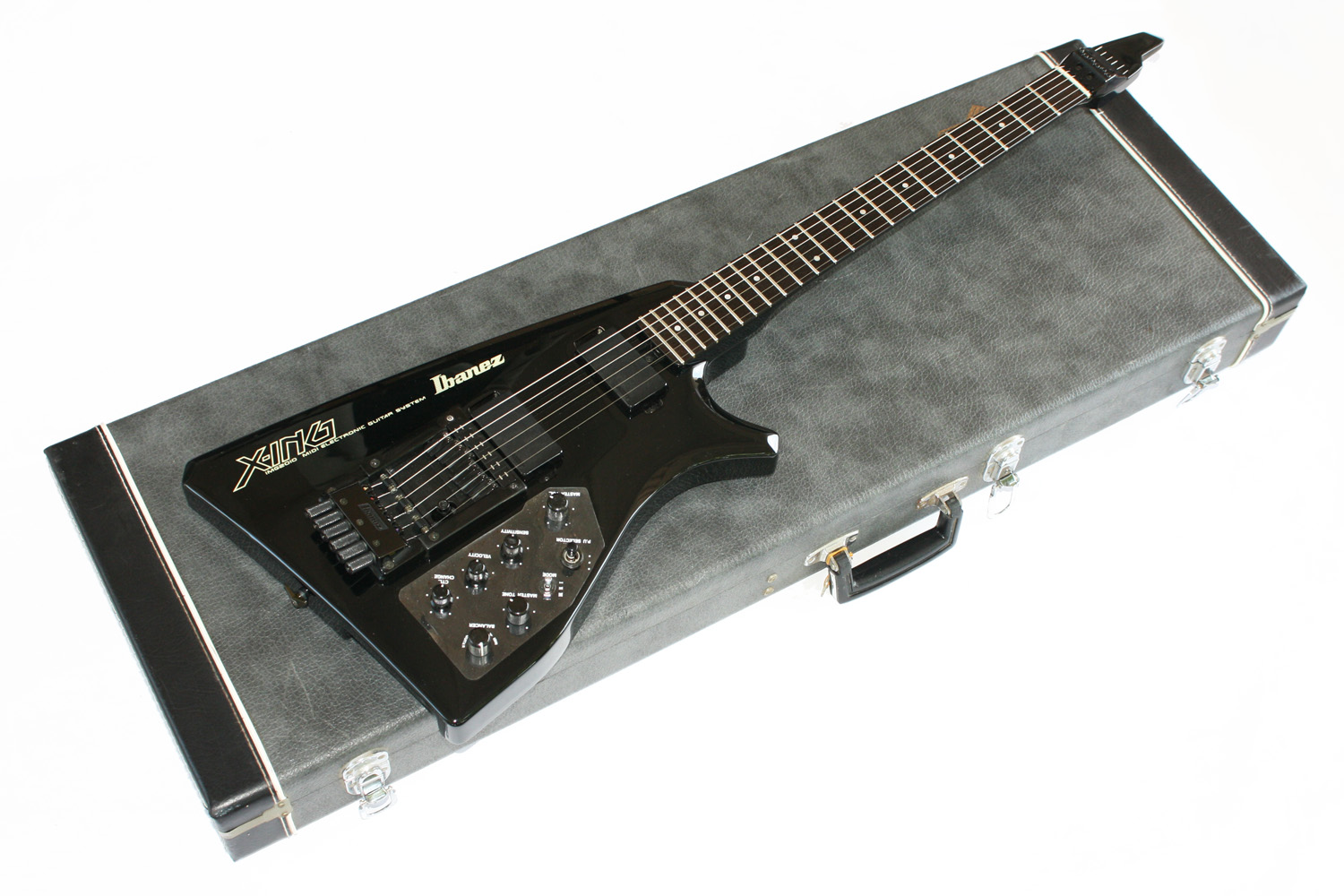
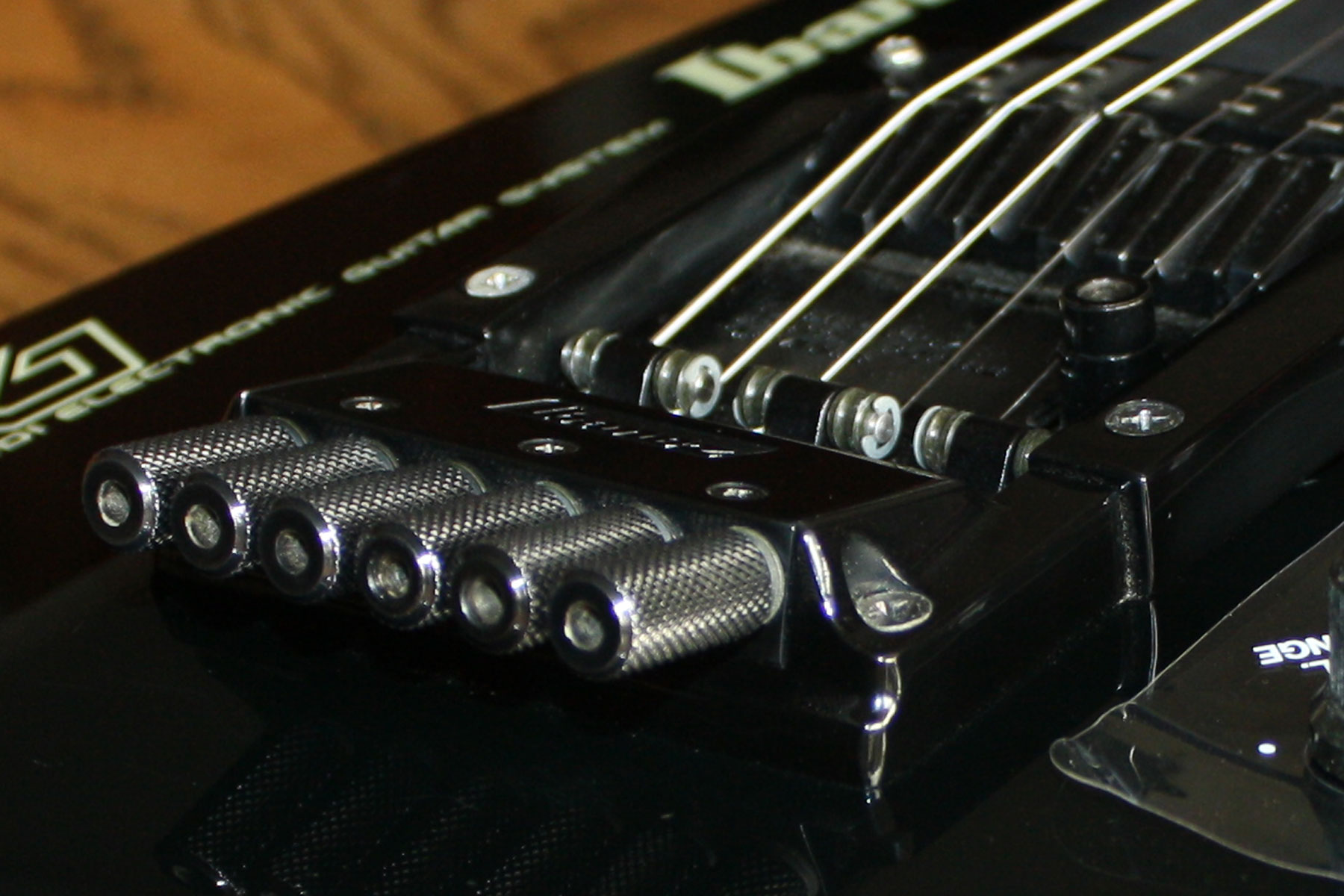
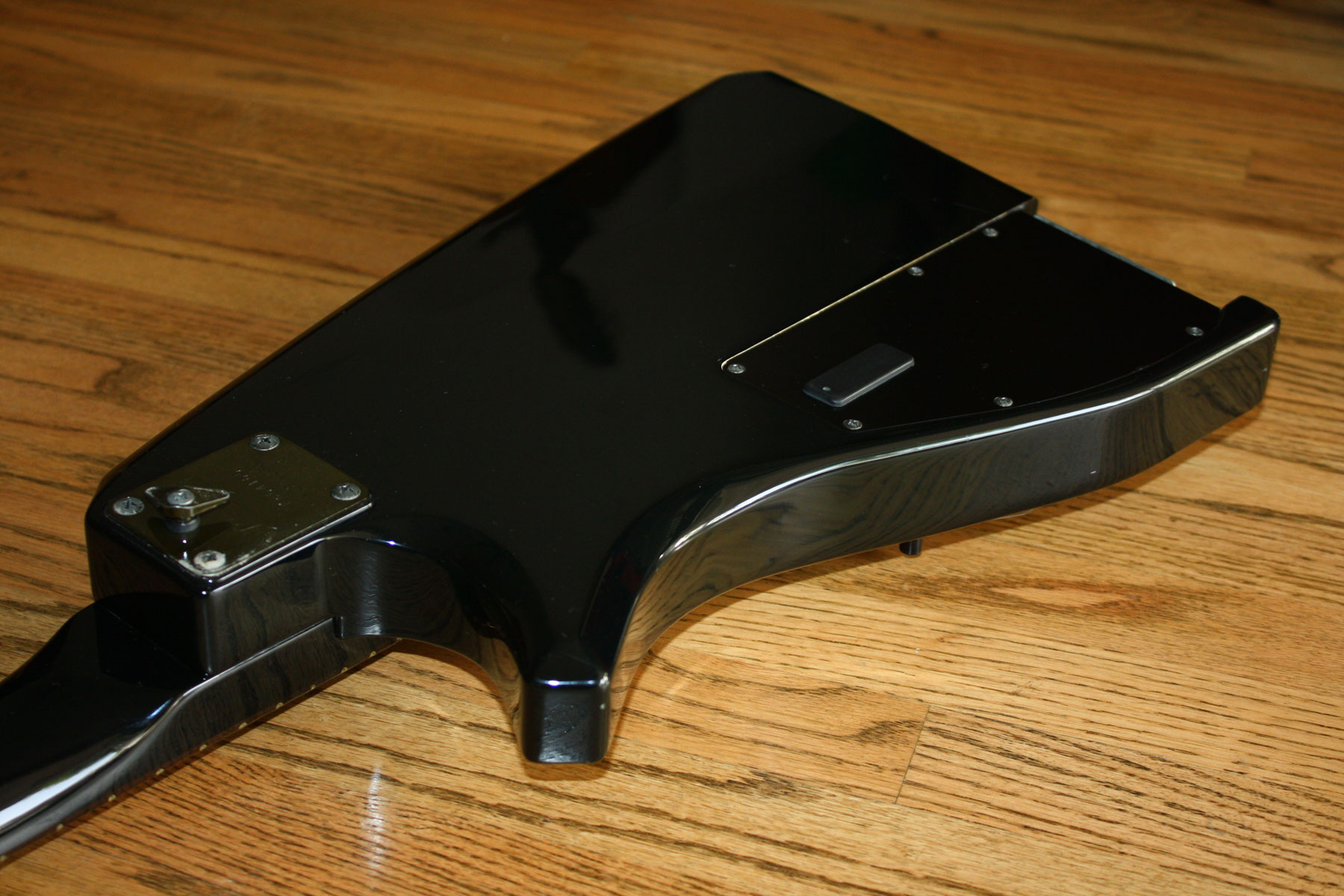
Modifications:
Replacing the Original Locking Nut:
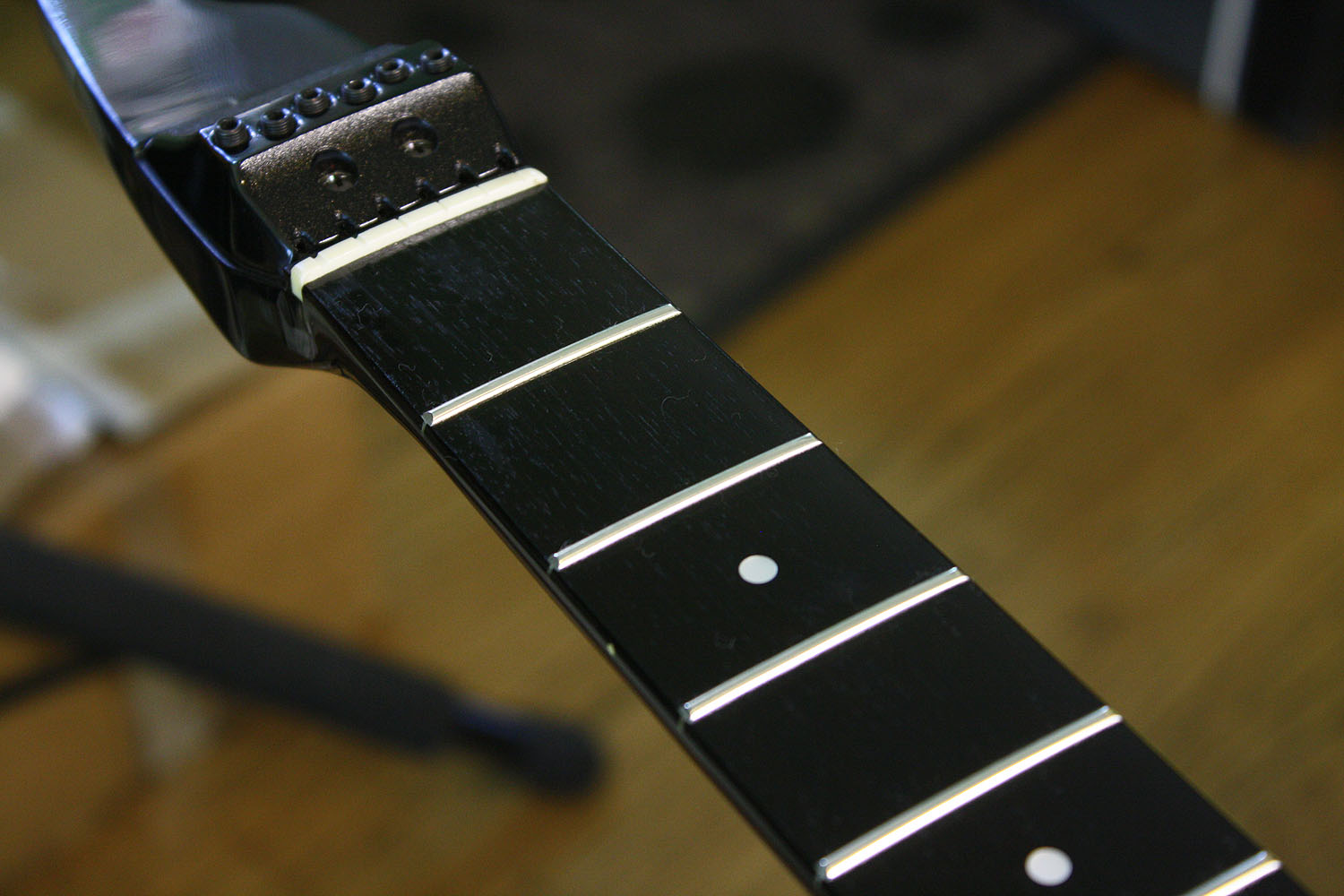
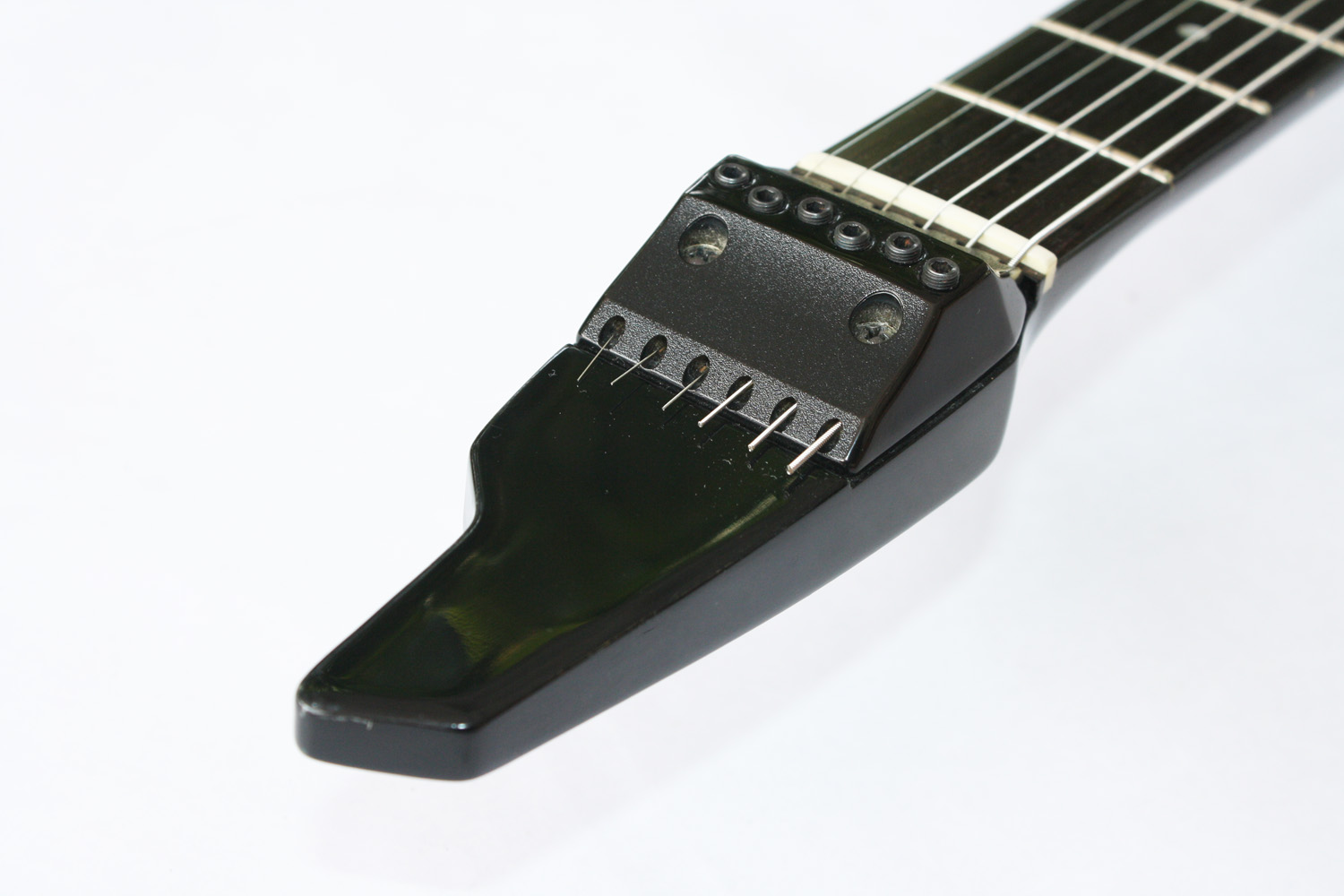
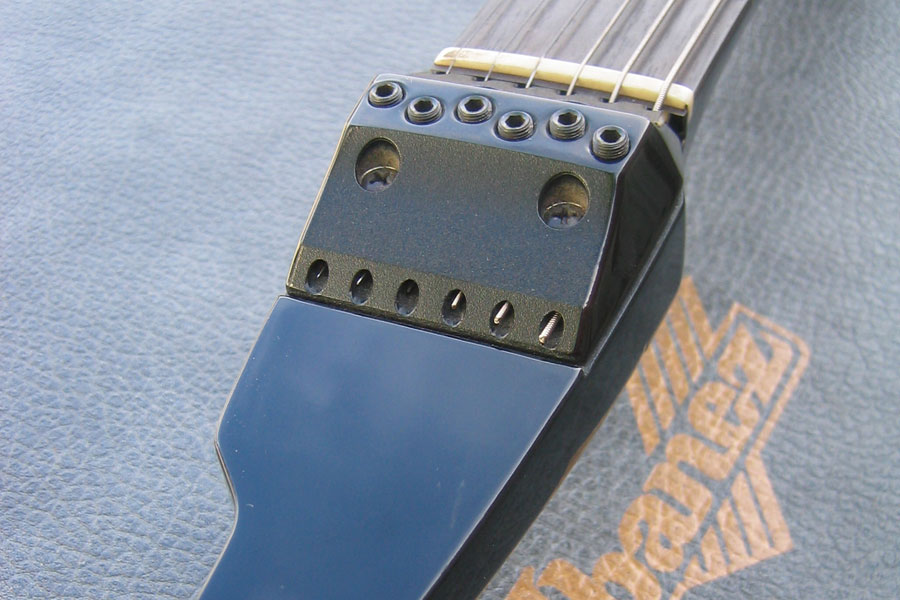
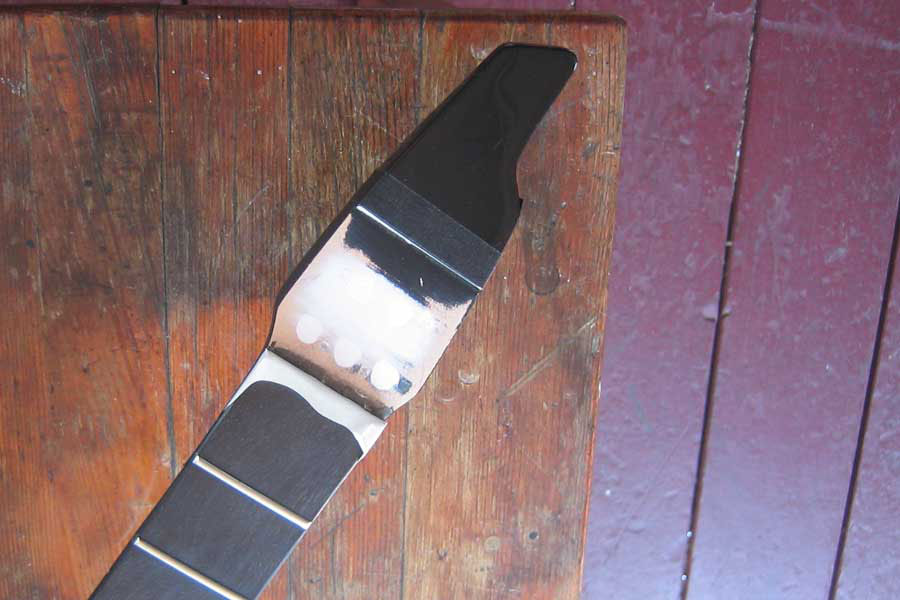
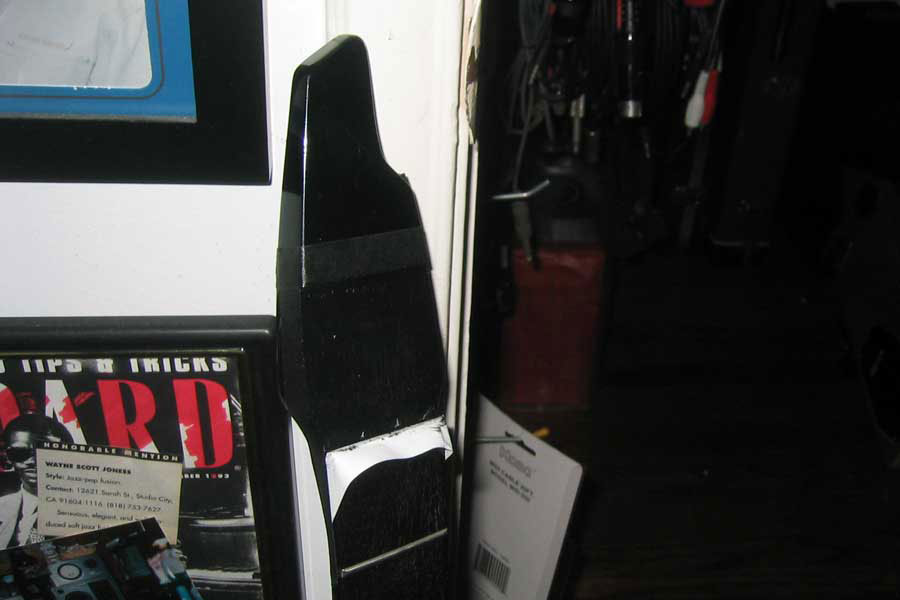
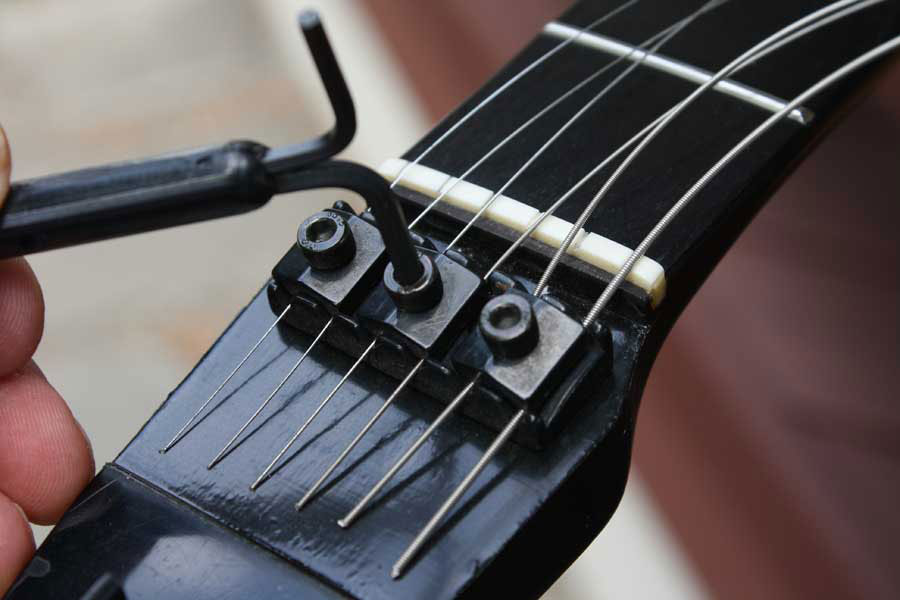
Having heaped so much praise on the IMG2010, I do find a flaw in the design of the locking nut. The original mechanism depended on the use of six, very small posts tightened by a 2 mm hex wrench to hold the strings in place at the nut. I have had 2 or 3 guitars where I could no longer sufficiently tighten the posts to hold the strings in place. I had a similar problem with a Schecter Strat I bought in 1985, so I fixed the problem the same way my luthier did in 1985: I replaced the original nut with a much robust Floyd Rose nut. The part used for this repair:
Floyd Rose Locking Nut, 42 mm, 1 5/8th, top mount.
As you can see in the photos below, I filled in the original holes, sanded and painted black the headstock, then installed the Floyd Rose nut. This worked really well for me, and I kept a Trem Tool attached to the headstock to make changing strings quick and easy.
|
|
|
|
| Replacing the original locking string mechanism - Click on any image for larger view. | |||
Replacing original 24-pin Connector with DB25 Connector (more info here):
Do-It-Yourself Ibanez/Roland 24 to DB25 ConnectorVintage Roland guitar synth players have been replacing the proprietary 24-pin connectors with the more common DB25 hardware for about as long as Roland has been making guitar synthesizers. This video clip shows how to replace the Roland/Ibanez connector with an industry standard DB25 connector. There is much for detailed information on the 24-pin to DB25 page, including the wiring documentation. |
Schematics - Repairs - Service Bulletins:
There are no known service bulletins from Ibanez addressing any IMG2010 problems.
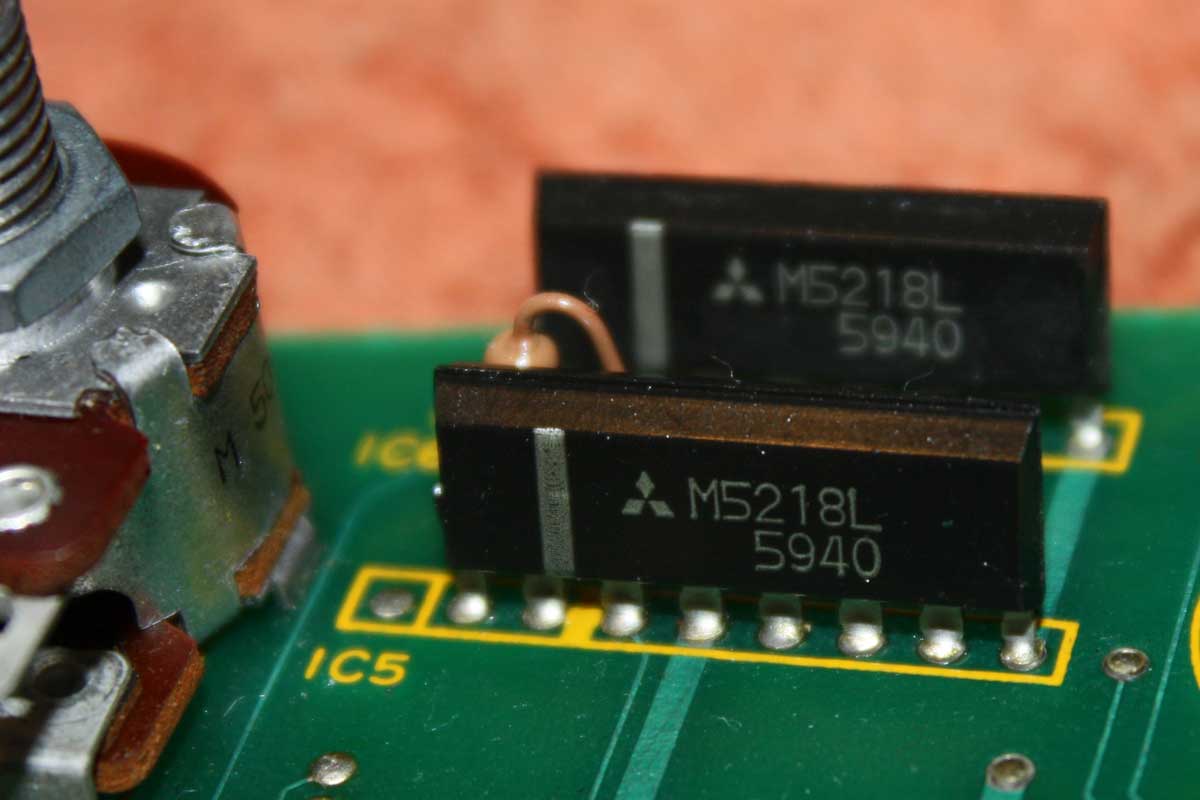
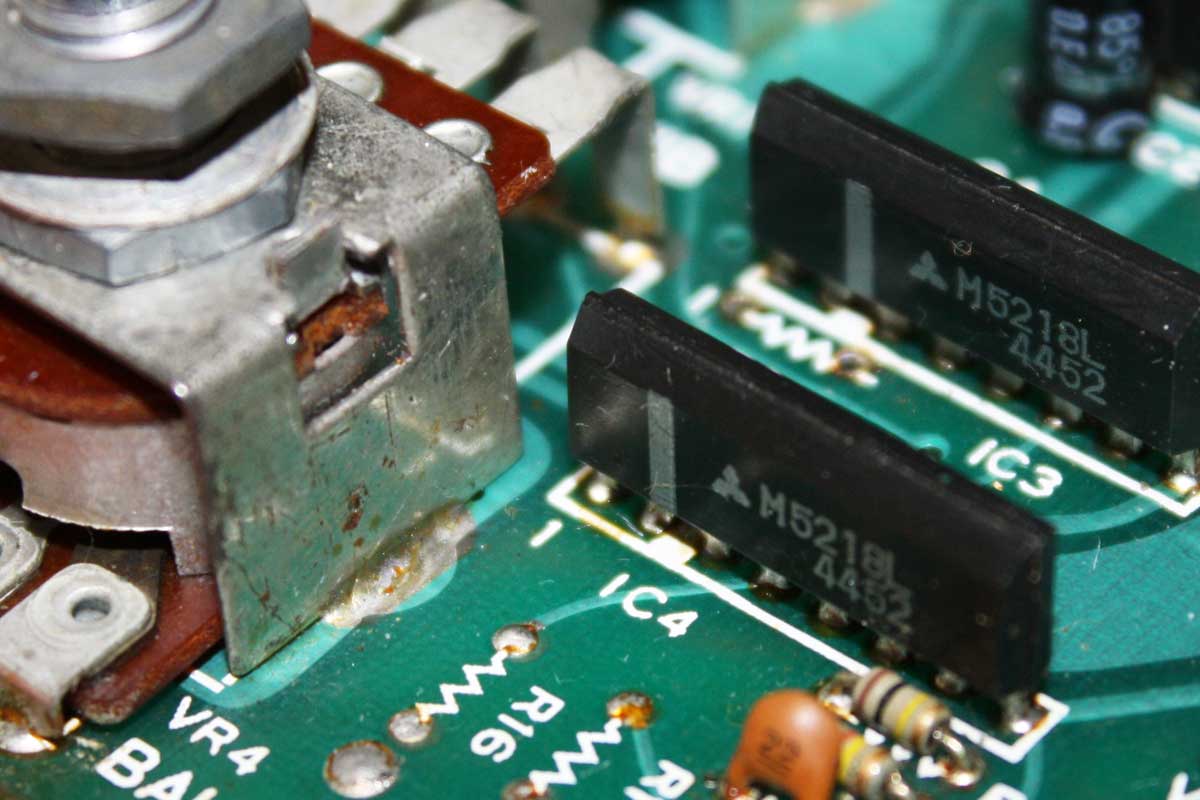
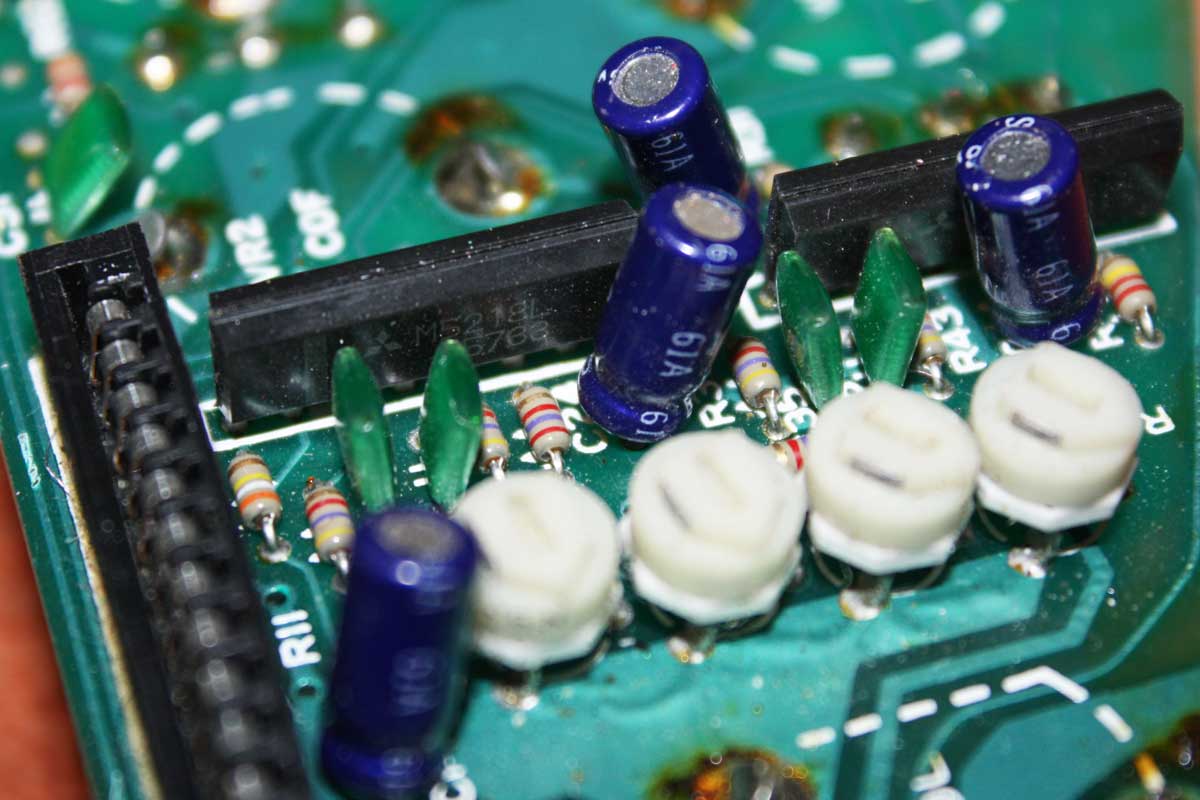
Repairs - IMG2010/G-707/G-77/Steinberger M5218 Opamp Failure
You suddenly notice that one string on your guitar synth system stops working. The first thing you want to do is try another cable! Cable failures are the most frequent GR-system problem. If you do not have a spare cable, try jiggling either end of the connector, though the problem is most likely to be the end that plugs into your guitar. If the sound comes and goes, then you need to fix your cable. If not, then you most likely have a problem with an opamp inside the guitar electronics. A more remote possibility is that you have a damaged pickup.
If you have a GR-700, an easy way to determine if you cable is working correctly is to press the EDIT foot pedal, followed by 4 and 8. This puts the GR-700 in tuning mode. Play each string on the GR-700, and you should see the display change for each string. The displays shows "1" for the high E string, "2" for the B string, down to "6" for the low E string. If the GR-700 responds to all six strings, then your cable is good, and most likely you have a failed 80017a chip.
Unless you have been moving the synth pickup around a lot, they usually do not fail on their own. Instead of a synth pickup failure, you possibly could have a problem with the electronics. Inside every GR guitar are a lot of small, integrated amplifiers called "opamps." These due tend to fail over time.
|
|
|
|---|---|---|
|
M5218 chips in Ibanez IMG2010
|
M5218 chips in Roland G-707
|
M5218 chips in Roland G-77
|
|
Click on image to enlarge
|
||
The Roland G-707, G-77, STK-1, Ibanez IMG2010, and the Steinberger 24-pin Roland guitars use M5218 opamps. Unlike the much more popular 4558 chips, the M5218 is difficult to find. I have been using a replacement chip, the NTE778S chip
More detailed information on opamp replacements in the Roland G-202/303/505/808 guitars available here.
Controls on the IMG2010 and the Roland G-Series Guitars:
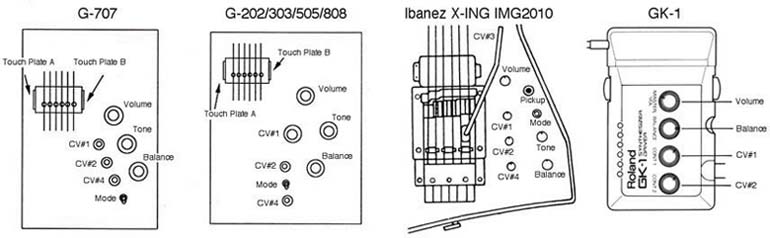
This diagram shows the controls on the Ibanez IMG2010 and various Roland guitars. Notice the layout is basically the same. Also, note the IMG2010 does not have touch plates to activate modulation. The vibrato (or modulation) knob, CV#4, is always active on the IMG2010.
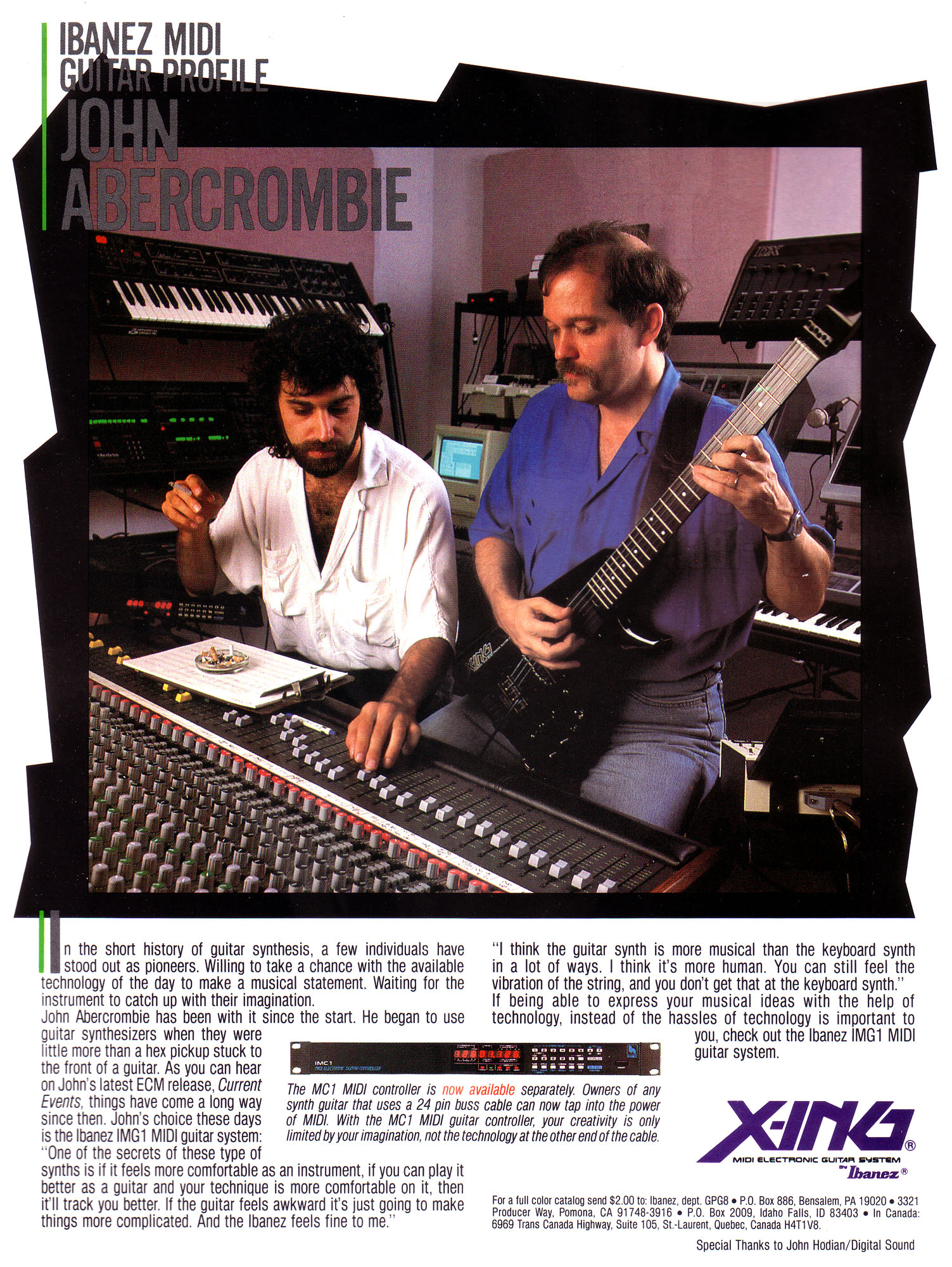



The IMG-2010 and the Axstar Guitars and Basses by Ibanez:
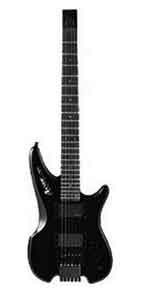 |
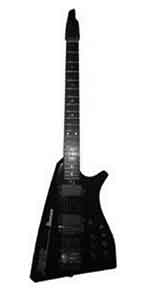 |
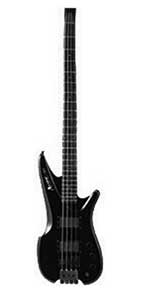 |
|
Ibanez AX70 Guitar |
Ibanez IMG-2010 |
Ibanez AX60 Bass Guitar |
The IMG-2010 seems to be a variation of the headless Axstar guitars produced by Ibanez in the mid-eighties. These guitars were designed to be affordable, cutting edge guitars that appealed to the "modern" musician. The headless design appears to have been inspired by the popular Steinberger guitars.
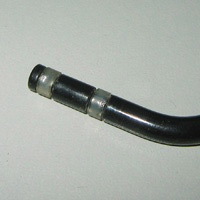
The Virtual Whammy Bar:
 |
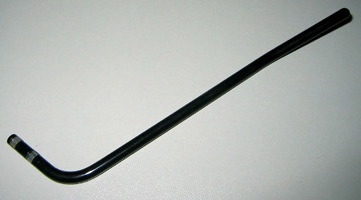 |
Virtual Whammy Bar Audio Demo
Audio Demonstration of the IMG-2010 used with the Roland VG-88. The virtual whammy bar is mapped to pitch bend on the VG-88. There is no real whammy bar, and the pitch of the strings is changed electronically in the VG-88:
*Solo by Wayne Scott Joness, music by Ricky Green and Wayne Scott Joness
The unique IMG2010 whammy bar is very hard to find or replace. As you can see, there are no threads in the whammy bar. I measured the diameter of the whammy bar as being around 5 mm. The original part number for the whammy bar is YM-05. The original part number for the nylon washer on the whammy bar is YM-06.
This link will take you to a high resolution scan of the whammy bar along with a ruler to help IMG2010 users who would like to fabricate their own whammy bar.
Replacement Whammy Bar: Ibanez 2ED2C1B
I picked up an IMG2010 without the original virtual whammy bar. I first tried the Ibanez 2LE21B, which looks quite a bit like the original whammy bar, but with a 6 mm diameter, it was clearly much too large. The solution was the Ibamez 2ED2C1B, which is much closer to the original, with a diameter around 5 mm. The 2ED2C1B still was just a bit too large. After some very cautious tests, I ended up using a 5.5 mm bit to ever-so-slightly enlarge the original whammy bar shaft on the guitar, and the new whammy bar works great!